

Ulnar nerve sulcus syndrome (elbow tingling)
Classification of the Ulnar Nerve Sulcus Syndrome
The syndrome is classified according to cause and severity:
- According to cause:
- Mechanical: Repeated pressure or trauma to the elbow.
- Anatomical: Narrow bone canal or structural changes.
- Systemic: Accompanying conditions in diseases such as diabetes or rheumatoid arthritis.
- According to severity:
- Mild: Temporary discomfort without permanent neurological deficits.
- Moderate: Frequent symptoms with initial motor limitations.
- Severe: Persistent pain, muscle weakness, and atrophy of the hand muscles.
Causes of ulnar nerve sulcus syndrome
The causes of the syndrome can be divided into mechanical, anatomical, and systemic factors:
- Mechanical causes:
- Repeated resting of the elbow on hard surfaces ("cell phone elbow").
- Hyperextension or injuries, e.g., from sports or accidents.
- Anatomical causes:
- Narrowing of the ulnar nerve groove due to bone growths or cysts.
- Subluxation of the ulnar nerve, where the nerve slips out of its guide.
- Systemic causes:
- Diabetes mellitus, which makes nerves more susceptible to compression.
- Rheumatic diseases or inflammatory processes.
Symptoms of ulnar nerve sulcus syndrome
The symptoms vary depending on the severity of the nerve compression and typically include:
- **Paresthesia:** Tingling or numbness in the last two fingers (ring finger and little finger).
- **Pain:** Tenderness at the elbow with possible radiations into the forearm or hand.
- **Weakness:** Reduced strength in the hand, especially when gripping or spreading the fingers.
- **Atrophy:** Shrinking of the small hand muscles in advanced disease.
- **Worsening with strain:** Intensification of symptoms with prolonged bending of the elbow, e.g., when talking on the phone or sleeping.
Diagnosis of ulnar nerve sulcus syndrome
The diagnosis is based on medical history, clinical examinations, and electrophysiological tests:
- Medical History:
- Collection of symptoms, stress patterns, and possible injuries.
- Physical Examination:
- Palpation of the elbow for tenderness and subluxation of the nerve.
- Provocation tests such as the Tinel test or the elbow flexion test.
- Electrophysiological Examinations:
- Nerve Conduction Velocity (NCV): Detection of slowdowns in the area of the ulnar sulcus.
- EMG (Electromyography): Assessment of the function of the affected muscles.
- Imaging:
- Ultrasound: Visualization of the nerve and possible anatomical constrictions.
- MRI: For the assessment of soft tissues and structural changes.
Treatment options for ulnar nerve sulcus syndrome
Conservative Therapy
In mild to moderate cases, conservative treatment is initially applied:
- Relief of the nerve:
- Avoiding pressure on the elbow, e.g., through padding or avoiding certain movements.
- Orthoses: Use of elbow splints for immobilization, especially at night.
- Physiotherapy:
- Exercises to improve mobility and relieve the nerve.
- Strengthening the muscles to stabilize the elbow.
- Medication therapy:
- NSAIDs: For pain relief and anti-inflammatory effects.
- Local injections of corticosteroids for persistent symptoms.
Surgical Therapy
In severe cases or lack of improvement after conservative therapy, surgery is recommended:
- Decompression: Removal of tissue or bone growths that constrict the nerve.
- Nerve transposition: Relocation of the nerve from the sulcus nervi ulnaris to a less stressed position.
- Post-treatment: Physiotherapy to restore mobility and function.
Preventive measures for ulnar nerve sulcus syndrome
To prevent ulnar nerve sulcus syndrome and reduce the risk of recurrence, the following measures are suitable:
- Ergonomic posture: Avoid prolonged leaning on the elbow.
- Movement breaks: Regularly interrupt unilateral strains.
- Protection of the elbow: Use pads or protectors during strenuous activities.
- Correct movement behavior: Avoid excessive elbow bending for extended periods.
- Early detection: Seek medical advice early at the first symptoms to prevent worsening.

Tennis elbow (lateral epicondylitis)
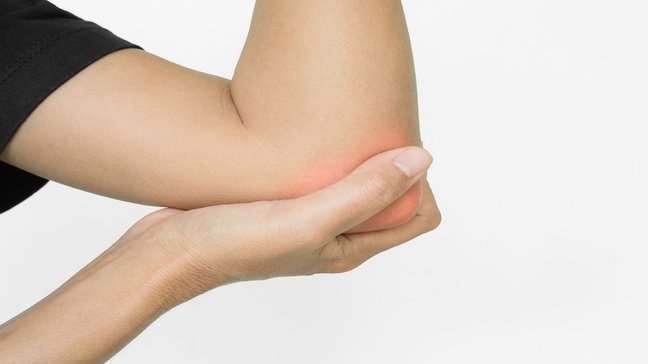
Tennis elbow, medically referred to as lateral epicondylitis, is a common condition where the tendon attachments of the forearm extensor muscles at the lateral (outer) epicondyle of the upper arm are inflamed or irritated. The condition often occurs…
Bursitis (Olecranon bursitis)
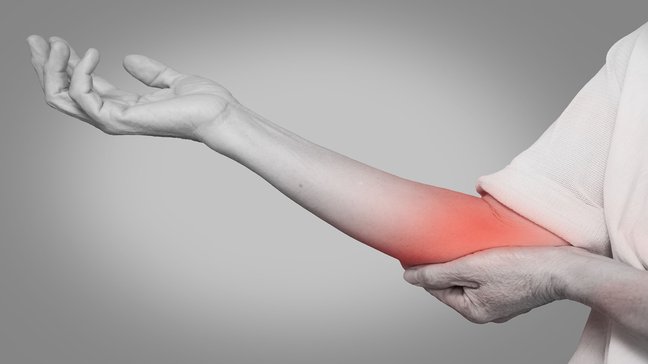
Olecranon bursitis, also known as elbow bursitis, is a common condition in which the bursa (bursa olecrani) becomes inflamed. This bursa is located on the back of the elbow and serves as a cushion between the skin and the bony olecranon. The…
Rupture of the ulnar collateral ligament (UCL rupture)
A rupture of the ulnar collateral ligament (UCL rupture) is an injury to the ligament that connects the humerus (upper arm bone) to the ulna (forearm bone) in the area of the elbow joint. The UCL is crucial for the stability of the elbow, especially…

Distal biceps tendon rupture
A rupture of the distal biceps tendon refers to the complete or partial severing of the tendon that connects the biceps muscle to the radial bone in the elbow area. This injury often occurs in middle-aged men and is usually caused by a sudden…
Ulnar nerve sulcus syndrome (elbow tingling)
Classification of the Ulnar Nerve Sulcus Syndrome
The syndrome is classified according to cause and severity:
- According to cause:
- Mechanical: Repeated pressure or trauma to the elbow.
- Anatomical: Narrow bone canal or structural changes.
- Systemic: Accompanying conditions in diseases such as diabetes or rheumatoid arthritis.
- According to severity:
- Mild: Temporary discomfort without permanent neurological deficits.
- Moderate: Frequent symptoms with initial motor limitations.
- Severe: Persistent pain, muscle weakness, and atrophy of the hand muscles.
Causes of ulnar nerve sulcus syndrome
The causes of the syndrome can be divided into mechanical, anatomical, and systemic factors:
- Mechanical causes:
- Repeated resting of the elbow on hard surfaces ("cell phone elbow").
- Hyperextension or injuries, e.g., from sports or accidents.
- Anatomical causes:
- Narrowing of the ulnar nerve groove due to bone growths or cysts.
- Subluxation of the ulnar nerve, where the nerve slips out of its guide.
- Systemic causes:
- Diabetes mellitus, which makes nerves more susceptible to compression.
- Rheumatic diseases or inflammatory processes.
Symptoms of ulnar nerve sulcus syndrome
The symptoms vary depending on the severity of the nerve compression and typically include:
- **Paresthesia:** Tingling or numbness in the last two fingers (ring finger and little finger).
- **Pain:** Tenderness at the elbow with possible radiations into the forearm or hand.
- **Weakness:** Reduced strength in the hand, especially when gripping or spreading the fingers.
- **Atrophy:** Shrinking of the small hand muscles in advanced disease.
- **Worsening with strain:** Intensification of symptoms with prolonged bending of the elbow, e.g., when talking on the phone or sleeping.
Diagnosis of ulnar nerve sulcus syndrome
The diagnosis is based on medical history, clinical examinations, and electrophysiological tests:
- Medical History:
- Collection of symptoms, stress patterns, and possible injuries.
- Physical Examination:
- Palpation of the elbow for tenderness and subluxation of the nerve.
- Provocation tests such as the Tinel test or the elbow flexion test.
- Electrophysiological Examinations:
- Nerve Conduction Velocity (NCV): Detection of slowdowns in the area of the ulnar sulcus.
- EMG (Electromyography): Assessment of the function of the affected muscles.
- Imaging:
- Ultrasound: Visualization of the nerve and possible anatomical constrictions.
- MRI: For the assessment of soft tissues and structural changes.
Treatment options for ulnar nerve sulcus syndrome
Conservative Therapy
In mild to moderate cases, conservative treatment is initially applied:
- Relief of the nerve:
- Avoiding pressure on the elbow, e.g., through padding or avoiding certain movements.
- Orthoses: Use of elbow splints for immobilization, especially at night.
- Physiotherapy:
- Exercises to improve mobility and relieve the nerve.
- Strengthening the muscles to stabilize the elbow.
- Medication therapy:
- NSAIDs: For pain relief and anti-inflammatory effects.
- Local injections of corticosteroids for persistent symptoms.
Surgical Therapy
In severe cases or lack of improvement after conservative therapy, surgery is recommended:
- Decompression: Removal of tissue or bone growths that constrict the nerve.
- Nerve transposition: Relocation of the nerve from the sulcus nervi ulnaris to a less stressed position.
- Post-treatment: Physiotherapy to restore mobility and function.
Preventive measures for ulnar nerve sulcus syndrome
To prevent ulnar nerve sulcus syndrome and reduce the risk of recurrence, the following measures are suitable:
- Ergonomic posture: Avoid prolonged leaning on the elbow.
- Movement breaks: Regularly interrupt unilateral strains.
- Protection of the elbow: Use pads or protectors during strenuous activities.
- Correct movement behavior: Avoid excessive elbow bending for extended periods.
- Early detection: Seek medical advice early at the first symptoms to prevent worsening.
Tennis elbow (lateral epicondylitis)
Tennis elbow, medically referred to as lateral epicondylitis, is a common condition where the tendon attachments of the forearm extensor muscles at the lateral (outer) epicondyle of the upper arm are inflamed or irritated. The condition often occurs…
Bursitis (Olecranon bursitis)
Olecranon bursitis, also known as elbow bursitis, is a common condition in which the bursa (bursa olecrani) becomes inflamed. This bursa is located on the back of the elbow and serves as a cushion between the skin and the bony olecranon. The…
Rupture of the ulnar collateral ligament (UCL rupture)
A rupture of the ulnar collateral ligament (UCL rupture) is an injury to the ligament that connects the humerus (upper arm bone) to the ulna (forearm bone) in the area of the elbow joint. The UCL is crucial for the stability of the elbow, especially…
Distal biceps tendon rupture
A rupture of the distal biceps tendon refers to the complete or partial severing of the tendon that connects the biceps muscle to the radial bone in the elbow area. This injury often occurs in middle-aged men and is usually caused by a sudden…