

Tarsal tunnel syndrome
Classification of Tarsal Tunnel Syndrome
Tarsal tunnel syndrome is classified according to cause and severity:
- By cause:
- Mechanical: Due to overuse, foot deformities, or scar formation.
- Traumatic: After fractures, dislocations, or other injuries in the ankle area.
- Systemic: In diseases such as diabetes, rheumatism, or gout.
- Space-occupying: Due to tumors, ganglia, or cysts in the tarsal tunnel.
- By severity:
- Mild: Intermittent symptoms that are alleviated by rest periods.
- Moderate: Frequent symptoms with beginning motor limitations.
- Severe: Persistent pain, numbness, and weakness of the foot muscles.
- By location:
- Anterior tarsal tunnel syndrome
- Affects the N. fibularis profundus (deep fibular nerve).
- Cause: Pressure or irritation in the area of the extensor retinaculum on the dorsum of the foot (e.g., due to tight shoes, swelling, injuries).
- Symptoms: Burning pain and numbness in the area of the toe spaces (especially between the 1st and 2nd toe).
-
Posterior tarsal tunnel syndrome
- Affects the N. tibialis in the tarsal tunnel (behind the medial malleolus).
- Cause: Narrowing due to swelling, inflammation, varicose veins, scar formation, or deformities (e.g., flatfoot).
- Symptoms: Pain, tingling, and numbness on the sole of the foot and toes, often worsened when walking or after exertion.
Causes of Tarsal Tunnel Syndrome
The causes of tarsal tunnel syndrome can be mechanical, systemic, or traumatic:
- Mechanical causes:
- Foot deformities such as flatfoot or high arch, which increase pressure in the tarsal tunnel.
- Scar tissue or thickening of ligaments that constrict the nerve.
- Repeated stress from sports activities or standing work.
- Traumatic causes:
- Fractures or dislocations in the ankle area that narrow the tarsal tunnel.
- Systemic causes:
- Diabetes mellitus, which increases nerve sensitivity and delays healing.
- Rheumatoid arthritis or gout, which can lead to inflammation in the tarsal tunnel.
- Space-occupying processes:
- Ganglia, tumors, or vascular anomalies that exert pressure on the tibial nerve.
Symptoms of tarsal tunnel syndrome
The symptoms depend on the severity of the compression and include:
- **Pain:** Burning or stabbing pain on the inside of the ankle or the arch of the foot, often radiating to the toes.
- **Paresthesia:** Tingling, numbness, or a feeling of "pins and needles" in the foot.
- **Weakness:** Reduced strength in the foot muscles, especially during prolonged walking or standing.
- **Swelling:** Visible or palpable swelling in the area of the tarsal tunnel during inflammatory processes.
- **Worsening with exertion:** Symptoms worsen with activity and improve at rest.
Diagnosis of Tarsal Tunnel Syndrome
The diagnosis is made through medical history, clinical examination, and imaging techniques:
- Medical history:
- Collection of symptoms, stress patterns, and possible injuries or underlying diseases.
- Physical examination:
- Palpation of the tarsal tunnel for tenderness.
- Provocation tests such as the Tinel test, where tapping on the tarsal tunnel triggers symptoms.
- Imaging:
- Ultrasound: Visualization of thickenings or masses in the tarsal tunnel.
- MRI: For assessing soft tissues, ligaments, and nerves.
- X-ray: To rule out bony changes or fractures.
- Electrophysiological studies:
- Measurement of nerve conduction velocity (NCV) to demonstrate slowing due to compression.
Treatment options for tarsal tunnel syndrome
Conservative Therapy
Treatment usually begins with conservative measures:
- Relief of the nerve:
- Avoidance of strains or movements that exacerbate the symptoms.
- Use of insoles or orthopedic shoes to correct misalignments.
- Physiotherapy:
- Mobilization exercises to improve mobility.
- Stretching exercises for the surrounding muscles.
- Medication therapy:
- NSAIDs: For pain relief and anti-inflammatory effects.
- Local injections of corticosteroids to reduce inflammation.
- Cold therapy: To alleviate swelling and pain in acute conditions.
Surgical Therapy
If conservative measures are not sufficient, surgery may be necessary:
- Decompression: Exposure and relief of the tibial nerve by removing tissue or space-occupying lesions.
- Reconstruction: Treatment of structural problems such as ligament thickening or bone misalignments.
- Post-treatment: Physiotherapy to restore mobility and function.
Preventive measures for tarsal tunnel syndrome
To prevent and reduce the risk of recurrence, the following measures are suitable:
- Ergonomic footwear: Use of well-fitting shoes with sufficient cushioning and support.
- Correction of misalignments: Use of orthopedic aids to relieve the tarsal tunnel.
- Regular exercise: Promotion of blood circulation and flexibility through moderate physical activity.
- Avoidance of overstrain: Adjusted loads and breaks during sports activities or standing tasks.
- Early detection: Early medical examination at the first symptoms to prevent worsening.
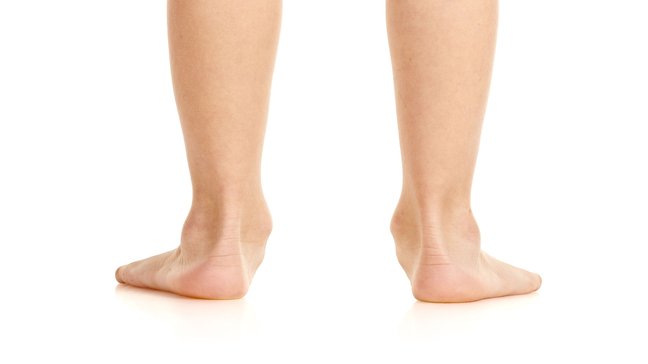
Knick-sink-foot
The flat-valgus foot (pes planovalgus) is a common foot deformity in which the longitudinal arch of the foot is flattened (flatfoot), and the heel tilts inward (valgus foot). This deformity can occur in both children and adults. While it is often…
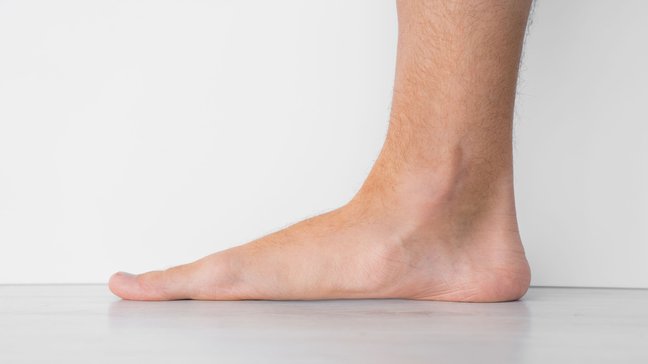
Flatfoot (Pes Planus)
A flatfoot, medically referred to as pes planus, is a foot deformity where the arch of the foot is flattened or completely absent. This condition can be congenital or acquired and often occurs in both children and adults. While mild forms often…

Tarsal arthritis
Tarsal arthritis, also known as osteoarthritis in the area of the tarsal bones, is a degenerative joint disease that affects the tarsal region. It often occurs in older people but can also be caused by injuries or misalignments. The disease leads to…
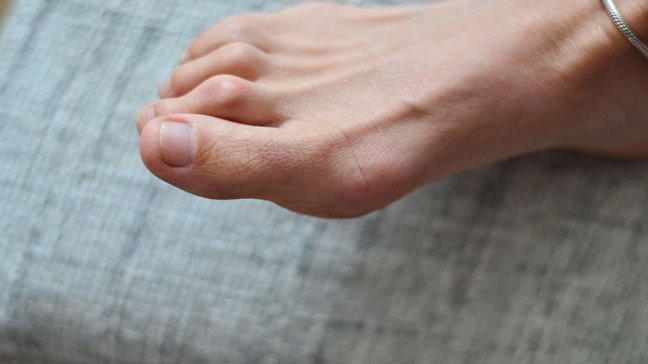
Hammer toes
Hammer toes are a common deformity of the toes, where the middle joint of the affected toe is bent upwards while the end joint points downwards. This deformity leads to a characteristic claw-like shape, which can cause pain, pressure points, and…
Tarsal tunnel syndrome
Classification of Tarsal Tunnel Syndrome
Tarsal tunnel syndrome is classified according to cause and severity:
- By cause:
- Mechanical: Due to overuse, foot deformities, or scar formation.
- Traumatic: After fractures, dislocations, or other injuries in the ankle area.
- Systemic: In diseases such as diabetes, rheumatism, or gout.
- Space-occupying: Due to tumors, ganglia, or cysts in the tarsal tunnel.
- By severity:
- Mild: Intermittent symptoms that are alleviated by rest periods.
- Moderate: Frequent symptoms with beginning motor limitations.
- Severe: Persistent pain, numbness, and weakness of the foot muscles.
- By location:
- Anterior tarsal tunnel syndrome
- Affects the N. fibularis profundus (deep fibular nerve).
- Cause: Pressure or irritation in the area of the extensor retinaculum on the dorsum of the foot (e.g., due to tight shoes, swelling, injuries).
- Symptoms: Burning pain and numbness in the area of the toe spaces (especially between the 1st and 2nd toe).
-
Posterior tarsal tunnel syndrome
- Affects the N. tibialis in the tarsal tunnel (behind the medial malleolus).
- Cause: Narrowing due to swelling, inflammation, varicose veins, scar formation, or deformities (e.g., flatfoot).
- Symptoms: Pain, tingling, and numbness on the sole of the foot and toes, often worsened when walking or after exertion.
Causes of Tarsal Tunnel Syndrome
The causes of tarsal tunnel syndrome can be mechanical, systemic, or traumatic:
- Mechanical causes:
- Foot deformities such as flatfoot or high arch, which increase pressure in the tarsal tunnel.
- Scar tissue or thickening of ligaments that constrict the nerve.
- Repeated stress from sports activities or standing work.
- Traumatic causes:
- Fractures or dislocations in the ankle area that narrow the tarsal tunnel.
- Systemic causes:
- Diabetes mellitus, which increases nerve sensitivity and delays healing.
- Rheumatoid arthritis or gout, which can lead to inflammation in the tarsal tunnel.
- Space-occupying processes:
- Ganglia, tumors, or vascular anomalies that exert pressure on the tibial nerve.
Symptoms of tarsal tunnel syndrome
The symptoms depend on the severity of the compression and include:
- **Pain:** Burning or stabbing pain on the inside of the ankle or the arch of the foot, often radiating to the toes.
- **Paresthesia:** Tingling, numbness, or a feeling of "pins and needles" in the foot.
- **Weakness:** Reduced strength in the foot muscles, especially during prolonged walking or standing.
- **Swelling:** Visible or palpable swelling in the area of the tarsal tunnel during inflammatory processes.
- **Worsening with exertion:** Symptoms worsen with activity and improve at rest.
Diagnosis of Tarsal Tunnel Syndrome
The diagnosis is made through medical history, clinical examination, and imaging techniques:
- Medical history:
- Collection of symptoms, stress patterns, and possible injuries or underlying diseases.
- Physical examination:
- Palpation of the tarsal tunnel for tenderness.
- Provocation tests such as the Tinel test, where tapping on the tarsal tunnel triggers symptoms.
- Imaging:
- Ultrasound: Visualization of thickenings or masses in the tarsal tunnel.
- MRI: For assessing soft tissues, ligaments, and nerves.
- X-ray: To rule out bony changes or fractures.
- Electrophysiological studies:
- Measurement of nerve conduction velocity (NCV) to demonstrate slowing due to compression.
Treatment options for tarsal tunnel syndrome
Conservative Therapy
Treatment usually begins with conservative measures:
- Relief of the nerve:
- Avoidance of strains or movements that exacerbate the symptoms.
- Use of insoles or orthopedic shoes to correct misalignments.
- Physiotherapy:
- Mobilization exercises to improve mobility.
- Stretching exercises for the surrounding muscles.
- Medication therapy:
- NSAIDs: For pain relief and anti-inflammatory effects.
- Local injections of corticosteroids to reduce inflammation.
- Cold therapy: To alleviate swelling and pain in acute conditions.
Surgical Therapy
If conservative measures are not sufficient, surgery may be necessary:
- Decompression: Exposure and relief of the tibial nerve by removing tissue or space-occupying lesions.
- Reconstruction: Treatment of structural problems such as ligament thickening or bone misalignments.
- Post-treatment: Physiotherapy to restore mobility and function.
Preventive measures for tarsal tunnel syndrome
To prevent and reduce the risk of recurrence, the following measures are suitable:
- Ergonomic footwear: Use of well-fitting shoes with sufficient cushioning and support.
- Correction of misalignments: Use of orthopedic aids to relieve the tarsal tunnel.
- Regular exercise: Promotion of blood circulation and flexibility through moderate physical activity.
- Avoidance of overstrain: Adjusted loads and breaks during sports activities or standing tasks.
- Early detection: Early medical examination at the first symptoms to prevent worsening.
Knick-sink-foot
The flat-valgus foot (pes planovalgus) is a common foot deformity in which the longitudinal arch of the foot is flattened (flatfoot), and the heel tilts inward (valgus foot). This deformity can occur in both children and adults. While it is often…
Flatfoot (Pes Planus)
A flatfoot, medically referred to as pes planus, is a foot deformity where the arch of the foot is flattened or completely absent. This condition can be congenital or acquired and often occurs in both children and adults. While mild forms often…
Tarsal arthritis
Tarsal arthritis, also known as osteoarthritis in the area of the tarsal bones, is a degenerative joint disease that affects the tarsal region. It often occurs in older people but can also be caused by injuries or misalignments. The disease leads to…
Hammer toes
Hammer toes are a common deformity of the toes, where the middle joint of the affected toe is bent upwards while the end joint points downwards. This deformity leads to a characteristic claw-like shape, which can cause pain, pressure points, and…