

Shin splints
Classification of Shin Splint Syndrome
The shin splint syndrome is classified according to the cause and location of the pain:
1. **Medial Tibial Stress Syndrome (MTSS):** Pain occurs along the inside of the shin, usually due to overuse of the muscles or tendons.
2. **Compartment Syndrome:** Increased pressure in the muscle compartments of the lower leg, leading to pain and circulatory disorders.
3. **Stress Fractures:** Microfractures of the shin due to repeated stress, a more severe form of shin splints.
4. **Acute Shin Splint Syndrome:** Sudden onset of pain, usually after intense physical activity.
5. **Chronic Shin Splint Syndrome:** Prolonged pain that can also persist at rest.
Causes of shin splint syndrome
The causes of shin splints are varied and include mechanical, muscular, and external factors:
- Mechanical factors:
- Misalignments of the foot such as overpronation or flat feet, which increase the load on the shin.
- Insufficient shock absorption due to worn-out shoes or hard running surfaces.
- Muscular overload:
- Repeated, intense activities such as running, jumping, or dancing.
- Imbalances between the calf and shin muscles.
- Bone stress:
- Microtraumas to the shin due to inadequate recovery periods.
- External factors:
- Sudden increase in training intensity or duration.
- Training on uneven or too hard surfaces.
Symptoms of shin splint syndrome
The symptoms vary depending on the severity and progression of the disease, but typically include:
- **Pain:** Dull or stabbing pain on the inside of the shin, which intensifies with exertion.
- **Tenderness:** Pain when palpating the shin.
- **Swelling:** Slight swelling along the affected area.
- **Movement restrictions:** Pain may limit running or other athletic activities.
- **Pain progression:** Initially, pain occurs only during exertion, later also at rest.
Diagnosis of shin splint syndrome
The diagnosis is made through a combination of medical history, clinical examination, and, if necessary, imaging techniques:
- Medical History:
- The doctor inquires about the type of sports activities, training intensity, and duration of symptoms.
- Physical Examination:
- Palpation of the shin to locate the pain.
- Tests to assess foot misalignments or muscle imbalances.
- Imaging:
- X-ray: Exclusion of stress fractures.
- MRI: Detailed depiction of soft tissue and bone structures.
- Bone Scintigraphy: Detection of stress reactions in the bone.
Treatment options for shin splint syndrome
Conservative Therapy
The treatment aims to relieve pain, promote healing, and prevent future complaints:
- Shockwave Therapy (ESWT):
- Direct inhibition of inflammation and promotion of tissue regeneration.
- Immobilization and Relief:
- Reduction or temporary cessation of sports activities.
- Medication Therapy:
- NSAIDs: To relieve pain and inflammation.
- Physiotherapy:
- Stretching and strengthening exercises for the shin and calf muscles.
- Manual therapy to improve mobility and circulation.
- Cold and Heat Applications:
- Cold treatment for pain relief in acute phases, heat therapy for muscle relaxation.
- Shoe Supply:
- Use of shock-absorbing insoles or special sports shoes.
Surgical Therapy
In rare cases, with chronic complaints or complications:
- Fasciotomy: Relief of muscle compartments in compartment syndrome.
- Corrective Surgeries: Treatment of foot deformities.
- Fixation in Stress Fractures: Stabilization of the shin in severe fractures.
Preventive measures for shin splint syndrome
To prevent shin splints, the following measures are recommended:
- Proper running technique: Avoid overpronation and excessive impact.
- Suitable footwear: Shock-absorbing sports shoes or insoles for misalignments.
- Training adjustment: Gradual increase in training intensity and duration.
- Muscle strengthening: Strengthening of the calf and shin muscles through targeted exercises.
- Regular recovery phases: Avoid overloading by taking sufficient breaks.
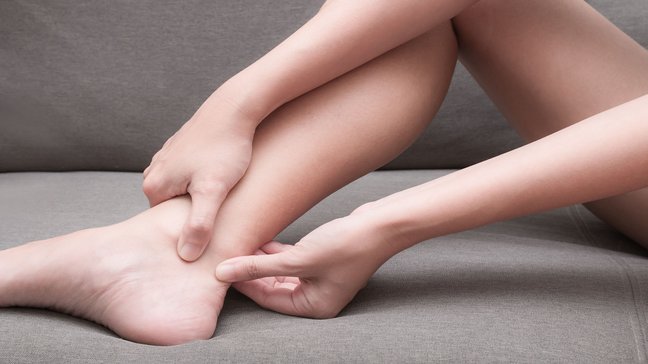
Inflammation/tear of the tibialis posterior tendon
The tibialis posterior tendon plays a crucial role in stabilizing the longitudinal arch of the foot and supporting foot movements. Inflammation or tears of this tendon can lead to significant functional impairments and foot deformities.
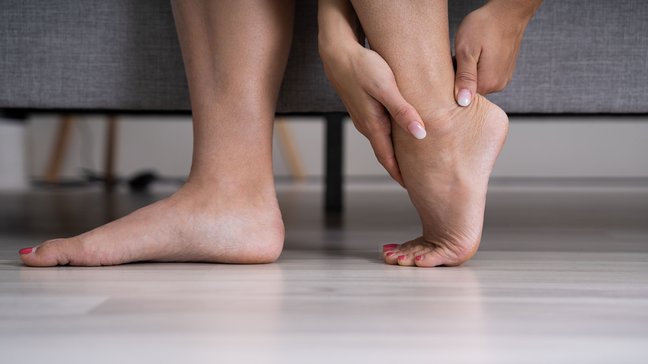
Achillodynia
Achillodynia refers to pain and inflammation of the Achilles tendon, which often occurs in physically active people. These complaints usually result from overuse or improper strain and can significantly impair mobility.

Achilles tendon pathologies
Achilles tendon pathologies include various diseases and injuries of the Achilles tendon, which can lead to pain, movement restrictions, and chronic complaints. They often affect athletes and active people, but can also arise from improper loading or…
Shin splints
Classification of Shin Splint Syndrome
The shin splint syndrome is classified according to the cause and location of the pain:
1. **Medial Tibial Stress Syndrome (MTSS):** Pain occurs along the inside of the shin, usually due to overuse of the muscles or tendons.
2. **Compartment Syndrome:** Increased pressure in the muscle compartments of the lower leg, leading to pain and circulatory disorders.
3. **Stress Fractures:** Microfractures of the shin due to repeated stress, a more severe form of shin splints.
4. **Acute Shin Splint Syndrome:** Sudden onset of pain, usually after intense physical activity.
5. **Chronic Shin Splint Syndrome:** Prolonged pain that can also persist at rest.
Causes of shin splint syndrome
The causes of shin splints are varied and include mechanical, muscular, and external factors:
- Mechanical factors:
- Misalignments of the foot such as overpronation or flat feet, which increase the load on the shin.
- Insufficient shock absorption due to worn-out shoes or hard running surfaces.
- Muscular overload:
- Repeated, intense activities such as running, jumping, or dancing.
- Imbalances between the calf and shin muscles.
- Bone stress:
- Microtraumas to the shin due to inadequate recovery periods.
- External factors:
- Sudden increase in training intensity or duration.
- Training on uneven or too hard surfaces.
Symptoms of shin splint syndrome
The symptoms vary depending on the severity and progression of the disease, but typically include:
- **Pain:** Dull or stabbing pain on the inside of the shin, which intensifies with exertion.
- **Tenderness:** Pain when palpating the shin.
- **Swelling:** Slight swelling along the affected area.
- **Movement restrictions:** Pain may limit running or other athletic activities.
- **Pain progression:** Initially, pain occurs only during exertion, later also at rest.
Diagnosis of shin splint syndrome
The diagnosis is made through a combination of medical history, clinical examination, and, if necessary, imaging techniques:
- Medical History:
- The doctor inquires about the type of sports activities, training intensity, and duration of symptoms.
- Physical Examination:
- Palpation of the shin to locate the pain.
- Tests to assess foot misalignments or muscle imbalances.
- Imaging:
- X-ray: Exclusion of stress fractures.
- MRI: Detailed depiction of soft tissue and bone structures.
- Bone Scintigraphy: Detection of stress reactions in the bone.
Treatment options for shin splint syndrome
Conservative Therapy
The treatment aims to relieve pain, promote healing, and prevent future complaints:
- Shockwave Therapy (ESWT):
- Direct inhibition of inflammation and promotion of tissue regeneration.
- Immobilization and Relief:
- Reduction or temporary cessation of sports activities.
- Medication Therapy:
- NSAIDs: To relieve pain and inflammation.
- Physiotherapy:
- Stretching and strengthening exercises for the shin and calf muscles.
- Manual therapy to improve mobility and circulation.
- Cold and Heat Applications:
- Cold treatment for pain relief in acute phases, heat therapy for muscle relaxation.
- Shoe Supply:
- Use of shock-absorbing insoles or special sports shoes.
Surgical Therapy
In rare cases, with chronic complaints or complications:
- Fasciotomy: Relief of muscle compartments in compartment syndrome.
- Corrective Surgeries: Treatment of foot deformities.
- Fixation in Stress Fractures: Stabilization of the shin in severe fractures.
Preventive measures for shin splint syndrome
To prevent shin splints, the following measures are recommended:
- Proper running technique: Avoid overpronation and excessive impact.
- Suitable footwear: Shock-absorbing sports shoes or insoles for misalignments.
- Training adjustment: Gradual increase in training intensity and duration.
- Muscle strengthening: Strengthening of the calf and shin muscles through targeted exercises.
- Regular recovery phases: Avoid overloading by taking sufficient breaks.
Inflammation/tear of the tibialis posterior tendon
The tibialis posterior tendon plays a crucial role in stabilizing the longitudinal arch of the foot and supporting foot movements. Inflammation or tears of this tendon can lead to significant functional impairments and foot deformities.
Achillodynia
Achillodynia refers to pain and inflammation of the Achilles tendon, which often occurs in physically active people. These complaints usually result from overuse or improper strain and can significantly impair mobility.
Achilles tendon pathologies
Achilles tendon pathologies include various diseases and injuries of the Achilles tendon, which can lead to pain, movement restrictions, and chronic complaints. They often affect athletes and active people, but can also arise from improper loading or…