

Rolfing (Structural Integration)
When is Rolfing used?
Rolfing is used for various complaints and for general health promotion, including:
- Chronic pain and muscle tension
- Poor posture
- Movement restrictions
- Stress and tension
- Rehabilitation after injuries
- Improvement of athletic performance
- General well-being and body awareness
Benefits of Rolfing
- Pain relief: Effectively reduces chronic pain and muscle tension.
- Improvement of posture: Corrects poor posture and optimizes movement patterns.
- Increased mobility: Improves the flexibility and mobility of the body.
- Holistic effect: Considers the body as a unit and addresses the causes of complaints.
- Improved body awareness: Promotes better perception of one's own body.
- Long-term results: Supports long-term changes in body structure and function.
Conducting Rolfing
- Examination: The Rolfing therapist conducts a thorough medical history and physical examination to identify the causes of the complaints.
- Treatment: With specific grips and techniques, the therapist manipulates the connective tissue to release tensions and improve posture.
- Duration of treatment: A session usually lasts between 60 and 90 minutes.
- Frequency of sessions: Rolfing often takes place in a series of 10 sessions that build on each other to achieve comprehensive structural integration.
What you need to consider before Rolfing
- Health issues: Inform the therapist about existing health issues, especially in the case of skin conditions or acute injuries.
- Medications: Let the therapist know if you are taking any medications that could affect the treatment.
- Preparation: No special preparations are required, but comfortable clothing can be helpful.
Debriefing and Consultation
After the Rolfing session, the therapist will discuss the results and your reaction to the treatment. The therapist will assess whether further sessions are necessary and how the treatment can be integrated into the overall treatment plan. Additional recommendations may include exercises, other therapeutic measures, or adjustments in daily life to support healing and pain relief.
Dear patient!
Unfortunately, we are not currently offering therapy for this condition at our center. However, we warmly invite you to schedule an appointment so that we can assess your situation individually. Often, different therapeutic approaches are suitable for a specific situation. We will be happy to recommend, if necessary, a specialist physician or an appropriate center that can alternatively assist you directly.
Schedule an appointment
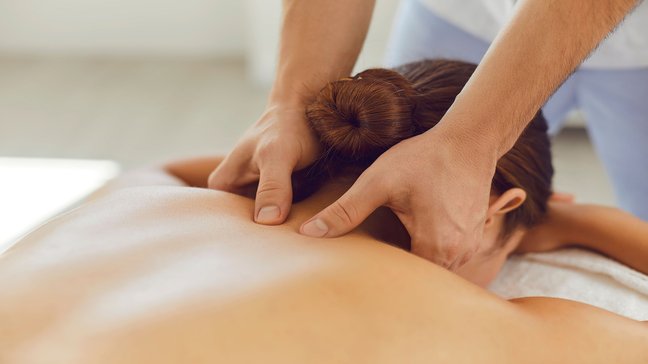
Trigger point therapy
Trigger point therapy is a manual treatment method that targets the specific treatment of muscle tension and pain points, known as trigger points. These points are often palpable as small, hardened knots in the muscle tissue and can radiate pain.…
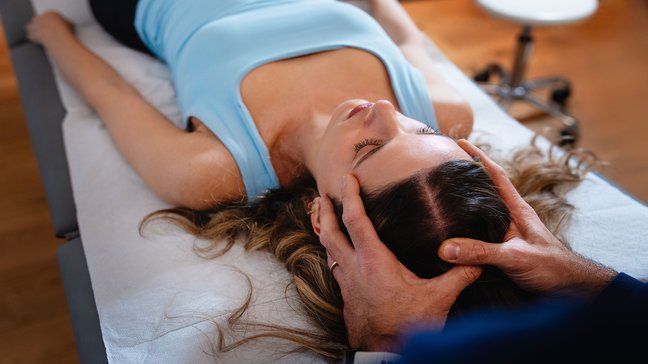
Craniosacral Therapy
Craniosacral therapy is a gentle, manual treatment method that aims to examine and correct the craniosacral system. This system includes the membranes and fluids that surround and protect the brain and spinal cord. Through light touches and…

Терапевтическая гимнастика
Therapeutic gymnastics is a form of movement therapy aimed at improving physical health and mobility. It is often used for rehabilitation after injuries, for treating chronic pain, and for preventing musculoskeletal disorders. Therapeutic gymnastics…
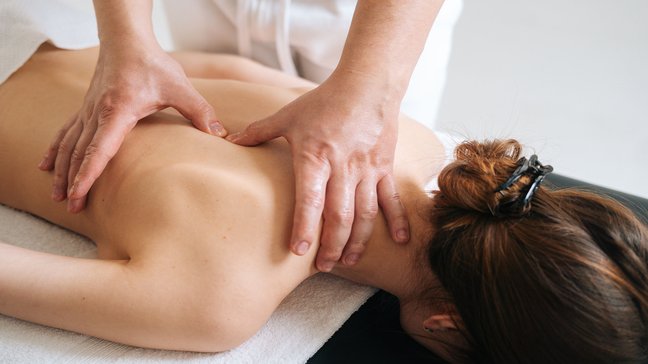
Massages
Massage is a proven therapeutic method for treating muscle tension, stress, and pain. Various massage techniques are used to improve circulation, relax muscles, and promote overall well-being. Massages can be applied both therapeutically and…
Rolfing (Structural Integration)
When is Rolfing used?
Rolfing is used for various complaints and for general health promotion, including:
- Chronic pain and muscle tension
- Poor posture
- Movement restrictions
- Stress and tension
- Rehabilitation after injuries
- Improvement of athletic performance
- General well-being and body awareness
Benefits of Rolfing
- Pain relief: Effectively reduces chronic pain and muscle tension.
- Improvement of posture: Corrects poor posture and optimizes movement patterns.
- Increased mobility: Improves the flexibility and mobility of the body.
- Holistic effect: Considers the body as a unit and addresses the causes of complaints.
- Improved body awareness: Promotes better perception of one's own body.
- Long-term results: Supports long-term changes in body structure and function.
Conducting Rolfing
- Examination: The Rolfing therapist conducts a thorough medical history and physical examination to identify the causes of the complaints.
- Treatment: With specific grips and techniques, the therapist manipulates the connective tissue to release tensions and improve posture.
- Duration of treatment: A session usually lasts between 60 and 90 minutes.
- Frequency of sessions: Rolfing often takes place in a series of 10 sessions that build on each other to achieve comprehensive structural integration.
What you need to consider before Rolfing
- Health issues: Inform the therapist about existing health issues, especially in the case of skin conditions or acute injuries.
- Medications: Let the therapist know if you are taking any medications that could affect the treatment.
- Preparation: No special preparations are required, but comfortable clothing can be helpful.
Debriefing and Consultation
After the Rolfing session, the therapist will discuss the results and your reaction to the treatment. The therapist will assess whether further sessions are necessary and how the treatment can be integrated into the overall treatment plan. Additional recommendations may include exercises, other therapeutic measures, or adjustments in daily life to support healing and pain relief.
Dear patient!
Unfortunately, we are not currently offering therapy for this condition at our center. However, we warmly invite you to schedule an appointment so that we can assess your situation individually. Often, different therapeutic approaches are suitable for a specific situation. We will be happy to recommend, if necessary, a specialist physician or an appropriate center that can alternatively assist you directly.
Schedule an appointment
Trigger point therapy
Trigger point therapy is a manual treatment method that targets the specific treatment of muscle tension and pain points, known as trigger points. These points are often palpable as small, hardened knots in the muscle tissue and can radiate pain.…
Craniosacral Therapy
Craniosacral therapy is a gentle, manual treatment method that aims to examine and correct the craniosacral system. This system includes the membranes and fluids that surround and protect the brain and spinal cord. Through light touches and…
Терапевтическая гимнастика
Therapeutic gymnastics is a form of movement therapy aimed at improving physical health and mobility. It is often used for rehabilitation after injuries, for treating chronic pain, and for preventing musculoskeletal disorders. Therapeutic gymnastics…
Massages
Massage is a proven therapeutic method for treating muscle tension, stress, and pain. Various massage techniques are used to improve circulation, relax muscles, and promote overall well-being. Massages can be applied both therapeutically and…