

Trigger point therapy
When is trigger point therapy used?
The trigger point therapy is used for various complaints and conditions, including:
- Chronic and acute muscle pain
- Back pain and neck pain
- Headaches and migraines
- Joint complaints (e.g., shoulder, hip, knee)
- Movement restrictions
- Sports injuries
- Fibromyalgia
Advantages of Trigger Point Therapy
- Pain relief: Effectively reduces muscle and joint pain through targeted treatment of trigger points.
- Improvement of mobility: Increases the mobility and flexibility of muscles and joints.
- Muscle relaxation: Relieves muscle tension and improves muscle function.
- Promotion of blood circulation: Supports healing through improved blood circulation.
- Holistic effect: Considers the body as a whole and addresses the causes of complaints.
- Individually tailored: The treatment is tailored to the specific needs of the patient.
Performing trigger point therapy
- Examination: The therapist conducts a thorough medical history and physical examination to identify the trigger points.
- Treatment: Specific pressure techniques and massage grips are used to target the trigger points, release tightness, and alleviate pain.
- Duration of treatment: A session usually lasts between 30 and 60 minutes.
- Frequency of sessions: Depending on the severity and type of complaints, several sessions may be necessary.
What you need to consider before trigger point therapy
- Health issues: Inform the therapist about existing health problems, especially in the case of skin conditions or acute injuries.
- Medications: Let the therapist know if you are taking any medications that could affect the treatment.
- Preparation: No special preparations are required, but comfortable clothing can be helpful.
Debriefing and Consultation
After the trigger point therapy, the therapist will discuss the results and your reaction to the treatment. The therapist will assess whether further sessions are necessary and how the therapy can be integrated into the overall treatment plan. Additional recommendations may include exercises, other physiotherapeutic measures, or adjustments in daily life to support healing and pain relief.

Bowen Therapy
Bowen therapy is a gentle, manual treatment method aimed at the holistic promotion of healing and well-being. It was developed by the Australian Tom Bowen and involves light, precise movements performed at specific points on the body. These movements…
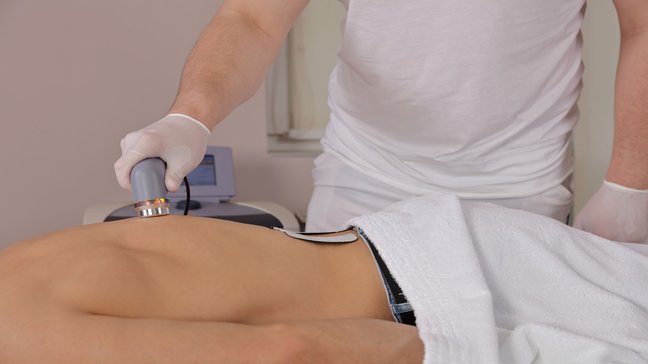
Myofascial therapy
Myofascial therapy is a manual treatment method that aims at the examination and treatment of muscle and connective tissue tensions. This method focuses on the myofascial tissue, a network of muscles and fascia that runs throughout the entire body.…
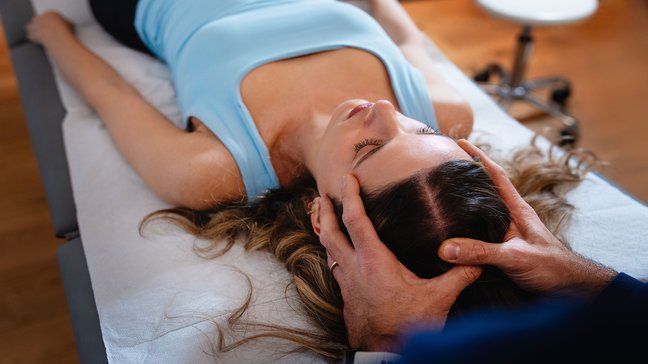
Craniosacral Therapy
Craniosacral therapy is a gentle, manual treatment method that aims to examine and correct the craniosacral system. This system includes the membranes and fluids that surround and protect the brain and spinal cord. Through light touches and…
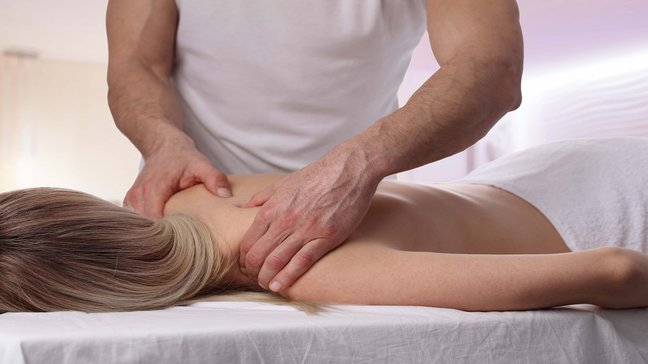
Osteopathy
Osteopathy is a holistic, manual therapy that is based on the diagnosis and treatment of functional disorders of the body. It focuses on the mobility and function of muscles, joints, and connective tissue and aims to activate the body's self-healing…
Trigger point therapy
When is trigger point therapy used?
The trigger point therapy is used for various complaints and conditions, including:
- Chronic and acute muscle pain
- Back pain and neck pain
- Headaches and migraines
- Joint complaints (e.g., shoulder, hip, knee)
- Movement restrictions
- Sports injuries
- Fibromyalgia
Advantages of Trigger Point Therapy
- Pain relief: Effectively reduces muscle and joint pain through targeted treatment of trigger points.
- Improvement of mobility: Increases the mobility and flexibility of muscles and joints.
- Muscle relaxation: Relieves muscle tension and improves muscle function.
- Promotion of blood circulation: Supports healing through improved blood circulation.
- Holistic effect: Considers the body as a whole and addresses the causes of complaints.
- Individually tailored: The treatment is tailored to the specific needs of the patient.
Performing trigger point therapy
- Examination: The therapist conducts a thorough medical history and physical examination to identify the trigger points.
- Treatment: Specific pressure techniques and massage grips are used to target the trigger points, release tightness, and alleviate pain.
- Duration of treatment: A session usually lasts between 30 and 60 minutes.
- Frequency of sessions: Depending on the severity and type of complaints, several sessions may be necessary.
What you need to consider before trigger point therapy
- Health issues: Inform the therapist about existing health problems, especially in the case of skin conditions or acute injuries.
- Medications: Let the therapist know if you are taking any medications that could affect the treatment.
- Preparation: No special preparations are required, but comfortable clothing can be helpful.
Debriefing and Consultation
After the trigger point therapy, the therapist will discuss the results and your reaction to the treatment. The therapist will assess whether further sessions are necessary and how the therapy can be integrated into the overall treatment plan. Additional recommendations may include exercises, other physiotherapeutic measures, or adjustments in daily life to support healing and pain relief.
Bowen Therapy
Bowen therapy is a gentle, manual treatment method aimed at the holistic promotion of healing and well-being. It was developed by the Australian Tom Bowen and involves light, precise movements performed at specific points on the body. These movements…
Myofascial therapy
Myofascial therapy is a manual treatment method that aims at the examination and treatment of muscle and connective tissue tensions. This method focuses on the myofascial tissue, a network of muscles and fascia that runs throughout the entire body.…
Craniosacral Therapy
Craniosacral therapy is a gentle, manual treatment method that aims to examine and correct the craniosacral system. This system includes the membranes and fluids that surround and protect the brain and spinal cord. Through light touches and…
Osteopathy
Osteopathy is a holistic, manual therapy that is based on the diagnosis and treatment of functional disorders of the body. It focuses on the mobility and function of muscles, joints, and connective tissue and aims to activate the body's self-healing…