

Post-infectious arthritis
Classification of post-infectious arthritis
Post-infectious arthritis can be divided into different categories based on cause and clinical course:
- By type of triggering infection:
- Bacterial infections: Often caused by pathogens such as Chlamydia, Salmonella, Shigella, or Yersinia.
- Viral infections: For example, after infections with hepatitis B virus or parvovirus B19.
- Fungal infections: Rarer, but possible in immunocompromised patients.
- By course:
- Acute post-infectious arthritis: Sudden onset of symptoms that may subside within a few weeks.
- Chronic post-infectious arthritis: Symptoms last longer than six months and can lead to permanent damage.
Causes of post-infectious arthritis
The cause of post-infectious arthritis lies in a misreaction of the immune system, where the body's own structures are attacked:
- Infectious triggers:
- Common bacterial pathogens include Chlamydia trachomatis, Salmonella enteritidis, and Campylobacter jejuni.
- Immunological reaction:
- The immune system reacts to certain features of the pathogens that resemble the body's own structures (molecular mimicry).
- Genetic predisposition:
- The HLA-B27 gene increases the risk of developing post-infectious arthritis.
Symptoms of post-infectious arthritis
The symptoms typically appear two to four weeks after infection and can vary in severity:
- Joint complaints:
- Pain, swelling, and redness, usually asymmetrical.
- Mainly affects the knee, ankle, and hip joints.
- Systemic symptoms:
- General feeling of illness, fatigue, and mild fever.
- Skin and eye involvement:
- Conjunctivitis or skin rashes, such as keratoderma blennorrhagicum.
- Movement restrictions:
- Restriction of joint mobility, especially after periods of rest.
Diagnosis of post-infectious arthritis
The diagnosis is made through a combination of medical history, clinical examination, and additional tests:
- Medical history:
- The doctor inquires about recent infections and current complaints.
- Physical examination:
- Examination of the affected joints for swelling, warmth, and movement restrictions.
- Laboratory diagnostics:
- Elevated inflammation markers such as CRP and ESR.
- Detection of specific antibodies against triggering pathogens.
- HLA-B27 test to clarify genetic predisposition.
- Imaging techniques:
- X-ray: Visualization of joint damage or calcifications.
- Ultrasound: Detection of effusions and inflammations.
Treatment options for post-infectious arthritis
Conservative Therapy
The conservative treatment is the primary focus and aims to alleviate symptoms and treat the underlying infection:
- Medication Therapy:
- Nonsteroidal anti-inflammatory drugs (NSAIDs) for reducing inflammation and relieving pain.
- Corticosteroid injections for severe inflammation.
- Antibiotics for confirmed bacterial infections.
- Physiotherapy:
- Exercises to restore mobility and prevent joint stiffness.
- Pain Management:
- Complementary measures such as cold or heat applications.
Surgical Therapy
Surgical treatment is rarely necessary but indicated in severe or chronic cases:
- Arthroscopy:
- Removal of inflammatory fluids from the joint.
- Synovectomy:
- Removal of the inflamed joint lining in cases of persistent discomfort.
Preventive measures for post-infectious arthritis
The following measures are helpful in preventing post-infectious arthritis:
- Hygiene measures: Regular hand washing and avoiding contaminated food.
- Early detection and treatment: Seek medical clarification early if symptoms of infection occur.
- Strengthening the immune system: Healthy diet, adequate sleep, and regular exercise.
- Vaccinations: Protection against infections such as hepatitis B.
- Risk minimization: Timely medical consultation in case of genetic predisposition.

Tumor in orthopedics
Tumors in orthopedics include benign and malignant neoplasms that can arise in bones, joints, or soft tissues of the musculoskeletal system. These conditions are rare but require careful diagnosis and treatment, as they can have significant impacts…
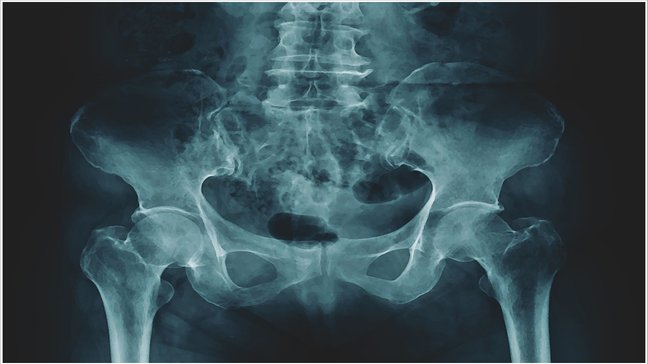
Fibroostoses
Fibroosteoses are benign changes in the bone, characterized by an increased formation of fibrous tissue (fibrosis) and bone (osteosis). They usually appear as local, defined densifications of the bone and can cause pain, functional limitations, or…
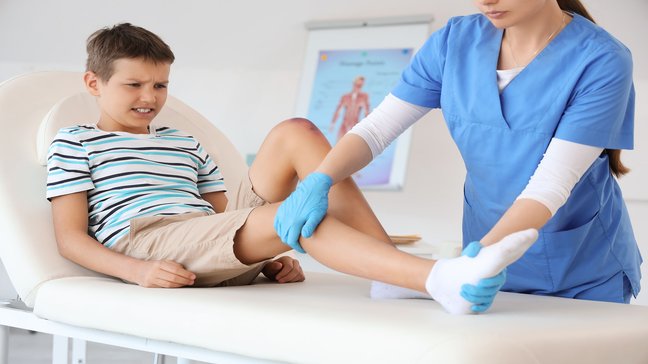
Juvenile Arthritis
Juvenile arthritis, medically referred to as juvenile idiopathic arthritis (JIA), is a chronic inflammatory joint disease that occurs in children and adolescents under 16 years of age. It is the most common rheumatic disease in this age group and can…
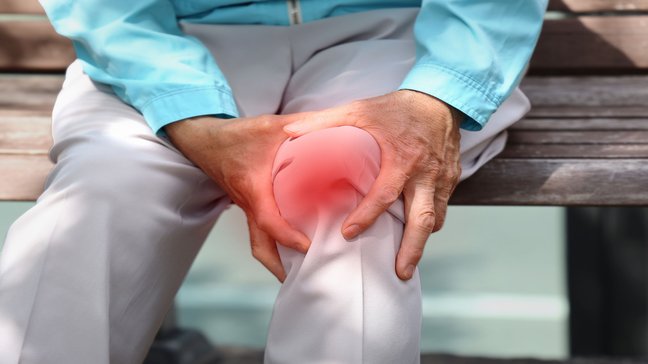
Pseudogout
Pseudogout, also known as chondrocalcinosis, is an inflammatory joint disease caused by the deposition of calcium pyrophosphate crystals (CPP crystals) in the joints. These crystals lead to painful inflammation, swelling, and restricted movement,…
Post-infectious arthritis
Classification of post-infectious arthritis
Post-infectious arthritis can be divided into different categories based on cause and clinical course:
- By type of triggering infection:
- Bacterial infections: Often caused by pathogens such as Chlamydia, Salmonella, Shigella, or Yersinia.
- Viral infections: For example, after infections with hepatitis B virus or parvovirus B19.
- Fungal infections: Rarer, but possible in immunocompromised patients.
- By course:
- Acute post-infectious arthritis: Sudden onset of symptoms that may subside within a few weeks.
- Chronic post-infectious arthritis: Symptoms last longer than six months and can lead to permanent damage.
Causes of post-infectious arthritis
The cause of post-infectious arthritis lies in a misreaction of the immune system, where the body's own structures are attacked:
- Infectious triggers:
- Common bacterial pathogens include Chlamydia trachomatis, Salmonella enteritidis, and Campylobacter jejuni.
- Immunological reaction:
- The immune system reacts to certain features of the pathogens that resemble the body's own structures (molecular mimicry).
- Genetic predisposition:
- The HLA-B27 gene increases the risk of developing post-infectious arthritis.
Symptoms of post-infectious arthritis
The symptoms typically appear two to four weeks after infection and can vary in severity:
- Joint complaints:
- Pain, swelling, and redness, usually asymmetrical.
- Mainly affects the knee, ankle, and hip joints.
- Systemic symptoms:
- General feeling of illness, fatigue, and mild fever.
- Skin and eye involvement:
- Conjunctivitis or skin rashes, such as keratoderma blennorrhagicum.
- Movement restrictions:
- Restriction of joint mobility, especially after periods of rest.
Diagnosis of post-infectious arthritis
The diagnosis is made through a combination of medical history, clinical examination, and additional tests:
- Medical history:
- The doctor inquires about recent infections and current complaints.
- Physical examination:
- Examination of the affected joints for swelling, warmth, and movement restrictions.
- Laboratory diagnostics:
- Elevated inflammation markers such as CRP and ESR.
- Detection of specific antibodies against triggering pathogens.
- HLA-B27 test to clarify genetic predisposition.
- Imaging techniques:
- X-ray: Visualization of joint damage or calcifications.
- Ultrasound: Detection of effusions and inflammations.
Treatment options for post-infectious arthritis
Conservative Therapy
The conservative treatment is the primary focus and aims to alleviate symptoms and treat the underlying infection:
- Medication Therapy:
- Nonsteroidal anti-inflammatory drugs (NSAIDs) for reducing inflammation and relieving pain.
- Corticosteroid injections for severe inflammation.
- Antibiotics for confirmed bacterial infections.
- Physiotherapy:
- Exercises to restore mobility and prevent joint stiffness.
- Pain Management:
- Complementary measures such as cold or heat applications.
Surgical Therapy
Surgical treatment is rarely necessary but indicated in severe or chronic cases:
- Arthroscopy:
- Removal of inflammatory fluids from the joint.
- Synovectomy:
- Removal of the inflamed joint lining in cases of persistent discomfort.
Preventive measures for post-infectious arthritis
The following measures are helpful in preventing post-infectious arthritis:
- Hygiene measures: Regular hand washing and avoiding contaminated food.
- Early detection and treatment: Seek medical clarification early if symptoms of infection occur.
- Strengthening the immune system: Healthy diet, adequate sleep, and regular exercise.
- Vaccinations: Protection against infections such as hepatitis B.
- Risk minimization: Timely medical consultation in case of genetic predisposition.
Tumor in orthopedics
Tumors in orthopedics include benign and malignant neoplasms that can arise in bones, joints, or soft tissues of the musculoskeletal system. These conditions are rare but require careful diagnosis and treatment, as they can have significant impacts…
Fibroostoses
Fibroosteoses are benign changes in the bone, characterized by an increased formation of fibrous tissue (fibrosis) and bone (osteosis). They usually appear as local, defined densifications of the bone and can cause pain, functional limitations, or…
Juvenile Arthritis
Juvenile arthritis, medically referred to as juvenile idiopathic arthritis (JIA), is a chronic inflammatory joint disease that occurs in children and adolescents under 16 years of age. It is the most common rheumatic disease in this age group and can…
Pseudogout
Pseudogout, also known as chondrocalcinosis, is an inflammatory joint disease caused by the deposition of calcium pyrophosphate crystals (CPP crystals) in the joints. These crystals lead to painful inflammation, swelling, and restricted movement,…