

Physiotherapy
When is physiotherapy used?
Physiotherapy is used for various conditions and for general health promotion, including:
- Orthopedic conditions: Back pain, herniated discs, osteoarthritis, arthritis, fractures
- Neurological conditions: Stroke, multiple sclerosis, Parkinson's, traumatic brain injury
- Postoperative rehabilitation: After orthopedic and surgical procedures
- Sports injuries: Overuse injuries, ligament tears, muscle strains
- Pediatric conditions: Developmental delays, cerebral palsy
- Respiratory conditions: COPD, asthma, cystic fibrosis
- Cardiovascular conditions: Rehabilitation after heart attack or heart surgery
Benefits of Physiotherapy
- Pain relief: Effectively reduces pain through targeted exercises and techniques.
- Improvement of mobility: Increases the flexibility and mobility of joints and muscles.
- Strengthening of muscles: Specifically strengthens the muscles and improves body stability.
- Promotion of healing: Supports regeneration after injuries and surgeries.
- Improvement of posture: Promotes a healthy posture and prevents poor posture.
- Prevention: Prevents injuries and movement restrictions through targeted training.
- Individually tailored: The therapy is tailored to the specific needs of the patient.
Conducting physiotherapy.
- Examination: The physiotherapist conducts a thorough medical history and physical examination to identify the patient's specific problems and needs.
- Treatment plan: Based on the examination results, an individual treatment plan is created.
- Therapy: The therapy can include various methods and techniques, including:
- Manual therapy: Mobilization and manipulation of joints and soft tissues
- Therapeutic exercises: Targeted exercises for strengthening, stretching, and mobilization
- Physical measures: Application of heat, cold, ultrasound, or electrotherapy
- Massage techniques: Relieving muscle tension and improving circulation
- Respiratory therapy: Exercises to improve respiratory function and support the respiratory muscles
- Duration of treatment: A session usually lasts between 30 and 60 minutes.
- Frequency of sessions: Depending on the type and severity of the complaints, several sessions per week may be necessary.
What you need to consider before physiotherapy
- Health issues: Inform the physiotherapist about existing health problems, especially injuries or chronic conditions.
- Medications: Inform the physiotherapist about any medications you are taking that could affect your physical performance.
- Goals: Consider what goals you want to achieve before the therapy to discuss them with the therapist.
Debriefing and Consultation
After the physiotherapy, the physiotherapist will discuss the results and your response to the treatment. The physiotherapist will assess whether further sessions are necessary and how the physiotherapy can be integrated into the overall treatment plan. Additional recommendations may include exercises for home, adjustments in daily life, or other therapeutic measures to optimize the results.

Hypnotherapy
Hypnotherapie ist eine therapeutische Methode, bei der Hypnose verwendet wird, um tiefe Entspannungszustände zu erreichen und das Unterbewusstsein des Patienten anzusprechen. Diese Therapieform wird häufig zur Behandlung von psychischen, emotionalen…

Orthopedic custom-made shoes
Orthopedic custom-made shoes are individually crafted shoes tailored specifically to the needs of the patient. They provide optimal support and relief for people with foot deformities, chronic pain, or other orthopedic issues. Their custom fit…
Kinesio Taping
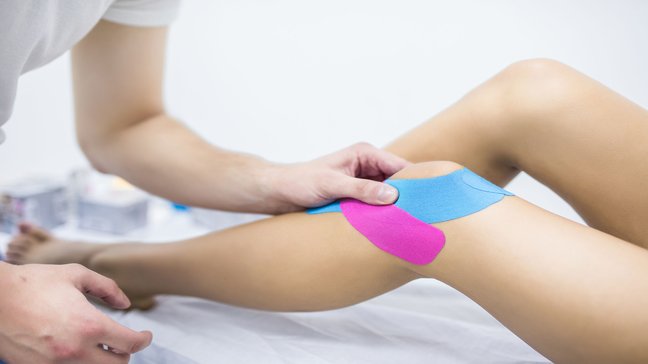
Kinesio taping is a therapeutic method in which elastic, skin-friendly adhesive tapes are applied to specific areas of the body to relieve pain, support muscle and joint function, and promote circulation. This technique was developed by Dr. Kenzo…

Functional Movement Therapy
Functional movement therapy is a holistic method aimed at improving mobility and body functionality. Through specific exercises and movement patterns, natural movements are trained to strengthen muscles, improve joint mobility, and facilitate…
Physiotherapy
When is physiotherapy used?
Physiotherapy is used for various conditions and for general health promotion, including:
- Orthopedic conditions: Back pain, herniated discs, osteoarthritis, arthritis, fractures
- Neurological conditions: Stroke, multiple sclerosis, Parkinson's, traumatic brain injury
- Postoperative rehabilitation: After orthopedic and surgical procedures
- Sports injuries: Overuse injuries, ligament tears, muscle strains
- Pediatric conditions: Developmental delays, cerebral palsy
- Respiratory conditions: COPD, asthma, cystic fibrosis
- Cardiovascular conditions: Rehabilitation after heart attack or heart surgery
Benefits of Physiotherapy
- Pain relief: Effectively reduces pain through targeted exercises and techniques.
- Improvement of mobility: Increases the flexibility and mobility of joints and muscles.
- Strengthening of muscles: Specifically strengthens the muscles and improves body stability.
- Promotion of healing: Supports regeneration after injuries and surgeries.
- Improvement of posture: Promotes a healthy posture and prevents poor posture.
- Prevention: Prevents injuries and movement restrictions through targeted training.
- Individually tailored: The therapy is tailored to the specific needs of the patient.
Conducting physiotherapy.
- Examination: The physiotherapist conducts a thorough medical history and physical examination to identify the patient's specific problems and needs.
- Treatment plan: Based on the examination results, an individual treatment plan is created.
- Therapy: The therapy can include various methods and techniques, including:
- Manual therapy: Mobilization and manipulation of joints and soft tissues
- Therapeutic exercises: Targeted exercises for strengthening, stretching, and mobilization
- Physical measures: Application of heat, cold, ultrasound, or electrotherapy
- Massage techniques: Relieving muscle tension and improving circulation
- Respiratory therapy: Exercises to improve respiratory function and support the respiratory muscles
- Duration of treatment: A session usually lasts between 30 and 60 minutes.
- Frequency of sessions: Depending on the type and severity of the complaints, several sessions per week may be necessary.
What you need to consider before physiotherapy
- Health issues: Inform the physiotherapist about existing health problems, especially injuries or chronic conditions.
- Medications: Inform the physiotherapist about any medications you are taking that could affect your physical performance.
- Goals: Consider what goals you want to achieve before the therapy to discuss them with the therapist.
Debriefing and Consultation
After the physiotherapy, the physiotherapist will discuss the results and your response to the treatment. The physiotherapist will assess whether further sessions are necessary and how the physiotherapy can be integrated into the overall treatment plan. Additional recommendations may include exercises for home, adjustments in daily life, or other therapeutic measures to optimize the results.
Hypnotherapy
Hypnotherapie ist eine therapeutische Methode, bei der Hypnose verwendet wird, um tiefe Entspannungszustände zu erreichen und das Unterbewusstsein des Patienten anzusprechen. Diese Therapieform wird häufig zur Behandlung von psychischen, emotionalen…
Orthopedic custom-made shoes
Orthopedic custom-made shoes are individually crafted shoes tailored specifically to the needs of the patient. They provide optimal support and relief for people with foot deformities, chronic pain, or other orthopedic issues. Their custom fit…
Kinesio Taping
Kinesio taping is a therapeutic method in which elastic, skin-friendly adhesive tapes are applied to specific areas of the body to relieve pain, support muscle and joint function, and promote circulation. This technique was developed by Dr. Kenzo…
Functional Movement Therapy
Functional movement therapy is a holistic method aimed at improving mobility and body functionality. Through specific exercises and movement patterns, natural movements are trained to strengthen muscles, improve joint mobility, and facilitate…