

Pedobarography and gait analysis
What is measured during the examination?
In pedobarography, the pressure distribution under the feet is analyzed using a sensor-controlled measuring plate.
Among other things, the following can be identified:
• Pressure distribution under the feet when walking or standing
• Misalignments of the foot
• Differences in loading between the left and right foot
• Unfavorable movement patterns
The supplementary gait analysis additionally examines the interaction of various joints during movement.
The following are assessed:
• Movement of the hip, knee and ankle joint
• Stability and coordination while walking
• Possible incorrect loading in the musculoskeletal system
When is pedobarography useful?
An examination can be helpful in various situations.
For example:
• for pain in the foot, knee, or back area
• for malalignment of the feet
• for deviations of the leg axis
• after injuries or surgeries
• to check insoles or orthopedic shoes
• as part of sports orthopedic care
Advantages of the examination
Pedobarography and gait analysis provide objective measurement data on the gait pattern and foot loading.
• painless examination
• precise analysis of foot loading
• objective measurement data for assessing the gait pattern
• support for individual therapy planning
• suitable for follow-up evaluations
The results can, for example, be used to adjust insoles, physiotherapeutic measures, or training programs.
Benefit for the treatment
The analysis enables targeted planning of further treatment.
Possible measures include, for example:
• custom-fitted orthopedic insoles
• physiotherapy exercises
• adjustment of movement patterns in everyday life or sports
• review of existing therapies
No. The examination is completely painless. You simply walk over a measuring plate or stand on it briefly.
The examination usually takes only a few minutes.
No special preparation is necessary. However, it can be helpful to bring comfortable clothing and, if applicable, any existing insoles.
The examination is suitable for children and adults with musculoskeletal complaints as well as for physically active individuals.
Yes. Pedobarography can very accurately display misalignments as well as uneven loading of the feet.
Yes. The examination is very well suited for the assessment and optimization of orthopedic insoles or shoes.

Spine Coaching
Complaints in the area of the spine are among the most common reasons to visit an orthopedic specialist. The causes can be varied—from disc problems and overuse syndromes to muscular tension or stress-related symptoms.
Our spine coaching provides a…
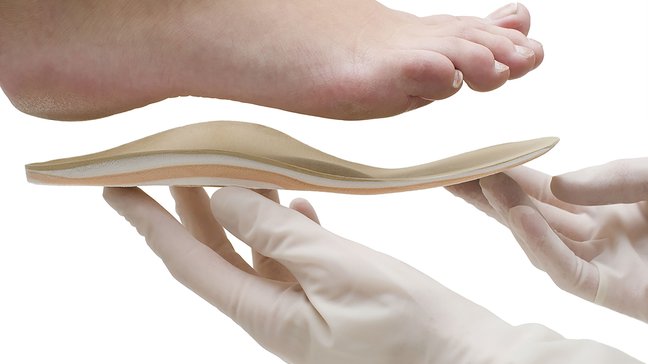
Orthopedic insoles
Orthopedic insoles are specially made or prefabricated shoe inserts that serve to support, relieve, and correct the feet and musculoskeletal system. They play an essential role in the treatment of foot problems, improving posture, and alleviating…
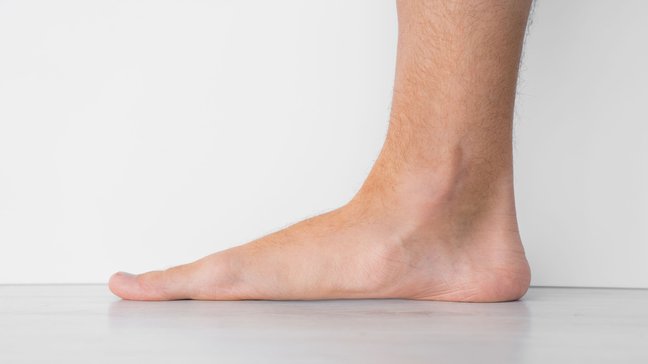
Flatfoot (Pes Planus)
A flatfoot, medically referred to as pes planus, is a foot deformity where the arch of the foot is flattened or completely absent. This condition can be congenital or acquired and often occurs in both children and adults. While mild forms often…
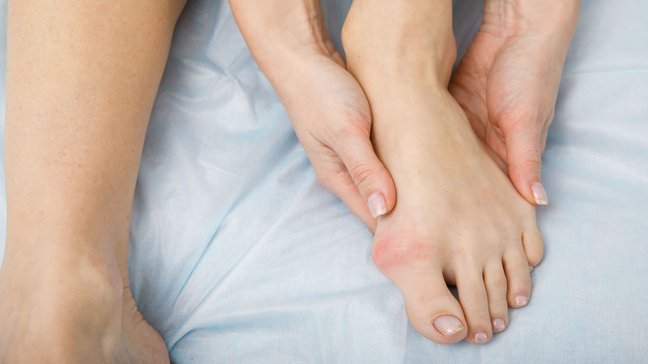
Hallux Valgus
Hallux valgus, colloquially known as a bunion, is a common foot deformity where the big toe (hallux) deviates towards the other toes. This results in a protrusion of the big toe joint, which is often painful and leads to problems when wearing shoes.…
Pedobarography and gait analysis
What is measured during the examination?
In pedobarography, the pressure distribution under the feet is analyzed using a sensor-controlled measuring plate.
Among other things, the following can be identified:
• Pressure distribution under the feet when walking or standing
• Misalignments of the foot
• Differences in loading between the left and right foot
• Unfavorable movement patterns
The supplementary gait analysis additionally examines the interaction of various joints during movement.
The following are assessed:
• Movement of the hip, knee and ankle joint
• Stability and coordination while walking
• Possible incorrect loading in the musculoskeletal system
When is pedobarography useful?
An examination can be helpful in various situations.
For example:
• for pain in the foot, knee, or back area
• for malalignment of the feet
• for deviations of the leg axis
• after injuries or surgeries
• to check insoles or orthopedic shoes
• as part of sports orthopedic care
Advantages of the examination
Pedobarography and gait analysis provide objective measurement data on the gait pattern and foot loading.
• painless examination
• precise analysis of foot loading
• objective measurement data for assessing the gait pattern
• support for individual therapy planning
• suitable for follow-up evaluations
The results can, for example, be used to adjust insoles, physiotherapeutic measures, or training programs.
Benefit for the treatment
The analysis enables targeted planning of further treatment.
Possible measures include, for example:
• custom-fitted orthopedic insoles
• physiotherapy exercises
• adjustment of movement patterns in everyday life or sports
• review of existing therapies
No. The examination is completely painless. You simply walk over a measuring plate or stand on it briefly.
The examination usually takes only a few minutes.
No special preparation is necessary. However, it can be helpful to bring comfortable clothing and, if applicable, any existing insoles.
The examination is suitable for children and adults with musculoskeletal complaints as well as for physically active individuals.
Yes. Pedobarography can very accurately display misalignments as well as uneven loading of the feet.
Yes. The examination is very well suited for the assessment and optimization of orthopedic insoles or shoes.
Spine Coaching
Complaints in the area of the spine are among the most common reasons to visit an orthopedic specialist. The causes can be varied—from disc problems and overuse syndromes to muscular tension or stress-related symptoms.
Our spine coaching provides a…
Orthopedic insoles
Orthopedic insoles are specially made or prefabricated shoe inserts that serve to support, relieve, and correct the feet and musculoskeletal system. They play an essential role in the treatment of foot problems, improving posture, and alleviating…
Flatfoot (Pes Planus)
A flatfoot, medically referred to as pes planus, is a foot deformity where the arch of the foot is flattened or completely absent. This condition can be congenital or acquired and often occurs in both children and adults. While mild forms often…
Hallux Valgus
Hallux valgus, colloquially known as a bunion, is a common foot deformity where the big toe (hallux) deviates towards the other toes. This results in a protrusion of the big toe joint, which is often painful and leads to problems when wearing shoes.…