

Paget's disease (Paget's disease)
Classification of Paget's Disease
Paget's disease is classified according to the affected bone regions and the course of the disease:
- Monostotic Paget: Affects only a single bone, often the skull bones, pelvis, or long tubular bones.
- Polyostotic Paget: Affects multiple bones simultaneously or consecutively, often symmetrically.
- Active phase: Characterized by increased osteoclast activity with rapid bone resorption and remodeling.
- Inactive phase: Characterized by a slowed bone metabolism and ossification of the affected areas.
Causes of Paget's disease
The exact causes of Paget's disease are not fully understood, but genetic and environmental factors play a role:
- Genetic predisposition:
- Inheritance of mutations, particularly in the SQSTM1 gene, which affects bone metabolism.
- Viral infections:
- Suspected that latent infections with paramyxoviruses can trigger the disease process.
- Age:
- More common in people over 50 years old.
- Environmental factors:
- Possible triggers such as diet, environmental toxins, or other exogenous influences.
Symptoms of Paget's disease
The symptoms vary greatly and depend on the affected bone region and the stage of the disease:
- **Bone pain:** Often the first symptom, especially at rest or at night.
- **Bone deformities:** Coarsened bone structure, e.g., curvatures of the long bones or skull enlargement.
- **Fractures:** Increased susceptibility to fractures due to weakened bone substance.
- **Joint pain:** Secondary osteoarthritis in adjacent joints due to bone deformities.
- **Neurological symptoms:** Pressure on nerves, e.g., in spinal canal narrowings, can lead to pain, numbness, or paralysis.
- **Hearing loss:** Involvement of the skull due to pressure on the auditory nerve.
Diagnosis of Paget's disease
The diagnosis is made through a combination of clinical findings, laboratory values, and imaging techniques:
- Anamnesis:
- Collection of symptoms, disease progression, and family history.
- Physical examination:
- Palpation and inspection of the affected bone regions for deformities or tenderness.
- Laboratory tests:
- Elevated alkaline phosphatase (AP) as a marker for increased bone turnover.
- Imaging techniques:
- X-ray: Visualization of bone thickening, deformities, and sclerosis.
- Bone scintigraphy: Identification of active disease sites.
- MRI or CT: Detailed imaging in case of suspected complications such as fractures or tumors.
Treatment options for Paget's disease
Conservative Therapy
The treatment aims to normalize bone metabolism and prevent complications:
- Medication Therapy:
- Bisphosphonates: Inhibit osteoclast activity and slow down bone remodeling.
- Calcitonin: Supports the reduction of bone resorption.
- NSAIDs: Relief of pain and inflammation.
- Physiotherapy:
- Exercises to maintain mobility and strengthen muscles.
- Pain Therapy:
- Complementary measures such as heat treatments or acupuncture.
Surgical Therapy
In severe cases or with complications, surgical interventions may be necessary:
- Fracture Care:
- Surgical stabilization of bone fractures with plates or screws.
- Correction of Deformities:
- Surgical procedures to improve function or relieve adjacent joints.
- Joint Replacement:
- Implantation of prostheses in severe osteoarthritis.
Preventive measures for Paget's disease
Since the exact causes are not fully known, there are no specific preventive measures. General recommendations include:
- Regular exercise: Maintaining bone health through physical activity.
- Calcium and vitamin D intake: Supporting bone metabolism through a balanced diet.
- Early detection: Regular monitoring of bone values and imaging in case of a family history.
- Avoidance of risk factors: Limiting smoking and excessive alcohol consumption to promote bone strength.

Collagenoses
Collagenoses are a group of chronic inflammatory autoimmune diseases that affect connective tissue and various organ systems. They are characterized by a malfunction of the immune system, in which the body's own tissue is attacked. Collagenoses can…
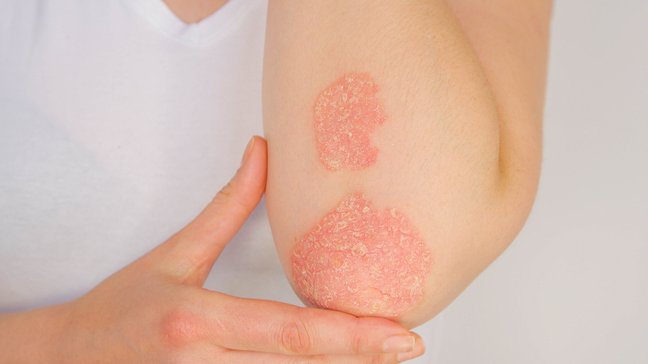
Psoriatic arthritis
Psoriatic arthritis is a chronic inflammatory disease of the joints that occurs in connection with the skin condition psoriasis. It can lead to pain, restricted movement, and permanent joint damage if not treated in a timely manner. The disease often…

Spondylarthritis
Spondyloarthritis is an inflammatory disease that can affect the spine, the sacroiliac joints, and peripheral joints. It belongs to the group of spondyloarthritides, which also includes diseases such as ankylosing spondylitis, reactive arthritis, and…

Rheumatoid arthritis
Rheumatoid arthritis (RA) is a chronic inflammatory autoimmune disease that primarily affects the joints but can also damage other organs. If left untreated, the disease leads to progressive joint destruction, pain, and movement restrictions. Women…
Paget's disease (Paget's disease)
Classification of Paget's Disease
Paget's disease is classified according to the affected bone regions and the course of the disease:
- Monostotic Paget: Affects only a single bone, often the skull bones, pelvis, or long tubular bones.
- Polyostotic Paget: Affects multiple bones simultaneously or consecutively, often symmetrically.
- Active phase: Characterized by increased osteoclast activity with rapid bone resorption and remodeling.
- Inactive phase: Characterized by a slowed bone metabolism and ossification of the affected areas.
Causes of Paget's disease
The exact causes of Paget's disease are not fully understood, but genetic and environmental factors play a role:
- Genetic predisposition:
- Inheritance of mutations, particularly in the SQSTM1 gene, which affects bone metabolism.
- Viral infections:
- Suspected that latent infections with paramyxoviruses can trigger the disease process.
- Age:
- More common in people over 50 years old.
- Environmental factors:
- Possible triggers such as diet, environmental toxins, or other exogenous influences.
Symptoms of Paget's disease
The symptoms vary greatly and depend on the affected bone region and the stage of the disease:
- **Bone pain:** Often the first symptom, especially at rest or at night.
- **Bone deformities:** Coarsened bone structure, e.g., curvatures of the long bones or skull enlargement.
- **Fractures:** Increased susceptibility to fractures due to weakened bone substance.
- **Joint pain:** Secondary osteoarthritis in adjacent joints due to bone deformities.
- **Neurological symptoms:** Pressure on nerves, e.g., in spinal canal narrowings, can lead to pain, numbness, or paralysis.
- **Hearing loss:** Involvement of the skull due to pressure on the auditory nerve.
Diagnosis of Paget's disease
The diagnosis is made through a combination of clinical findings, laboratory values, and imaging techniques:
- Anamnesis:
- Collection of symptoms, disease progression, and family history.
- Physical examination:
- Palpation and inspection of the affected bone regions for deformities or tenderness.
- Laboratory tests:
- Elevated alkaline phosphatase (AP) as a marker for increased bone turnover.
- Imaging techniques:
- X-ray: Visualization of bone thickening, deformities, and sclerosis.
- Bone scintigraphy: Identification of active disease sites.
- MRI or CT: Detailed imaging in case of suspected complications such as fractures or tumors.
Treatment options for Paget's disease
Conservative Therapy
The treatment aims to normalize bone metabolism and prevent complications:
- Medication Therapy:
- Bisphosphonates: Inhibit osteoclast activity and slow down bone remodeling.
- Calcitonin: Supports the reduction of bone resorption.
- NSAIDs: Relief of pain and inflammation.
- Physiotherapy:
- Exercises to maintain mobility and strengthen muscles.
- Pain Therapy:
- Complementary measures such as heat treatments or acupuncture.
Surgical Therapy
In severe cases or with complications, surgical interventions may be necessary:
- Fracture Care:
- Surgical stabilization of bone fractures with plates or screws.
- Correction of Deformities:
- Surgical procedures to improve function or relieve adjacent joints.
- Joint Replacement:
- Implantation of prostheses in severe osteoarthritis.
Preventive measures for Paget's disease
Since the exact causes are not fully known, there are no specific preventive measures. General recommendations include:
- Regular exercise: Maintaining bone health through physical activity.
- Calcium and vitamin D intake: Supporting bone metabolism through a balanced diet.
- Early detection: Regular monitoring of bone values and imaging in case of a family history.
- Avoidance of risk factors: Limiting smoking and excessive alcohol consumption to promote bone strength.
Collagenoses
Collagenoses are a group of chronic inflammatory autoimmune diseases that affect connective tissue and various organ systems. They are characterized by a malfunction of the immune system, in which the body's own tissue is attacked. Collagenoses can…
Psoriatic arthritis
Psoriatic arthritis is a chronic inflammatory disease of the joints that occurs in connection with the skin condition psoriasis. It can lead to pain, restricted movement, and permanent joint damage if not treated in a timely manner. The disease often…
Spondylarthritis
Spondyloarthritis is an inflammatory disease that can affect the spine, the sacroiliac joints, and peripheral joints. It belongs to the group of spondyloarthritides, which also includes diseases such as ankylosing spondylitis, reactive arthritis, and…
Rheumatoid arthritis
Rheumatoid arthritis (RA) is a chronic inflammatory autoimmune disease that primarily affects the joints but can also damage other organs. If left untreated, the disease leads to progressive joint destruction, pain, and movement restrictions. Women…