

Spondylarthritis
Classification of Spondyloarthritis
Spondyloarthritis is classified according to affected areas, symptoms, and specific subgroups:
- By course:
- Axial spondyloarthritis: Primary involvement of the spine and sacroiliac joints.
- Peripheral spondyloarthritis: Involvement of peripheral joints and tendon attachments.
- By specific form:
- Ankylosing spondylitis: Chronic inflammatory disease of the spine with possible stiffening.
- Psoriatic arthritis: Joint inflammation associated with psoriasis.
- Reactive arthritis: Result of an infection, e.g., of the gastrointestinal tract or urinary tract.
- Enteropathic arthritis: Association with chronic inflammatory bowel diseases such as Crohn's disease or ulcerative colitis.
Causes of spondylarthritis
The causes of spondyloarthritis are complex and include genetic, immunological, and environmental factors:
- Genetic predisposition:
- Strongly associated with the genetic marker HLA-B27.
- Immunological factors:
- Dysregulation of the immune system leading to chronic inflammation.
- Infections:
- Reactive arthritis following bacterial infections (e.g., by Salmonella or Chlamydia).
- Mechanical factors:
- Microtraumas or chronic stress can exacerbate inflammation.
Symptoms of spondyloarthritis
The symptoms vary depending on the form and progression of the disease, but typically include:
- **Pain:**
- Deep-seated back pain, especially at night or at rest.
- Pain in the sacroiliac joints radiating to the buttocks.
- **Morning stiffness:**
- Stiffness of the spine that improves with movement.
- **Inflammatory changes:**
- Swelling, redness, and pain in peripheral joints.
- **Enthesitis:**
- Pain and swelling at tendon attachments, e.g., at the Achilles tendon.
- **Systemic symptoms:**
- Fatigue, fever, and weight loss.
- **Accompanying symptoms:**
- Inflammation of the eyes (uveitis), skin changes, or intestinal inflammation.
Diagnosis of spondyloarthritis
The diagnosis is based on a combination of medical history, clinical examinations, and imaging techniques:
- Medical History:
- Duration and course of symptoms, family history, and comorbidities.
- Physical Examination:
- Tests to assess the mobility of the spine and sacroiliac joint (e.g., Mennell's sign).
- Palpation of inflamed joints and tendon insertions.
- Imaging:
- X-ray: Detection of changes in the sacroiliac joints or spine.
- MRI: Early detection of inflammation in the sacroiliac joints or soft tissues.
- Laboratory Tests:
- HLA-B27 test for genetic clarification.
- Inflammatory markers such as CRP and ESR.
Treatment options for spondyloarthritis
Conservative Therapy
The treatment of spondyloarthritis aims to relieve pain, control inflammation, and improve mobility:
- Medication Therapy:
- NSAIDs: First choice for relieving pain and inflammation.
- Biologics: TNF-alpha inhibitors or IL-17 inhibitors in severe cases.
- Corticosteroids: Short-term for acute inflammation.
- Physiotherapy:
- Exercises to improve spinal mobility and strengthen back muscles.
- Posture training to prevent misalignments.
- Pain Management:
- Heat or cold applications as needed.
Surgical Therapy
Surgeries are rarely required but may be necessary in advanced cases:
- Joint Replacement: In severe osteoarthritis of peripheral joints.
- Spinal Correction: To treat severe misalignments.
Preventive measures for spondylarthritis
The following measures are suitable for preventing or alleviating symptoms of spondyloarthritis:
- Regular exercise: Promoting mobility and strengthening muscles through targeted exercises.
- Quitting smoking: Reducing the risk of inflammatory processes.
- Stress management: Reducing psychological stress that can exacerbate inflammation.
- Ergonomic posture: Avoiding incorrect strain in everyday life.
- Regular check-ups: Early treatment of inflammatory flare-ups through medical care.

Tumor in orthopedics
Tumors in orthopedics include benign and malignant neoplasms that can arise in bones, joints, or soft tissues of the musculoskeletal system. These conditions are rare but require careful diagnosis and treatment, as they can have significant impacts…
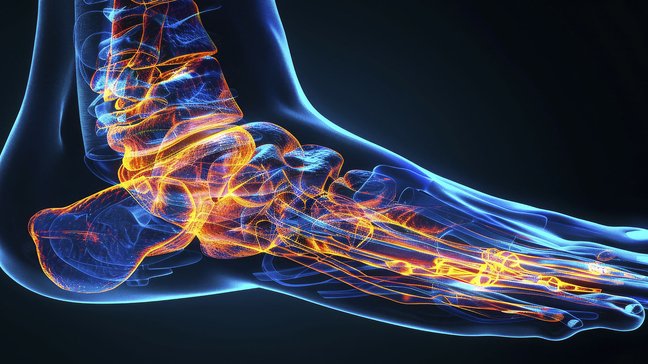
Paget's disease (Paget's disease)
Paget's disease, also known as Paget's disease of bone, is a chronic bone disorder characterized by disrupted remodeling processes in bone tissue. It leads to abnormal enlargement, thickening, and weakening of the affected bone. Typical symptoms…
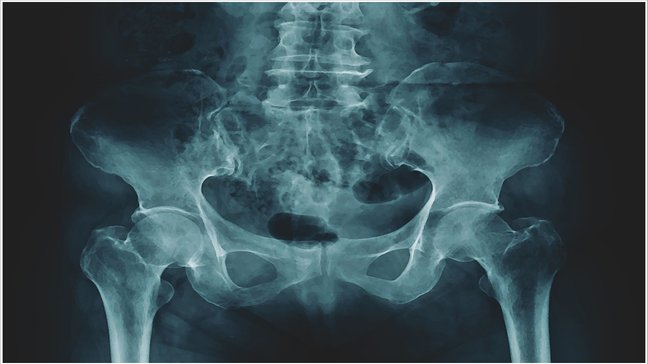
Fibroostoses
Fibroosteoses are benign changes in the bone, characterized by an increased formation of fibrous tissue (fibrosis) and bone (osteosis). They usually appear as local, defined densifications of the bone and can cause pain, functional limitations, or…
Spondylarthritis
Classification of Spondyloarthritis
Spondyloarthritis is classified according to affected areas, symptoms, and specific subgroups:
- By course:
- Axial spondyloarthritis: Primary involvement of the spine and sacroiliac joints.
- Peripheral spondyloarthritis: Involvement of peripheral joints and tendon attachments.
- By specific form:
- Ankylosing spondylitis: Chronic inflammatory disease of the spine with possible stiffening.
- Psoriatic arthritis: Joint inflammation associated with psoriasis.
- Reactive arthritis: Result of an infection, e.g., of the gastrointestinal tract or urinary tract.
- Enteropathic arthritis: Association with chronic inflammatory bowel diseases such as Crohn's disease or ulcerative colitis.
Causes of spondylarthritis
The causes of spondyloarthritis are complex and include genetic, immunological, and environmental factors:
- Genetic predisposition:
- Strongly associated with the genetic marker HLA-B27.
- Immunological factors:
- Dysregulation of the immune system leading to chronic inflammation.
- Infections:
- Reactive arthritis following bacterial infections (e.g., by Salmonella or Chlamydia).
- Mechanical factors:
- Microtraumas or chronic stress can exacerbate inflammation.
Symptoms of spondyloarthritis
The symptoms vary depending on the form and progression of the disease, but typically include:
- **Pain:**
- Deep-seated back pain, especially at night or at rest.
- Pain in the sacroiliac joints radiating to the buttocks.
- **Morning stiffness:**
- Stiffness of the spine that improves with movement.
- **Inflammatory changes:**
- Swelling, redness, and pain in peripheral joints.
- **Enthesitis:**
- Pain and swelling at tendon attachments, e.g., at the Achilles tendon.
- **Systemic symptoms:**
- Fatigue, fever, and weight loss.
- **Accompanying symptoms:**
- Inflammation of the eyes (uveitis), skin changes, or intestinal inflammation.
Diagnosis of spondyloarthritis
The diagnosis is based on a combination of medical history, clinical examinations, and imaging techniques:
- Medical History:
- Duration and course of symptoms, family history, and comorbidities.
- Physical Examination:
- Tests to assess the mobility of the spine and sacroiliac joint (e.g., Mennell's sign).
- Palpation of inflamed joints and tendon insertions.
- Imaging:
- X-ray: Detection of changes in the sacroiliac joints or spine.
- MRI: Early detection of inflammation in the sacroiliac joints or soft tissues.
- Laboratory Tests:
- HLA-B27 test for genetic clarification.
- Inflammatory markers such as CRP and ESR.
Treatment options for spondyloarthritis
Conservative Therapy
The treatment of spondyloarthritis aims to relieve pain, control inflammation, and improve mobility:
- Medication Therapy:
- NSAIDs: First choice for relieving pain and inflammation.
- Biologics: TNF-alpha inhibitors or IL-17 inhibitors in severe cases.
- Corticosteroids: Short-term for acute inflammation.
- Physiotherapy:
- Exercises to improve spinal mobility and strengthen back muscles.
- Posture training to prevent misalignments.
- Pain Management:
- Heat or cold applications as needed.
Surgical Therapy
Surgeries are rarely required but may be necessary in advanced cases:
- Joint Replacement: In severe osteoarthritis of peripheral joints.
- Spinal Correction: To treat severe misalignments.
Preventive measures for spondylarthritis
The following measures are suitable for preventing or alleviating symptoms of spondyloarthritis:
- Regular exercise: Promoting mobility and strengthening muscles through targeted exercises.
- Quitting smoking: Reducing the risk of inflammatory processes.
- Stress management: Reducing psychological stress that can exacerbate inflammation.
- Ergonomic posture: Avoiding incorrect strain in everyday life.
- Regular check-ups: Early treatment of inflammatory flare-ups through medical care.
Tumor in orthopedics
Tumors in orthopedics include benign and malignant neoplasms that can arise in bones, joints, or soft tissues of the musculoskeletal system. These conditions are rare but require careful diagnosis and treatment, as they can have significant impacts…
Paget's disease (Paget's disease)
Paget's disease, also known as Paget's disease of bone, is a chronic bone disorder characterized by disrupted remodeling processes in bone tissue. It leads to abnormal enlargement, thickening, and weakening of the affected bone. Typical symptoms…
Fibroostoses
Fibroosteoses are benign changes in the bone, characterized by an increased formation of fibrous tissue (fibrosis) and bone (osteosis). They usually appear as local, defined densifications of the bone and can cause pain, functional limitations, or…