

Osteoarthritis in the elbow
Classification of Elbow Osteoarthritis
Elbow osteoarthritis can be divided into different categories:
- Primary osteoarthritis: A rare form that occurs without identifiable causes.
- Secondary osteoarthritis: The more common variant, caused by previous injuries, inflammatory diseases, or excessive mechanical stress.
- Post-traumatic osteoarthritis: Develops after fractures, dislocations, or other injuries that damage the joint structure.
- Inflammatory osteoarthritis: Develops as a result of diseases such as rheumatoid arthritis or gout.
Causes of osteoarthritis in the elbow
The main causes of elbow osteoarthritis can be divided into several categories:
Mechanical overload:
Repeated movements, as seen in manual professions, certain sports, or playing instruments, lead to increased wear of the cartilage.
Injuries:
Fractures, ligament injuries, or dislocations that make the joint unstable can accelerate cartilage degradation.
Inflammatory diseases:
Chronic inflammations such as rheumatoid arthritis or psoriatic arthritis cause lasting damage to joint structures.
Age-related wear:
With increasing age, the joint cartilage loses its elasticity and resilience, making it more susceptible to damage.
Symptoms of osteoarthritis in the elbow
The symptoms of elbow osteoarthritis usually develop slowly and worsen as the disease progresses. The most common complaints include:
- Pain: Initially, pain occurs only during movement, later also at rest.
- Movement restrictions: Difficulties in bending, stretching, or rotating the elbow.
- Loss of strength: Decrease in grip strength and the ability to hold heavy objects.
- Grinding and rubbing: Noises when moving the joint, caused by the loss of the smooth cartilage covering.
- Swelling: As a result of inflammatory reactions or increased joint fluid.
- Deformities: In advanced stages, visible changes in the joint area may occur.
Diagnosis of osteoarthritis in the elbow
The diagnosis of elbow osteoarthritis is carried out in several steps:
- **Medical history:** The doctor inquires about the patient's medical history, existing complaints, and previous injuries or inflammations.
- **Physical examination:** The range of motion, joint stability, and tenderness are assessed.
- **Imaging techniques:**
- **X-ray:** Visualization of joint space narrowing, osteophytes (bone spurs), and other changes.
- **MRI:** Detailed analysis of cartilage damage and soft tissue changes.
Treatment options for osteoarthritis in the elbow
Conservative Therapy
In most cases, elbow osteoarthritis can be treated without surgery:
- Physiotherapy:
- Strengthening exercises: Strengthening the muscles to stabilize the joint.
- Stretching exercises: Promoting mobility and alleviating stiffness.
- Pain and anti-inflammatory medication:
- Use of non-steroidal anti-inflammatory drugs (NSAIDs) for symptom relief.
- Aids:
- Orthoses or bandages to relieve the elbow.
- Shock wave therapy:
- Application of sound waves to stimulate healing processes in the tissue.
Surgical Therapy
If conservative measures are not sufficient, various surgical procedures are available:
- Arthroscopic joint cleaning: Removal of loose joint bodies and smoothing of cartilage surfaces.
- Joint replacement: In severe cases, an elbow prosthesis is used to replace the damaged joint.
- Osteotomies: Corrective procedures to restore joint function.
Preventive measures for osteoarthritis in the elbow
To prevent elbow osteoarthritis, the following measures are recommended:
- Ergonomic work practices: Optimization of working conditions to protect the joint.
- Regular exercise: Promotion of joint health through targeted exercises.
- Avoidance of overloading: Adjustment of stress in professional or sports activities.
- Healthy diet: Supply of nutrients such as calcium and vitamin D to support bone and cartilage health.
- Early detection: Regular examinations at the first signs of discomfort to prevent the progression of the disease.
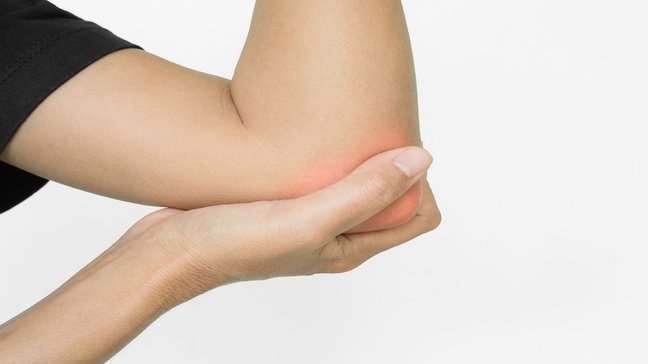
Bursitis (Olecranon bursitis)
Olecranon bursitis, also known as elbow bursitis, is a common condition in which the bursa (bursa olecrani) becomes inflamed. This bursa is located on the back of the elbow and serves as a cushion between the skin and the bony olecranon. The…
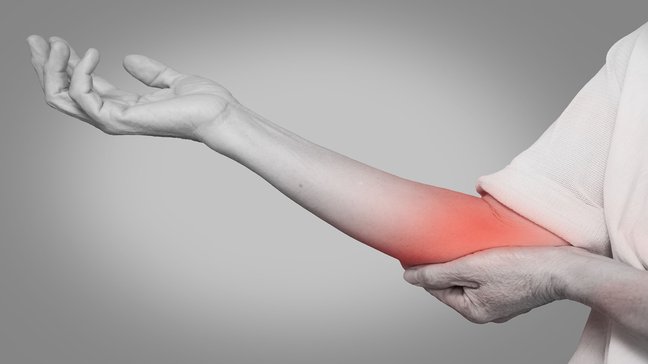
Rupture of the ulnar collateral ligament (UCL rupture)
A rupture of the ulnar collateral ligament (UCL rupture) is an injury to the ligament that connects the humerus (upper arm bone) to the ulna (forearm bone) in the area of the elbow joint. The UCL is crucial for the stability of the elbow, especially…
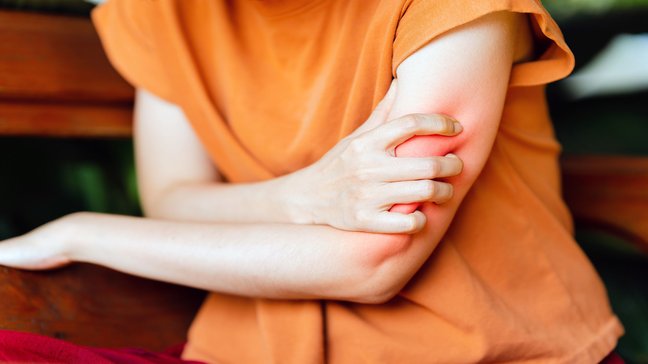
Distal biceps tendon rupture
A rupture of the distal biceps tendon refers to the complete or partial severing of the tendon that connects the biceps muscle to the radial bone in the elbow area. This injury often occurs in middle-aged men and is usually caused by a sudden…
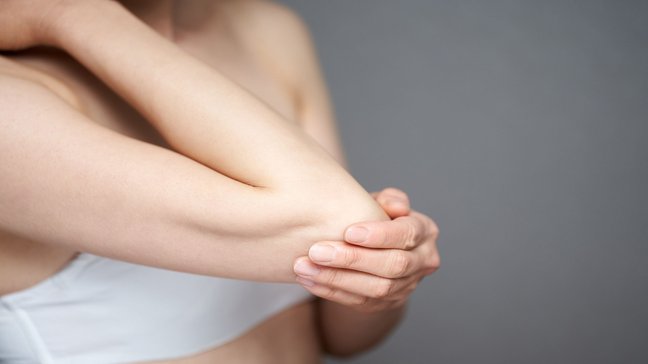
Golfer's elbow (medial epicondylitis)
Golfer's elbow, medically referred to as medial epicondylitis, is a painful overuse condition affecting the tendon attachments of the wrist and finger flexor muscles on the inside of the elbow. Despite its name, this condition does not only occur in…
Osteoarthritis in the elbow
Classification of Elbow Osteoarthritis
Elbow osteoarthritis can be divided into different categories:
- Primary osteoarthritis: A rare form that occurs without identifiable causes.
- Secondary osteoarthritis: The more common variant, caused by previous injuries, inflammatory diseases, or excessive mechanical stress.
- Post-traumatic osteoarthritis: Develops after fractures, dislocations, or other injuries that damage the joint structure.
- Inflammatory osteoarthritis: Develops as a result of diseases such as rheumatoid arthritis or gout.
Causes of osteoarthritis in the elbow
The main causes of elbow osteoarthritis can be divided into several categories:
Mechanical overload:
Repeated movements, as seen in manual professions, certain sports, or playing instruments, lead to increased wear of the cartilage.
Injuries:
Fractures, ligament injuries, or dislocations that make the joint unstable can accelerate cartilage degradation.
Inflammatory diseases:
Chronic inflammations such as rheumatoid arthritis or psoriatic arthritis cause lasting damage to joint structures.
Age-related wear:
With increasing age, the joint cartilage loses its elasticity and resilience, making it more susceptible to damage.
Symptoms of osteoarthritis in the elbow
The symptoms of elbow osteoarthritis usually develop slowly and worsen as the disease progresses. The most common complaints include:
- Pain: Initially, pain occurs only during movement, later also at rest.
- Movement restrictions: Difficulties in bending, stretching, or rotating the elbow.
- Loss of strength: Decrease in grip strength and the ability to hold heavy objects.
- Grinding and rubbing: Noises when moving the joint, caused by the loss of the smooth cartilage covering.
- Swelling: As a result of inflammatory reactions or increased joint fluid.
- Deformities: In advanced stages, visible changes in the joint area may occur.
Diagnosis of osteoarthritis in the elbow
The diagnosis of elbow osteoarthritis is carried out in several steps:
- **Medical history:** The doctor inquires about the patient's medical history, existing complaints, and previous injuries or inflammations.
- **Physical examination:** The range of motion, joint stability, and tenderness are assessed.
- **Imaging techniques:**
- **X-ray:** Visualization of joint space narrowing, osteophytes (bone spurs), and other changes.
- **MRI:** Detailed analysis of cartilage damage and soft tissue changes.
Treatment options for osteoarthritis in the elbow
Conservative Therapy
In most cases, elbow osteoarthritis can be treated without surgery:
- Physiotherapy:
- Strengthening exercises: Strengthening the muscles to stabilize the joint.
- Stretching exercises: Promoting mobility and alleviating stiffness.
- Pain and anti-inflammatory medication:
- Use of non-steroidal anti-inflammatory drugs (NSAIDs) for symptom relief.
- Aids:
- Orthoses or bandages to relieve the elbow.
- Shock wave therapy:
- Application of sound waves to stimulate healing processes in the tissue.
Surgical Therapy
If conservative measures are not sufficient, various surgical procedures are available:
- Arthroscopic joint cleaning: Removal of loose joint bodies and smoothing of cartilage surfaces.
- Joint replacement: In severe cases, an elbow prosthesis is used to replace the damaged joint.
- Osteotomies: Corrective procedures to restore joint function.
Preventive measures for osteoarthritis in the elbow
To prevent elbow osteoarthritis, the following measures are recommended:
- Ergonomic work practices: Optimization of working conditions to protect the joint.
- Regular exercise: Promotion of joint health through targeted exercises.
- Avoidance of overloading: Adjustment of stress in professional or sports activities.
- Healthy diet: Supply of nutrients such as calcium and vitamin D to support bone and cartilage health.
- Early detection: Regular examinations at the first signs of discomfort to prevent the progression of the disease.
Bursitis (Olecranon bursitis)
Olecranon bursitis, also known as elbow bursitis, is a common condition in which the bursa (bursa olecrani) becomes inflamed. This bursa is located on the back of the elbow and serves as a cushion between the skin and the bony olecranon. The…
Rupture of the ulnar collateral ligament (UCL rupture)
A rupture of the ulnar collateral ligament (UCL rupture) is an injury to the ligament that connects the humerus (upper arm bone) to the ulna (forearm bone) in the area of the elbow joint. The UCL is crucial for the stability of the elbow, especially…
Distal biceps tendon rupture
A rupture of the distal biceps tendon refers to the complete or partial severing of the tendon that connects the biceps muscle to the radial bone in the elbow area. This injury often occurs in middle-aged men and is usually caused by a sudden…
Golfer's elbow (medial epicondylitis)
Golfer's elbow, medically referred to as medial epicondylitis, is a painful overuse condition affecting the tendon attachments of the wrist and finger flexor muscles on the inside of the elbow. Despite its name, this condition does not only occur in…