

Morton Neuroma
Classification of Morton Neuromas
Morton neuromas can be classified according to their location and progression:
- Single neuromas: Affect only one foot, usually between the third and fourth metatarsal bones.
- Multiple neuromas: Affect several nerves in the same or both feet.
- Early stage: Pain occurs only with pressure or stress, without lasting symptoms.
- Chronic stage: Pain and numbness persist even at rest, accompanied by a permanent foreign body sensation.
Causes of Morton Neuroma
The causes of Morton neuromas are varied and include:
- Mechanical stress:
- Tight footwear and high heels increase pressure on the forefoot and irritate the nerves.
- Foot deformities:
- Flatfoot, splayfoot, or high arches lead to improper loading of the forefoot.
- Sport-related overuse:
- Running and jumping sports increase the load on the midfoot area.
- Traumatic injuries:
- Bruises or repeated micro-injuries can irritate the nerves.
- Inflammatory processes:
- Local inflammation in the forefoot area can contribute to the formation of a Morton neuroma.
Symptoms of Morton neuroma
The symptoms of a Morton neuroma are characteristic and primarily affect the forefoot area:
- **Stabbing pain:** Especially between the third and fourth toes, often described as "burning" or "electrifying."
- **Numbness:** Sensory disturbances or tingling in the toes.
- **Foreign body sensation:** Feeling as if there is a small stone in the shoe.
- **Increased discomfort under load:** Pain increases with prolonged standing, walking, or wearing tight shoes.
- **Relief through shoe change:** Walking barefoot or wearing wide shoes alleviates the discomfort.
Diagnosis of Morton Neuroma
The diagnosis is based on a thorough medical history, clinical examinations, and supplementary imaging techniques:
- Medical History:
- The doctor inquires about typical symptoms such as pain location, type of footwear, and load habits.
- Clinical Examination:
- Palpation of the forefoot with pressure on the affected area to provoke pain.
- Mulder's sign: Increased pain by compressing the forefoot laterally.
- Imaging Techniques:
- Ultrasound: Visualization of thickenings or inflammations in the nerve tissue.
- MRI: Precise imaging of the neuroma and exclusion of other causes such as tumors or cysts.
Treatment options for Morton neuroma
Conservative Therapy
Most Morton neuromas can be treated with non-operative measures:
- Shoe adjustment:
- Wearing comfortable, wide shoes with flat heels and good cushioning.
- Orthopedic insoles:
- Special insoles for pressure relief and arch support.
- Physiotherapy:
- Exercises to strengthen the foot muscles and improve mobility.
- Medication therapy:
- Taking NSAIDs for pain relief and anti-inflammation.
- Injections:
- Cortisone or anesthetic injections to relieve acute symptoms.
Surgical Therapy
If conservative measures are not sufficient, a surgical procedure may be necessary:
- Excision of the neuroma:
- Removal of the thickened nerve tissue, often with long-lasting symptom relief.
- Decompression:
- Expansion of the midfoot area by releasing constricting structures.
Preventive measures for Morton neuroma.
The following measures are helpful in preventing a Morton’s neuroma:
- Avoiding tight shoes: Comfortable, flat shoes with enough room for the toes.
- Changing shoes: Regularly wearing different types of shoes to relieve the foot.
- Orthopedic support: Using insoles to stabilize the foot in case of misalignments.
- Regular exercise: Promoting foot health through joint-friendly sports like swimming or yoga.
- Weight reduction: Avoiding overweight to reduce the load on the forefoot.
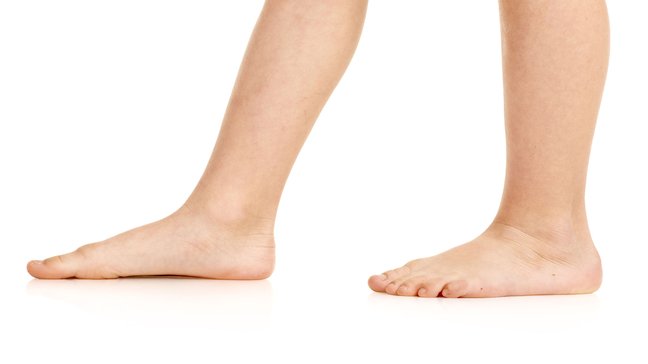
Adducted foot (Pes Adductus)
The sickle foot, medically referred to as Pes Adductus, is a deformity of the foot where the front part of the foot deviates inward while the heel remains straight. This deformity often occurs in newborns and young children and is usually congenital.…

Fallen/Spread Foot
The flat/splayfoot is a common foot deformity characterized by a flattening of the longitudinal arch (flatfoot) and/or a widening of the forefoot due to a lowered transverse arch (splayfoot). These deformities often occur together and can lead to…
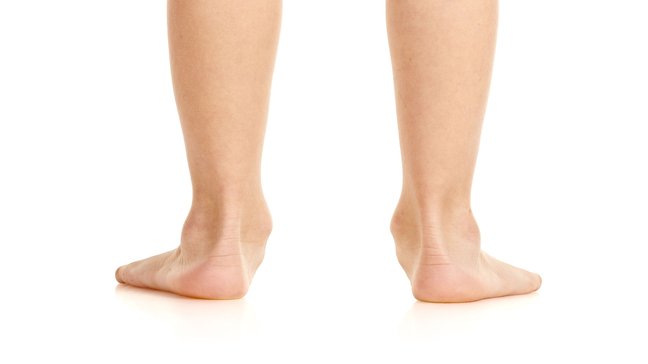
Knick-sink-foot
The flat-valgus foot (pes planovalgus) is a common foot deformity in which the longitudinal arch of the foot is flattened (flatfoot), and the heel tilts inward (valgus foot). This deformity can occur in both children and adults. While it is often…
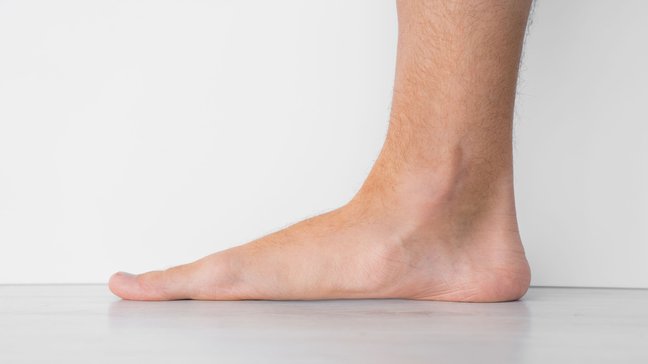
Flatfoot (Pes Planus)
A flatfoot, medically referred to as pes planus, is a foot deformity where the arch of the foot is flattened or completely absent. This condition can be congenital or acquired and often occurs in both children and adults. While mild forms often…
Morton Neuroma
Classification of Morton Neuromas
Morton neuromas can be classified according to their location and progression:
- Single neuromas: Affect only one foot, usually between the third and fourth metatarsal bones.
- Multiple neuromas: Affect several nerves in the same or both feet.
- Early stage: Pain occurs only with pressure or stress, without lasting symptoms.
- Chronic stage: Pain and numbness persist even at rest, accompanied by a permanent foreign body sensation.
Causes of Morton Neuroma
The causes of Morton neuromas are varied and include:
- Mechanical stress:
- Tight footwear and high heels increase pressure on the forefoot and irritate the nerves.
- Foot deformities:
- Flatfoot, splayfoot, or high arches lead to improper loading of the forefoot.
- Sport-related overuse:
- Running and jumping sports increase the load on the midfoot area.
- Traumatic injuries:
- Bruises or repeated micro-injuries can irritate the nerves.
- Inflammatory processes:
- Local inflammation in the forefoot area can contribute to the formation of a Morton neuroma.
Symptoms of Morton neuroma
The symptoms of a Morton neuroma are characteristic and primarily affect the forefoot area:
- **Stabbing pain:** Especially between the third and fourth toes, often described as "burning" or "electrifying."
- **Numbness:** Sensory disturbances or tingling in the toes.
- **Foreign body sensation:** Feeling as if there is a small stone in the shoe.
- **Increased discomfort under load:** Pain increases with prolonged standing, walking, or wearing tight shoes.
- **Relief through shoe change:** Walking barefoot or wearing wide shoes alleviates the discomfort.
Diagnosis of Morton Neuroma
The diagnosis is based on a thorough medical history, clinical examinations, and supplementary imaging techniques:
- Medical History:
- The doctor inquires about typical symptoms such as pain location, type of footwear, and load habits.
- Clinical Examination:
- Palpation of the forefoot with pressure on the affected area to provoke pain.
- Mulder's sign: Increased pain by compressing the forefoot laterally.
- Imaging Techniques:
- Ultrasound: Visualization of thickenings or inflammations in the nerve tissue.
- MRI: Precise imaging of the neuroma and exclusion of other causes such as tumors or cysts.
Treatment options for Morton neuroma
Conservative Therapy
Most Morton neuromas can be treated with non-operative measures:
- Shoe adjustment:
- Wearing comfortable, wide shoes with flat heels and good cushioning.
- Orthopedic insoles:
- Special insoles for pressure relief and arch support.
- Physiotherapy:
- Exercises to strengthen the foot muscles and improve mobility.
- Medication therapy:
- Taking NSAIDs for pain relief and anti-inflammation.
- Injections:
- Cortisone or anesthetic injections to relieve acute symptoms.
Surgical Therapy
If conservative measures are not sufficient, a surgical procedure may be necessary:
- Excision of the neuroma:
- Removal of the thickened nerve tissue, often with long-lasting symptom relief.
- Decompression:
- Expansion of the midfoot area by releasing constricting structures.
Preventive measures for Morton neuroma.
The following measures are helpful in preventing a Morton’s neuroma:
- Avoiding tight shoes: Comfortable, flat shoes with enough room for the toes.
- Changing shoes: Regularly wearing different types of shoes to relieve the foot.
- Orthopedic support: Using insoles to stabilize the foot in case of misalignments.
- Regular exercise: Promoting foot health through joint-friendly sports like swimming or yoga.
- Weight reduction: Avoiding overweight to reduce the load on the forefoot.
Adducted foot (Pes Adductus)
The sickle foot, medically referred to as Pes Adductus, is a deformity of the foot where the front part of the foot deviates inward while the heel remains straight. This deformity often occurs in newborns and young children and is usually congenital.…
Fallen/Spread Foot
The flat/splayfoot is a common foot deformity characterized by a flattening of the longitudinal arch (flatfoot) and/or a widening of the forefoot due to a lowered transverse arch (splayfoot). These deformities often occur together and can lead to…
Knick-sink-foot
The flat-valgus foot (pes planovalgus) is a common foot deformity in which the longitudinal arch of the foot is flattened (flatfoot), and the heel tilts inward (valgus foot). This deformity can occur in both children and adults. While it is often…
Flatfoot (Pes Planus)
A flatfoot, medically referred to as pes planus, is a foot deformity where the arch of the foot is flattened or completely absent. This condition can be congenital or acquired and often occurs in both children and adults. While mild forms often…