

Metatarsalgia
Classification of Metatarsalgia
Metatarsalgia can be divided into different categories based on cause and location:
- Primary Metatarsalgia: Caused by anatomical or biomechanical changes, such as foot deformities or uneven load distribution.
- Secondary Metatarsalgia: Arises from conditions like rheumatoid arthritis, gout, or diabetes mellitus.
- Mechanical Metatarsalgia: Caused by overuse, e.g., from prolonged standing, walking, or unsuitable footwear.
- Neuropathic Metatarsalgia: Pain due to nerve irritations, e.g., Morton’s neuroma or peripheral neuropathies.
Causes of metatarsalgia
The main causes of metatarsalgia are varied and include:
- Mechanical overload:
- Prolonged standing, walking, or intense sports activities excessively strain the metatarsal bones.
- Inappropriate footwear, especially shoes with high heels or poor cushioning.
- Foot deformities:
- Flatfoot, splayfoot, or hallux valgus alter the load distribution in the forefoot.
- Degenerative changes:
- Age-related cartilage and tissue wear can cause pain.
- Inflammatory diseases:
- Diseases such as rheumatoid arthritis or gout lead to inflammation in the foot area.
- Neuropathies:
- Nerve compressions, such as Morton's neuroma, cause burning or stabbing pain.
Symptoms of metatarsalgia
The symptoms of metatarsalgia vary depending on the cause and severity of the condition:
- **Local pain:** Pain usually occurs under the metatarsal heads and intensifies with exertion.
- **Tenderness:** The area under the toe joints is sensitive to pressure.
- **Burning sensation:** A burning pain or numbness, especially with neuropathic causes.
- **Swelling:** Visible or palpable swelling in the forefoot area.
- **Movement restrictions:** Difficulty walking, especially on uneven ground or when walking barefoot.
- **Gait changes:** Limping or adopting protective postures to avoid pain.
Diagnosis of metatarsalgia
The diagnosis is made through a combination of medical history, clinical examination, and imaging techniques:
- Medical history:
- The doctor inquires about the duration, type, and intensity of the symptoms as well as possible triggers such as footwear or stress.
- Clinical examination:
- Checking for foot deformities, tenderness, and mobility of the toes.
- Imaging techniques:
- X-ray: Visualization of bone deformities or degenerative changes.
- MRI: Detection of soft tissue damage or inflammation.
- Ultrasound: Examination of nerve and tendon changes.
Treatment options for metatarsalgia
Conservative Therapy
In most cases, metatarsalgia can be treated without surgery:
- Orthopedic Insoles:
- Special shoe inserts or pads to relieve the metatarsal bones.
- Physiotherapy:
- Exercises to strengthen the foot muscles and improve mobility.
- Medication Therapy:
- NSAIDs to relieve pain and inflammation.
- Shoe Adjustment:
- Use of comfortable, well-cushioned shoes with flat heels.
- Cold Therapy:
- Application of cold packs to reduce swelling and pain.
Surgical Therapy
In severe or chronic cases, surgery may be necessary:
- Osteotomy:
- Correction of bone misalignments to improve load distribution.
- Removal of Morton Neuromas:
- Surgical removal of painful nerve knots.
- Arthroplasty:
- Restoration or replacement of damaged joint structures.
Preventive measures for metatarsalgia
To prevent metatarsalgia, the following measures are recommended:
- Wearing appropriate shoes: Shoes with good cushioning and enough space for the toes.
- Avoiding overstrain: Regular breaks during long periods of walking or standing.
- Strengthening the foot muscles: Exercises to improve stability and flexibility.
- Weight reduction: Reducing the load on the forefoot through a healthy body weight.
- Early treatment of foot deformities: Use of orthopedic insoles at the first signs of deformities.
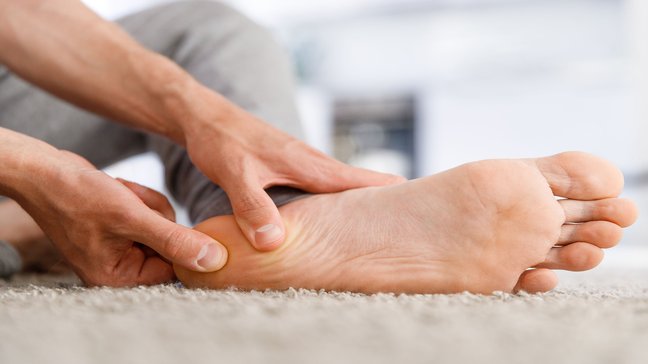
Heel pain
Heel pain is a common complaint that can affect people of all ages. It can be triggered by numerous factors, including overuse, misalignments, inflammation, or injuries. Heel pain often impairs the mobility and quality of life of those affected, as…
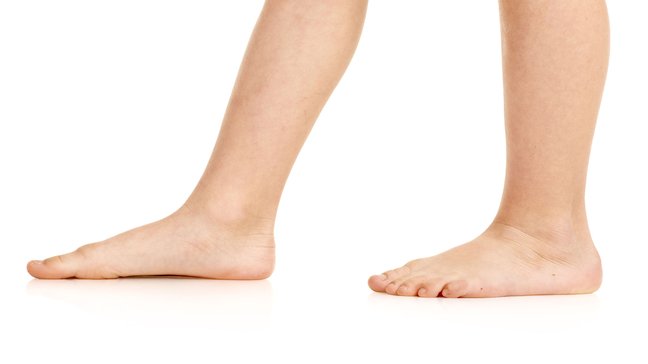
Adducted foot (Pes Adductus)
The sickle foot, medically referred to as Pes Adductus, is a deformity of the foot where the front part of the foot deviates inward while the heel remains straight. This deformity often occurs in newborns and young children and is usually congenital.…
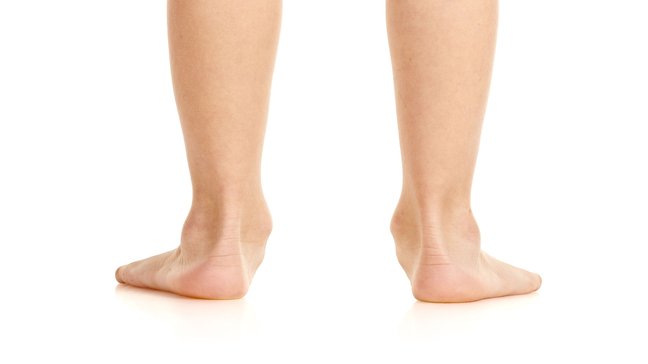
Knick-sink-foot
The flat-valgus foot (pes planovalgus) is a common foot deformity in which the longitudinal arch of the foot is flattened (flatfoot), and the heel tilts inward (valgus foot). This deformity can occur in both children and adults. While it is often…
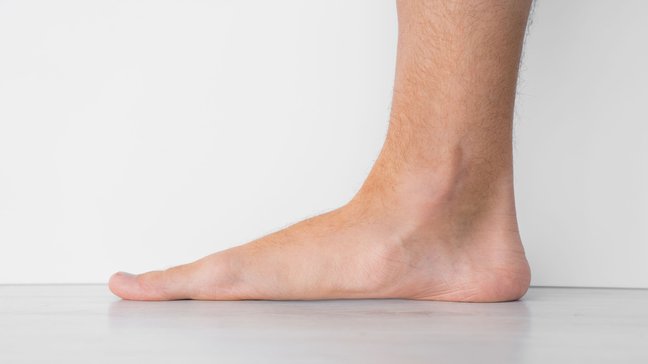
Flatfoot (Pes Planus)
A flatfoot, medically referred to as pes planus, is a foot deformity where the arch of the foot is flattened or completely absent. This condition can be congenital or acquired and often occurs in both children and adults. While mild forms often…
Metatarsalgia
Classification of Metatarsalgia
Metatarsalgia can be divided into different categories based on cause and location:
- Primary Metatarsalgia: Caused by anatomical or biomechanical changes, such as foot deformities or uneven load distribution.
- Secondary Metatarsalgia: Arises from conditions like rheumatoid arthritis, gout, or diabetes mellitus.
- Mechanical Metatarsalgia: Caused by overuse, e.g., from prolonged standing, walking, or unsuitable footwear.
- Neuropathic Metatarsalgia: Pain due to nerve irritations, e.g., Morton’s neuroma or peripheral neuropathies.
Causes of metatarsalgia
The main causes of metatarsalgia are varied and include:
- Mechanical overload:
- Prolonged standing, walking, or intense sports activities excessively strain the metatarsal bones.
- Inappropriate footwear, especially shoes with high heels or poor cushioning.
- Foot deformities:
- Flatfoot, splayfoot, or hallux valgus alter the load distribution in the forefoot.
- Degenerative changes:
- Age-related cartilage and tissue wear can cause pain.
- Inflammatory diseases:
- Diseases such as rheumatoid arthritis or gout lead to inflammation in the foot area.
- Neuropathies:
- Nerve compressions, such as Morton's neuroma, cause burning or stabbing pain.
Symptoms of metatarsalgia
The symptoms of metatarsalgia vary depending on the cause and severity of the condition:
- **Local pain:** Pain usually occurs under the metatarsal heads and intensifies with exertion.
- **Tenderness:** The area under the toe joints is sensitive to pressure.
- **Burning sensation:** A burning pain or numbness, especially with neuropathic causes.
- **Swelling:** Visible or palpable swelling in the forefoot area.
- **Movement restrictions:** Difficulty walking, especially on uneven ground or when walking barefoot.
- **Gait changes:** Limping or adopting protective postures to avoid pain.
Diagnosis of metatarsalgia
The diagnosis is made through a combination of medical history, clinical examination, and imaging techniques:
- Medical history:
- The doctor inquires about the duration, type, and intensity of the symptoms as well as possible triggers such as footwear or stress.
- Clinical examination:
- Checking for foot deformities, tenderness, and mobility of the toes.
- Imaging techniques:
- X-ray: Visualization of bone deformities or degenerative changes.
- MRI: Detection of soft tissue damage or inflammation.
- Ultrasound: Examination of nerve and tendon changes.
Treatment options for metatarsalgia
Conservative Therapy
In most cases, metatarsalgia can be treated without surgery:
- Orthopedic Insoles:
- Special shoe inserts or pads to relieve the metatarsal bones.
- Physiotherapy:
- Exercises to strengthen the foot muscles and improve mobility.
- Medication Therapy:
- NSAIDs to relieve pain and inflammation.
- Shoe Adjustment:
- Use of comfortable, well-cushioned shoes with flat heels.
- Cold Therapy:
- Application of cold packs to reduce swelling and pain.
Surgical Therapy
In severe or chronic cases, surgery may be necessary:
- Osteotomy:
- Correction of bone misalignments to improve load distribution.
- Removal of Morton Neuromas:
- Surgical removal of painful nerve knots.
- Arthroplasty:
- Restoration or replacement of damaged joint structures.
Preventive measures for metatarsalgia
To prevent metatarsalgia, the following measures are recommended:
- Wearing appropriate shoes: Shoes with good cushioning and enough space for the toes.
- Avoiding overstrain: Regular breaks during long periods of walking or standing.
- Strengthening the foot muscles: Exercises to improve stability and flexibility.
- Weight reduction: Reducing the load on the forefoot through a healthy body weight.
- Early treatment of foot deformities: Use of orthopedic insoles at the first signs of deformities.
Heel pain
Heel pain is a common complaint that can affect people of all ages. It can be triggered by numerous factors, including overuse, misalignments, inflammation, or injuries. Heel pain often impairs the mobility and quality of life of those affected, as…
Adducted foot (Pes Adductus)
The sickle foot, medically referred to as Pes Adductus, is a deformity of the foot where the front part of the foot deviates inward while the heel remains straight. This deformity often occurs in newborns and young children and is usually congenital.…
Knick-sink-foot
The flat-valgus foot (pes planovalgus) is a common foot deformity in which the longitudinal arch of the foot is flattened (flatfoot), and the heel tilts inward (valgus foot). This deformity can occur in both children and adults. While it is often…
Flatfoot (Pes Planus)
A flatfoot, medically referred to as pes planus, is a foot deformity where the arch of the foot is flattened or completely absent. This condition can be congenital or acquired and often occurs in both children and adults. While mild forms often…