

Massages
When are massages used?
Massages are used for various ailments and to promote general health, including:
- Muscle tension and pain
- Stress and tension
- Back pain
- Headaches and migraines
- Rehabilitation after injuries
- Improvement of mobility and flexibility
- Promotion of circulation and lymphatic drainage
Benefits of Massages
- Pain relief: Effectively reduces muscle and joint pain.
- Relaxation: Promotes overall relaxation and stress reduction.
- Improvement of circulation: Increases circulation and supports healing.
- Flexibility: Improves mobility and flexibility of muscles and joints.
- Well-being: Enhances overall well-being and quality of life.
- Non-invasive: No surgery or injections required.
Performing massages
- Examination: The therapist conducts a brief medical history to understand the individual needs of the patient.
- Treatment: The massage is performed using various techniques, including kneading, stroking, and pressing, to relax the muscles and promote circulation.
- Duration of treatment: A session usually lasts between 30 and 60 minutes.
- Frequency of sessions: Regular sessions can be arranged as needed.
What you need to consider before a massage
- Health issues: Inform the therapist about existing health problems, especially skin conditions, open wounds, or acute injuries.
- Medications: Inform the therapist if you are taking blood-thinning medications.
- Preparation: No special preparations are required, but it is advisable to shower before the session and avoid heavy meals.
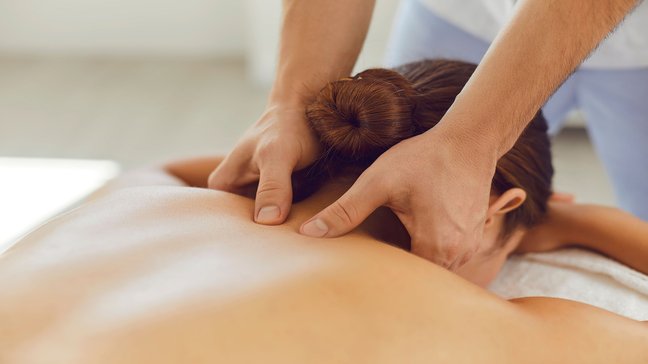
Trigger point therapy
Trigger point therapy is a manual treatment method that targets the specific treatment of muscle tension and pain points, known as trigger points. These points are often palpable as small, hardened knots in the muscle tissue and can radiate pain.…
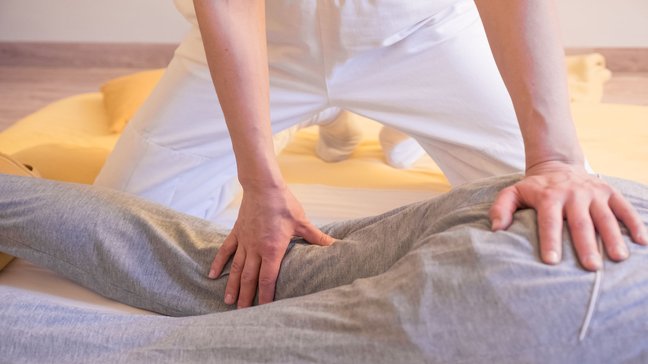
Bowen Therapy
Bowen therapy is a gentle, manual treatment method aimed at the holistic promotion of healing and well-being. It was developed by the Australian Tom Bowen and involves light, precise movements performed at specific points on the body. These movements…
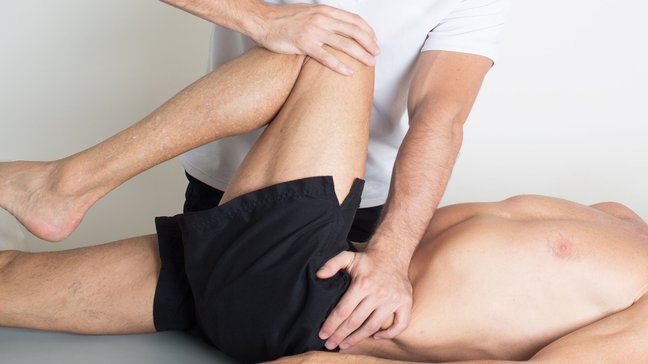
Rolfing (Structural Integration)
Rolfing, also known as Structural Integration, is a holistic manual therapy that aims to improve posture and movement patterns. By specifically manipulating the connective tissue (fascia), it seeks to correct misalignments and optimize mobility.…
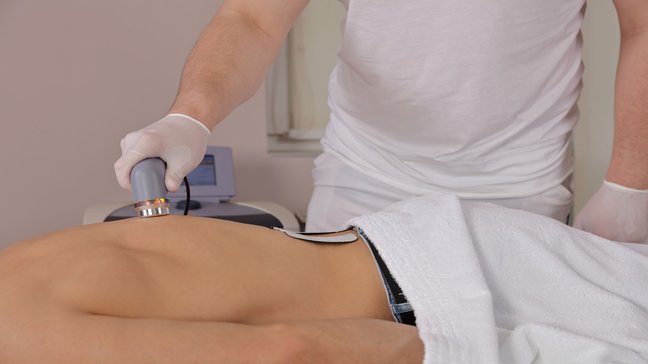
Myofascial therapy
Myofascial therapy is a manual treatment method that aims at the examination and treatment of muscle and connective tissue tensions. This method focuses on the myofascial tissue, a network of muscles and fascia that runs throughout the entire body.…
Massages
When are massages used?
Massages are used for various ailments and to promote general health, including:
- Muscle tension and pain
- Stress and tension
- Back pain
- Headaches and migraines
- Rehabilitation after injuries
- Improvement of mobility and flexibility
- Promotion of circulation and lymphatic drainage
Benefits of Massages
- Pain relief: Effectively reduces muscle and joint pain.
- Relaxation: Promotes overall relaxation and stress reduction.
- Improvement of circulation: Increases circulation and supports healing.
- Flexibility: Improves mobility and flexibility of muscles and joints.
- Well-being: Enhances overall well-being and quality of life.
- Non-invasive: No surgery or injections required.
Performing massages
- Examination: The therapist conducts a brief medical history to understand the individual needs of the patient.
- Treatment: The massage is performed using various techniques, including kneading, stroking, and pressing, to relax the muscles and promote circulation.
- Duration of treatment: A session usually lasts between 30 and 60 minutes.
- Frequency of sessions: Regular sessions can be arranged as needed.
What you need to consider before a massage
- Health issues: Inform the therapist about existing health problems, especially skin conditions, open wounds, or acute injuries.
- Medications: Inform the therapist if you are taking blood-thinning medications.
- Preparation: No special preparations are required, but it is advisable to shower before the session and avoid heavy meals.
Trigger point therapy
Trigger point therapy is a manual treatment method that targets the specific treatment of muscle tension and pain points, known as trigger points. These points are often palpable as small, hardened knots in the muscle tissue and can radiate pain.…
Bowen Therapy
Bowen therapy is a gentle, manual treatment method aimed at the holistic promotion of healing and well-being. It was developed by the Australian Tom Bowen and involves light, precise movements performed at specific points on the body. These movements…
Rolfing (Structural Integration)
Rolfing, also known as Structural Integration, is a holistic manual therapy that aims to improve posture and movement patterns. By specifically manipulating the connective tissue (fascia), it seeks to correct misalignments and optimize mobility.…
Myofascial therapy
Myofascial therapy is a manual treatment method that aims at the examination and treatment of muscle and connective tissue tensions. This method focuses on the myofascial tissue, a network of muscles and fascia that runs throughout the entire body.…