

Manual Therapy
Was ist Manuelle Therapie?
Bei der Manuellen Therapie werden Beweglichkeit und Funktion von Gelenken, Muskeln und angrenzenden Strukturen mit den Händen untersucht und behandelt. Je nach Befund können unterschiedliche Mobilisations-, Dehnungs- und Weichteiltechniken eingesetzt werden.
Die Manuelle Therapie ist Teil der Manuellen Medizin und kann sowohl zur Untersuchung von Funktionsstörungen als auch als Bestandteil eines umfassenderen Behandlungskonzepts eingesetzt werden.
When is manual therapy used?
Manual therapy is used for various complaints and conditions, including:
- Back pain and neck pain
- Joint complaints (e.g., knee, shoulder, hip)
- Muscle tension
- Movement restrictions
- Osteoarthritis
- Headaches and migraines
- Sports injuries
Manuelle Therapie bei Rücken- und Nackenschmerzen
Bei Rücken- und Nackenschmerzen können Funktionsstörungen der Wirbelsäule, eingeschränkte Beweglichkeit und muskuläre Verspannungen eine Rolle spielen. Im Rahmen der Manuellen Therapie werden Beweglichkeit und Funktion der betroffenen Bereiche untersucht und bei entsprechender Indikation mit gezielten manuellen Techniken behandelt.
Je nach Ursache der Beschwerden kann die manuelle Behandlung mit Physiotherapie, gezielten Übungen und einem individuellen Trainingsprogramm kombiniert werden.
Manuelle Therapie bei Gelenkbeschwerden
Manuelle Therapie kann auch bei funktionellen Beschwerden und Bewegungseinschränkungen verschiedener Gelenke eingesetzt werden. Häufig behandelt werden beispielsweise Schulter, Hüfte und Knie.
Mit Mobilisationstechniken können Bewegungsumfang und Gelenkfunktion gezielt beeinflusst werden. Ob eine manuelle Behandlung geeignet ist, hängt von der zugrunde liegenden Erkrankung und dem individuellen Befund ab.
Advantages of Manual Therapy
- Pain relief: Effective reduction of pain through targeted maneuvers.
- Improvement of mobility: Increases the mobility and flexibility of the joints.
- Muscle relaxation: Relieves muscle tension and improves muscle function.
- Non-invasive: No surgery or injections required.
- Individually tailored: The treatment is tailored to the specific needs of the patient.
Manual Therapy Execution
- Examination: The therapist conducts a thorough examination to identify the causes of the complaints.
- Treatment: With special techniques, the therapist mobilizes the joints, stretches the muscles, and releases blockages.
- Duration of treatment: A session usually lasts between 30 and 60 minutes.
- Frequency of sessions: Depending on the severity and type of complaints, several sessions per week may be necessary.
What you need to consider before manual therapy
- Health issues: Inform the therapist about existing health issues, especially in cases of osteoporosis or recent injuries.
- Medications: Inform the therapist if you are taking blood-thinning medications.
- Preparation: No special preparations are required.
Debriefing and Consultation
After the manual therapy, the therapist will discuss the results and your reaction to the treatment. The therapist will assess whether further sessions are necessary and how the therapy can be integrated into the overall treatment plan. Additional recommendations may include exercises, other physiotherapeutic measures, or adjustments in daily life to support healing and pain relief.
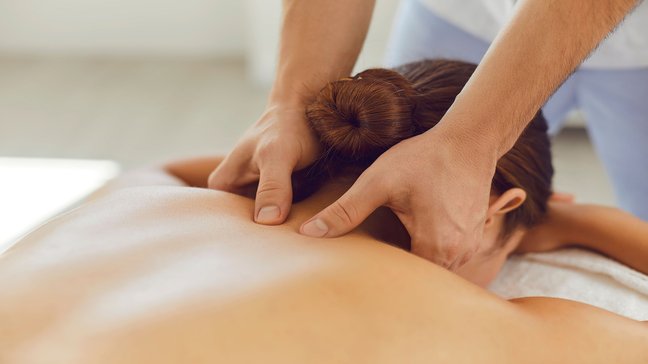
Trigger point therapy
Trigger point therapy is a manual treatment method that targets the specific treatment of muscle tension and pain points, known as trigger points. These points are often palpable as small, hardened knots in the muscle tissue and can radiate pain.…
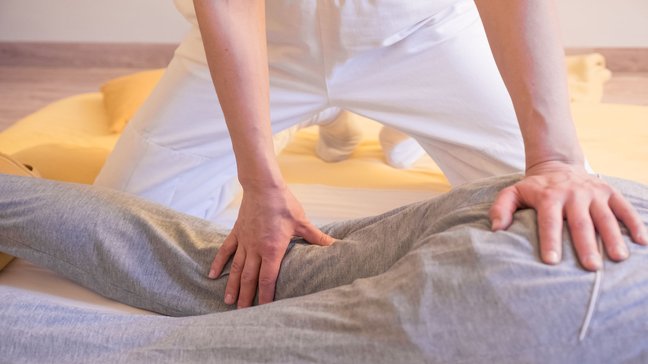
Bowen Therapy
Bowen therapy is a gentle, manual treatment method aimed at the holistic promotion of healing and well-being. It was developed by the Australian Tom Bowen and involves light, precise movements performed at specific points on the body. These movements…
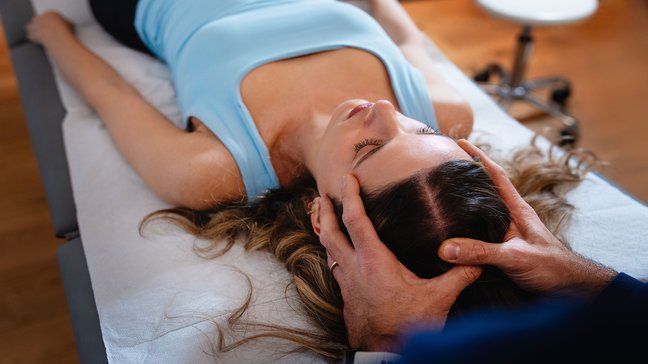
Craniosacral Therapy
Craniosacral therapy is a gentle, manual treatment method that aims to examine and correct the craniosacral system. This system includes the membranes and fluids that surround and protect the brain and spinal cord. Through light touches and…
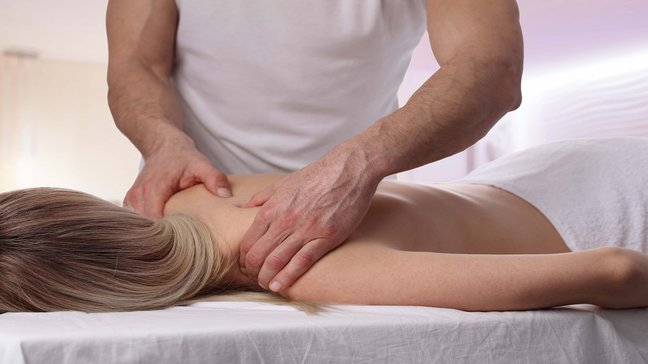
Osteopathy
Osteopathy is a holistic, manual therapy that is based on the diagnosis and treatment of functional disorders of the body. It focuses on the mobility and function of muscles, joints, and connective tissue and aims to activate the body's self-healing…
Manual Therapy
Was ist Manuelle Therapie?
Bei der Manuellen Therapie werden Beweglichkeit und Funktion von Gelenken, Muskeln und angrenzenden Strukturen mit den Händen untersucht und behandelt. Je nach Befund können unterschiedliche Mobilisations-, Dehnungs- und Weichteiltechniken eingesetzt werden.
Die Manuelle Therapie ist Teil der Manuellen Medizin und kann sowohl zur Untersuchung von Funktionsstörungen als auch als Bestandteil eines umfassenderen Behandlungskonzepts eingesetzt werden.
When is manual therapy used?
Manual therapy is used for various complaints and conditions, including:
- Back pain and neck pain
- Joint complaints (e.g., knee, shoulder, hip)
- Muscle tension
- Movement restrictions
- Osteoarthritis
- Headaches and migraines
- Sports injuries
Manuelle Therapie bei Rücken- und Nackenschmerzen
Bei Rücken- und Nackenschmerzen können Funktionsstörungen der Wirbelsäule, eingeschränkte Beweglichkeit und muskuläre Verspannungen eine Rolle spielen. Im Rahmen der Manuellen Therapie werden Beweglichkeit und Funktion der betroffenen Bereiche untersucht und bei entsprechender Indikation mit gezielten manuellen Techniken behandelt.
Je nach Ursache der Beschwerden kann die manuelle Behandlung mit Physiotherapie, gezielten Übungen und einem individuellen Trainingsprogramm kombiniert werden.
Manuelle Therapie bei Gelenkbeschwerden
Manuelle Therapie kann auch bei funktionellen Beschwerden und Bewegungseinschränkungen verschiedener Gelenke eingesetzt werden. Häufig behandelt werden beispielsweise Schulter, Hüfte und Knie.
Mit Mobilisationstechniken können Bewegungsumfang und Gelenkfunktion gezielt beeinflusst werden. Ob eine manuelle Behandlung geeignet ist, hängt von der zugrunde liegenden Erkrankung und dem individuellen Befund ab.
Advantages of Manual Therapy
- Pain relief: Effective reduction of pain through targeted maneuvers.
- Improvement of mobility: Increases the mobility and flexibility of the joints.
- Muscle relaxation: Relieves muscle tension and improves muscle function.
- Non-invasive: No surgery or injections required.
- Individually tailored: The treatment is tailored to the specific needs of the patient.
Manual Therapy Execution
- Examination: The therapist conducts a thorough examination to identify the causes of the complaints.
- Treatment: With special techniques, the therapist mobilizes the joints, stretches the muscles, and releases blockages.
- Duration of treatment: A session usually lasts between 30 and 60 minutes.
- Frequency of sessions: Depending on the severity and type of complaints, several sessions per week may be necessary.
What you need to consider before manual therapy
- Health issues: Inform the therapist about existing health issues, especially in cases of osteoporosis or recent injuries.
- Medications: Inform the therapist if you are taking blood-thinning medications.
- Preparation: No special preparations are required.
Debriefing and Consultation
After the manual therapy, the therapist will discuss the results and your reaction to the treatment. The therapist will assess whether further sessions are necessary and how the therapy can be integrated into the overall treatment plan. Additional recommendations may include exercises, other physiotherapeutic measures, or adjustments in daily life to support healing and pain relief.
Trigger point therapy
Trigger point therapy is a manual treatment method that targets the specific treatment of muscle tension and pain points, known as trigger points. These points are often palpable as small, hardened knots in the muscle tissue and can radiate pain.…
Bowen Therapy
Bowen therapy is a gentle, manual treatment method aimed at the holistic promotion of healing and well-being. It was developed by the Australian Tom Bowen and involves light, precise movements performed at specific points on the body. These movements…
Craniosacral Therapy
Craniosacral therapy is a gentle, manual treatment method that aims to examine and correct the craniosacral system. This system includes the membranes and fluids that surround and protect the brain and spinal cord. Through light touches and…
Osteopathy
Osteopathy is a holistic, manual therapy that is based on the diagnosis and treatment of functional disorders of the body. It focuses on the mobility and function of muscles, joints, and connective tissue and aims to activate the body's self-healing…