

Iliopsoas shortening
Classification of Iliopsoas Shortenings
Iliopsoas shortenings can be classified according to cause and severity:
- Functional shortening:
- Temporary muscle shortening due to poor posture or overuse.
- Structural shortening:
- Permanent muscle shortening due to anatomical changes or scarring.
- Unilateral shortening:
- Affects only one side of the body and often leads to asymmetries.
- Bilateral shortening:
- Can cause a general restriction of hip mobility.
Causes of Iliopsoas Shortening
The causes of iliopsoas shortening are varied and include:
- Prolonged sitting:
- Continuous sitting in offices or vehicles leads to a permanent shortening of the iliopsoas muscle.
- Poor posture:
- A forward-tilted pelvic posture or a hollow back promotes shortening.
- Sport-related overuse:
- Intensive training, especially in sports like sprinting or cycling, can lead to overuse of the muscle.
- Injuries:
- After accidents or surgeries, protective postures can lead to shortening.
- Age-related changes:
- With increasing age, the muscle loses elasticity and is more prone to shortening.
Symptoms of iliopsoas shortening
The symptoms of an iliopsoas shortening are often nonspecific and vary depending on the severity:
- Pain:
- Back pain, especially in the lower back area, and hip pain during movement.
- Movement restrictions:
- Problems with extending the hip joint or straightening the body.
- Hollow back:
- An increased lordosis of the lumbar spine due to muscle shortening.
- Pulling sensations:
- An unpleasant pulling in the groin or thigh during stretching movements.
- Gait changes:
- A shortened gait or a limping gait pattern to avoid pain.
Diagnosis of iliopsoas shortening
The diagnosis is made through medical history, physical examination, and possibly imaging techniques:
- Medical history:
- The doctor inquires about typical symptoms, movement patterns, and possible triggers.
- Physical examination:
- Tests such as the Thomas test, which checks the mobility of the hip joint.
- Imaging techniques:
- Ultrasound: To assess the condition of the muscles.
- MRI: Visualization of accompanying symptoms such as inflammation or scar formation.
Treatment options for iliopsoas shortening
Conservative Therapy
In most cases, an iliopsoas shortening can be remedied through non-surgical measures:
- Stretching exercises:
- Regular stretching of the iliopsoas muscle to improve mobility.
- Physiotherapy:
- Targeted exercises to strengthen and stretch the muscle complex.
- Manual therapy:
- Treatment by physiotherapists to relieve tension.
- Ergonomic adjustments:
- Optimization of seating furniture and workplace design to reduce poor posture.
- Medication therapy:
- Painkillers and muscle-relaxing medications to alleviate acute symptoms.
Surgical Therapy
In rare cases, when conservative measures are not sufficient, a surgical procedure may be necessary:
- Fascia release:
- Surgical loosening of the surrounding tissue structures to improve mobility.
- Lengthening of the iliopsoas muscle:
- In extreme cases to correct a structural shortening.
Preventive measures for iliopsoas shortening
To prevent iliopsoas shortening, the following measures are helpful:
- Regular exercise: Promoting mobility through sports such as yoga or swimming.
- Ergonomic posture: Avoiding poor posture through optimal workplace design.
- Stretching exercises: Regular stretching of the hip flexor to maintain flexibility.
- Change of body position: Frequent standing up and moving around during sedentary activities.
- Strengthening the core muscles: Strengthening the abdominal and back muscles to support hip mobility.
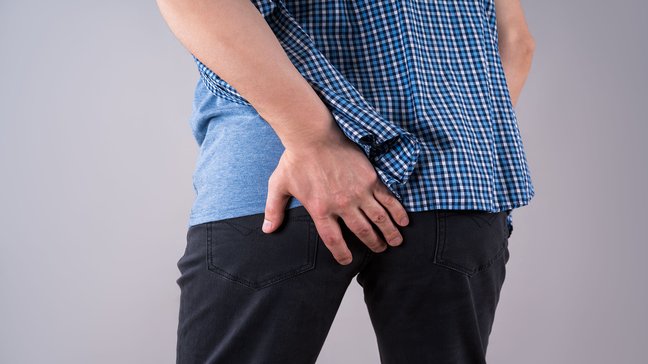
Coccygodynia/tailbone pain
Coccygodynia, also known as tailbone pain, refers to chronic pain in the area of the coccyx (os coccygis). These complaints often occur when sitting, during bowel movements, or during physical activities and can significantly affect the quality of…
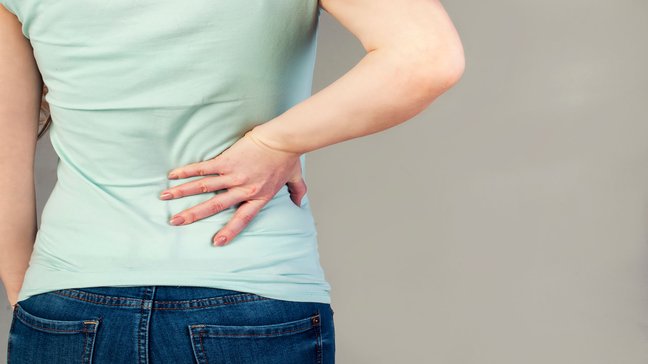
Glutealgia
Glutealgia, or buttock pain, is a symptom that can be caused by various factors. The pain is usually localized in the buttock area but can also radiate to the lower back, hip, or legs. Glutealgia significantly affects mobility and quality of life,…
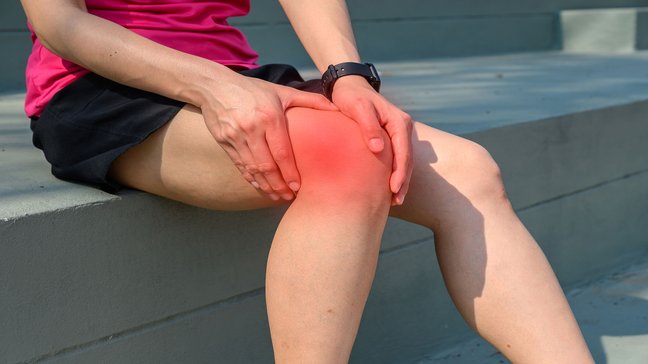
Tract syndrome
The tractus syndrome, also known as iliotibial band syndrome (ITBS), is a common overuse injury where the iliotibial band (tractus iliotibialis) becomes irritated due to repeated mechanical friction. This friction usually occurs in the area of the…

Piriformis syndrome
Piriformis syndrome is a neuromuscular disorder in which the piriformis muscle, a small, pear-shaped muscle in the buttock region, irritates or compresses the sciatic nerve. This irritation leads to pain that often radiates into the buttocks and the…
Iliopsoas shortening
Classification of Iliopsoas Shortenings
Iliopsoas shortenings can be classified according to cause and severity:
- Functional shortening:
- Temporary muscle shortening due to poor posture or overuse.
- Structural shortening:
- Permanent muscle shortening due to anatomical changes or scarring.
- Unilateral shortening:
- Affects only one side of the body and often leads to asymmetries.
- Bilateral shortening:
- Can cause a general restriction of hip mobility.
Causes of Iliopsoas Shortening
The causes of iliopsoas shortening are varied and include:
- Prolonged sitting:
- Continuous sitting in offices or vehicles leads to a permanent shortening of the iliopsoas muscle.
- Poor posture:
- A forward-tilted pelvic posture or a hollow back promotes shortening.
- Sport-related overuse:
- Intensive training, especially in sports like sprinting or cycling, can lead to overuse of the muscle.
- Injuries:
- After accidents or surgeries, protective postures can lead to shortening.
- Age-related changes:
- With increasing age, the muscle loses elasticity and is more prone to shortening.
Symptoms of iliopsoas shortening
The symptoms of an iliopsoas shortening are often nonspecific and vary depending on the severity:
- Pain:
- Back pain, especially in the lower back area, and hip pain during movement.
- Movement restrictions:
- Problems with extending the hip joint or straightening the body.
- Hollow back:
- An increased lordosis of the lumbar spine due to muscle shortening.
- Pulling sensations:
- An unpleasant pulling in the groin or thigh during stretching movements.
- Gait changes:
- A shortened gait or a limping gait pattern to avoid pain.
Diagnosis of iliopsoas shortening
The diagnosis is made through medical history, physical examination, and possibly imaging techniques:
- Medical history:
- The doctor inquires about typical symptoms, movement patterns, and possible triggers.
- Physical examination:
- Tests such as the Thomas test, which checks the mobility of the hip joint.
- Imaging techniques:
- Ultrasound: To assess the condition of the muscles.
- MRI: Visualization of accompanying symptoms such as inflammation or scar formation.
Treatment options for iliopsoas shortening
Conservative Therapy
In most cases, an iliopsoas shortening can be remedied through non-surgical measures:
- Stretching exercises:
- Regular stretching of the iliopsoas muscle to improve mobility.
- Physiotherapy:
- Targeted exercises to strengthen and stretch the muscle complex.
- Manual therapy:
- Treatment by physiotherapists to relieve tension.
- Ergonomic adjustments:
- Optimization of seating furniture and workplace design to reduce poor posture.
- Medication therapy:
- Painkillers and muscle-relaxing medications to alleviate acute symptoms.
Surgical Therapy
In rare cases, when conservative measures are not sufficient, a surgical procedure may be necessary:
- Fascia release:
- Surgical loosening of the surrounding tissue structures to improve mobility.
- Lengthening of the iliopsoas muscle:
- In extreme cases to correct a structural shortening.
Preventive measures for iliopsoas shortening
To prevent iliopsoas shortening, the following measures are helpful:
- Regular exercise: Promoting mobility through sports such as yoga or swimming.
- Ergonomic posture: Avoiding poor posture through optimal workplace design.
- Stretching exercises: Regular stretching of the hip flexor to maintain flexibility.
- Change of body position: Frequent standing up and moving around during sedentary activities.
- Strengthening the core muscles: Strengthening the abdominal and back muscles to support hip mobility.
Coccygodynia/tailbone pain
Coccygodynia, also known as tailbone pain, refers to chronic pain in the area of the coccyx (os coccygis). These complaints often occur when sitting, during bowel movements, or during physical activities and can significantly affect the quality of…
Glutealgia
Glutealgia, or buttock pain, is a symptom that can be caused by various factors. The pain is usually localized in the buttock area but can also radiate to the lower back, hip, or legs. Glutealgia significantly affects mobility and quality of life,…
Tract syndrome
The tractus syndrome, also known as iliotibial band syndrome (ITBS), is a common overuse injury where the iliotibial band (tractus iliotibialis) becomes irritated due to repeated mechanical friction. This friction usually occurs in the area of the…
Piriformis syndrome
Piriformis syndrome is a neuromuscular disorder in which the piriformis muscle, a small, pear-shaped muscle in the buttock region, irritates or compresses the sciatic nerve. This irritation leads to pain that often radiates into the buttocks and the…