

Glutealgia
Classification of Glutealgia
Gluteal pain is classified according to its cause and location:
- Muscular gluteal pain:
- Pain due to tension or overuse of the gluteal muscles, often associated with the piriformis syndrome.
- Neurological gluteal pain:
- Pain due to pressure on nerves, such as the sciatic nerve, which typically causes radiating discomfort.
- Arthrogenic gluteal pain:
- Pain due to joint diseases, such as osteoarthritis in the hip joint or sacroiliac joint problems.
- Inflammatory gluteal pain:
- Pain due to inflammatory diseases such as sacroiliitis or rheumatic diseases.
- Post-traumatic gluteal pain:
- Pain resulting from injuries such as bruises or strains after falls or accidents.
Causes of gluteal pain
The causes of gluteal pain are varied and can be both mechanical and neurological in nature:
- Muscular tension and overload:
- Poor posture, overuse, or prolonged sitting often lead to tension in the gluteal muscles. The piriformis muscle is a common trigger.
- Piriformis syndrome:
- Due to tension imbalances in the piriformis muscle, the underlying sciatic nerve is compressed, which can cause pain in the buttocks and along the leg.
- Nerve compression:
- Herniated discs or spinal canal stenosis can put pressure on the sciatic nerve and cause gluteal pain.
- Joint diseases:
- Osteoarthritis or dysfunctions of the sacroiliac joint (SIJ) often lead to localized pain in the buttocks.
- Inflammatory diseases:
- Sacroiliitis or rheumatoid diseases cause inflammatory changes that lead to gluteal pain.
- Injuries:
- Trauma, such as falls or bruises, can trigger acute pain and swelling in the buttock area.
Symptoms of glutealgia
The symptoms of gluteal pain vary depending on the cause and severity:
- Localized pain:
- Often unilateral pain in the buttock area, which is intensified by movement or pressure.
- Radiating pain:
- Pain that radiates to the lower back, hip, or leg, especially when the sciatic nerve is involved.
- Movement restrictions:
- Difficulties with walking, climbing stairs, or sitting.
- Neurological symptoms:
- Tingling, numbness, or muscle weakness, especially with nerve compression.
- Swelling and tenderness:
- Visible or palpable reactions in inflammatory or traumatic causes.
Diagnosis of gluteal pain
The diagnosis is based on a thorough medical history, physical examination, and, if necessary, imaging techniques:
- Medical history:
- The doctor inquires about the course of the pain, possible triggers, and accompanying symptoms such as neurological deficits.
- Physical examination:
- Checking mobility, tenderness, and specific pain points. Tests like the Piriformis test can provide insight into muscular causes.
- Imaging techniques:
- MRI: Visualization of soft tissues, intervertebral discs, and nerves.
- X-ray: For assessing bone or joint changes.
- Ultrasound: Examination of muscles and tendons for inflammation or injuries.
Treatment options for gluteal pain
Conservative Therapy
Most cases of gluteal pain can be treated without surgical intervention:
- Physiotherapy:
- Targeted stretching and strengthening exercises to relax the muscles and improve mobility.
- Manual therapy to relieve tension and blockages.
- Pain Therapy:
- Use of nonsteroidal anti-inflammatory drugs (NSAIDs) like ibuprofen to relieve pain and inflammation.
- Muscle relaxants for severe muscle tension.
- Local Applications:
- Cold or heat therapy, depending on the cause, for pain relief and relaxation.
- Ergonomics:
- Adjustment of workplace and seating to avoid poor posture.
Invasive Therapy
For persistent or severe symptoms, the following measures may be necessary:
- Injections:
- Cortisone or local anesthetics to relieve pain and inflammation, especially in cases of sacroiliac joint dysfunction or piriformis syndrome.
- Surgery:
- Rarely necessary, for example, in cases of anatomical bottlenecks or herniated discs.
Preventive measures for gluteal pain
To prevent gluteal pain, the following measures are recommended:
- Regular exercise: Promote flexibility and strengthen the gluteal and back muscles through sports such as yoga or swimming.
- Ergonomic workplace design: Adjust the sitting position and take regular breaks during predominantly sedentary activities.
- Avoid overloading: Warm up before physical activity and gradually increase the load.
- Stretching exercises: Regularly stretch the piriformis muscle and hip muscles to prevent tension.
- Early treatment: Immediate clarification and therapy at the first signs of pain to prevent chronic complaints.
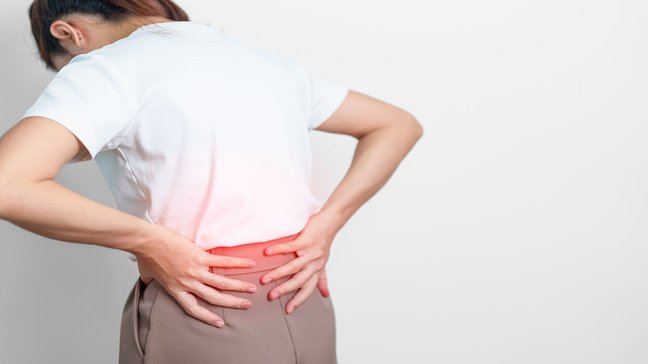
Iliopsoas shortening
The iliopsoas shortening describes a shortening of the iliopsoas muscle, which consists of the psoas major muscle and the iliacus muscle. This muscle complex is the main flexor of the hip joint and plays an important role in stabilizing the spine. A…
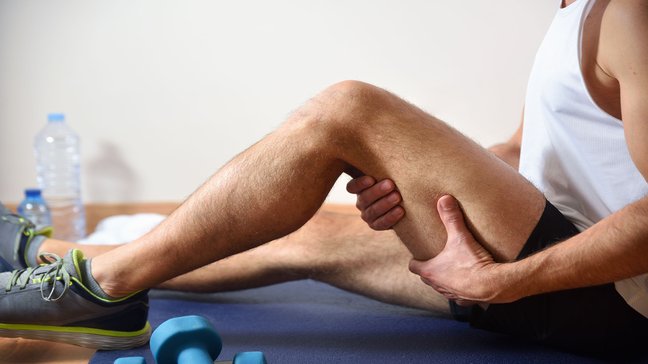
Adductor strain
An adductor strain is a common sports injury caused by overstretching or overloading the adductor muscles on the inner thigh. This muscle group is responsible for bringing the leg toward the body's midline and plays a crucial role in movements such…
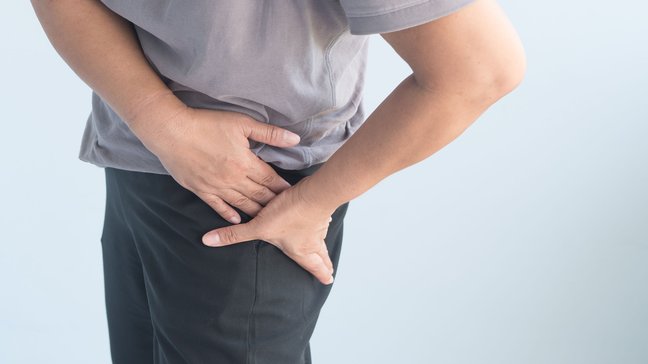
Hip joint inflammation (Coxitis)
Inflammation of the hip joint, medically referred to as coxitis, is an inflammation of the hip joint that can have both infectious and non-infectious causes. It typically manifests as pain in the groin area, restricted movement, and a protective…
Glutealgia
Classification of Glutealgia
Gluteal pain is classified according to its cause and location:
- Muscular gluteal pain:
- Pain due to tension or overuse of the gluteal muscles, often associated with the piriformis syndrome.
- Neurological gluteal pain:
- Pain due to pressure on nerves, such as the sciatic nerve, which typically causes radiating discomfort.
- Arthrogenic gluteal pain:
- Pain due to joint diseases, such as osteoarthritis in the hip joint or sacroiliac joint problems.
- Inflammatory gluteal pain:
- Pain due to inflammatory diseases such as sacroiliitis or rheumatic diseases.
- Post-traumatic gluteal pain:
- Pain resulting from injuries such as bruises or strains after falls or accidents.
Causes of gluteal pain
The causes of gluteal pain are varied and can be both mechanical and neurological in nature:
- Muscular tension and overload:
- Poor posture, overuse, or prolonged sitting often lead to tension in the gluteal muscles. The piriformis muscle is a common trigger.
- Piriformis syndrome:
- Due to tension imbalances in the piriformis muscle, the underlying sciatic nerve is compressed, which can cause pain in the buttocks and along the leg.
- Nerve compression:
- Herniated discs or spinal canal stenosis can put pressure on the sciatic nerve and cause gluteal pain.
- Joint diseases:
- Osteoarthritis or dysfunctions of the sacroiliac joint (SIJ) often lead to localized pain in the buttocks.
- Inflammatory diseases:
- Sacroiliitis or rheumatoid diseases cause inflammatory changes that lead to gluteal pain.
- Injuries:
- Trauma, such as falls or bruises, can trigger acute pain and swelling in the buttock area.
Symptoms of glutealgia
The symptoms of gluteal pain vary depending on the cause and severity:
- Localized pain:
- Often unilateral pain in the buttock area, which is intensified by movement or pressure.
- Radiating pain:
- Pain that radiates to the lower back, hip, or leg, especially when the sciatic nerve is involved.
- Movement restrictions:
- Difficulties with walking, climbing stairs, or sitting.
- Neurological symptoms:
- Tingling, numbness, or muscle weakness, especially with nerve compression.
- Swelling and tenderness:
- Visible or palpable reactions in inflammatory or traumatic causes.
Diagnosis of gluteal pain
The diagnosis is based on a thorough medical history, physical examination, and, if necessary, imaging techniques:
- Medical history:
- The doctor inquires about the course of the pain, possible triggers, and accompanying symptoms such as neurological deficits.
- Physical examination:
- Checking mobility, tenderness, and specific pain points. Tests like the Piriformis test can provide insight into muscular causes.
- Imaging techniques:
- MRI: Visualization of soft tissues, intervertebral discs, and nerves.
- X-ray: For assessing bone or joint changes.
- Ultrasound: Examination of muscles and tendons for inflammation or injuries.
Treatment options for gluteal pain
Conservative Therapy
Most cases of gluteal pain can be treated without surgical intervention:
- Physiotherapy:
- Targeted stretching and strengthening exercises to relax the muscles and improve mobility.
- Manual therapy to relieve tension and blockages.
- Pain Therapy:
- Use of nonsteroidal anti-inflammatory drugs (NSAIDs) like ibuprofen to relieve pain and inflammation.
- Muscle relaxants for severe muscle tension.
- Local Applications:
- Cold or heat therapy, depending on the cause, for pain relief and relaxation.
- Ergonomics:
- Adjustment of workplace and seating to avoid poor posture.
Invasive Therapy
For persistent or severe symptoms, the following measures may be necessary:
- Injections:
- Cortisone or local anesthetics to relieve pain and inflammation, especially in cases of sacroiliac joint dysfunction or piriformis syndrome.
- Surgery:
- Rarely necessary, for example, in cases of anatomical bottlenecks or herniated discs.
Preventive measures for gluteal pain
To prevent gluteal pain, the following measures are recommended:
- Regular exercise: Promote flexibility and strengthen the gluteal and back muscles through sports such as yoga or swimming.
- Ergonomic workplace design: Adjust the sitting position and take regular breaks during predominantly sedentary activities.
- Avoid overloading: Warm up before physical activity and gradually increase the load.
- Stretching exercises: Regularly stretch the piriformis muscle and hip muscles to prevent tension.
- Early treatment: Immediate clarification and therapy at the first signs of pain to prevent chronic complaints.
Iliopsoas shortening
The iliopsoas shortening describes a shortening of the iliopsoas muscle, which consists of the psoas major muscle and the iliacus muscle. This muscle complex is the main flexor of the hip joint and plays an important role in stabilizing the spine. A…
Adductor strain
An adductor strain is a common sports injury caused by overstretching or overloading the adductor muscles on the inner thigh. This muscle group is responsible for bringing the leg toward the body's midline and plays a crucial role in movements such…
Hip joint inflammation (Coxitis)
Inflammation of the hip joint, medically referred to as coxitis, is an inflammation of the hip joint that can have both infectious and non-infectious causes. It typically manifests as pain in the groin area, restricted movement, and a protective…