

Hip dysplasia
Classification of Hip Dysplasia
Hip dysplasia is classified into different categories depending on severity and clinical course:
- Mild hip dysplasia:
- The hip socket is only minimally flattened; joint stability is largely preserved.
- Moderate hip dysplasia:
- Significant underdevelopment of the hip socket with early joint instability.
- Severe hip dysplasia:
- Severely flattened or malformed hip socket with a high risk of dislocation.
- Hip dislocation:
- Complete dislocation of the femoral head from the hip socket.
Causes of hip dysplasia
The causes of hip dysplasia are multifactorial and include:
- Genetic factors:
- A familial clustering indicates a genetic predisposition.
- Birth position:
- Children who are born in breech presentation (breech position) have a higher risk of hip dysplasia.
- Sex:
- Girls are affected significantly more often than boys, which may be due to hormonal influences during pregnancy.
- Firstborns:
- Firstborn children have an increased risk, presumably due to the greater space restriction in the uterus.
- Limited space in the womb:
- Multiple pregnancies or a low amniotic fluid volume (oligohydramnios) can restrict the child's freedom of movement and impede optimal development of the hip joints.
Symptoms of hip dysplasia
Symptoms depend on the age and severity of the malformation:
- Newborns and toddlers:
- Asymmetric gluteal folds.
- Limited mobility of the hip joints, especially when spreading the legs.
- Different leg lengths in advanced dysplasia.
- Adolescents and adults:
- Hip and groin pain, especially during physical exertion.
- Movement restrictions, e.g., difficulty climbing stairs or bending over.
- Instability of the hip joint or a feeling of "slipping out" of the joint.
Diagnosis of hip dysplasia
The diagnosis of hip dysplasia is made through a combination of clinical examination and imaging procedures:
- Clinical examination:
- The doctor checks the mobility of the hips and looks for typical signs such as asymmetries or clicking sounds.
- Imaging procedures:
- Ultrasound: Standard examination in newborns for the early detection of hip dysplasia.
- X-ray: For the assessment of the hip joints in older children and adults.
- MRI: Detailed visualization of soft tissues and joint structures in cases of unclear findings.
Treatment options for hip dysplasia
Conservative therapy
In early stages or in newborns, conservative treatment is often sufficient:
- Abduction pants or Pavlik harnesses:
- Keep the legs in a spread position to promote the optimal development of the hip socket.
- Physiotherapy:
- Exercises to strengthen the hip muscles and promote joint mobility.
- Pain therapy:
- Nonsteroidal anti-inflammatory drugs (NSAIDs) to relieve pain in adults.
Surgical therapy
In severe cases or with advanced dysplasia, a surgical procedure may be necessary:
- Pelvic osteotomy:
- Surgical correction of the hip socket to improve joint stability.
- Hip endoprosthesis:
- Replacement of the damaged joint with an artificial hip in advanced osteoarthritis.
- Reposition:
- Surgical reduction of the femoral head into the hip socket in dislocations.
Preventive measures for hip dysplasia
To prevent hip dysplasia in newborns and children, the following measures are recommended:
- Early detection screenings: Regular ultrasound examinations as part of preventive check-ups.
- Ergonomic carrying: Use of carriers that keep the child's legs in a spread position.
- Avoiding overextension: No tight swaddling methods that restrict hip mobility.
- Education: Parents should be informed about risk factors and symptoms so they can respond early.
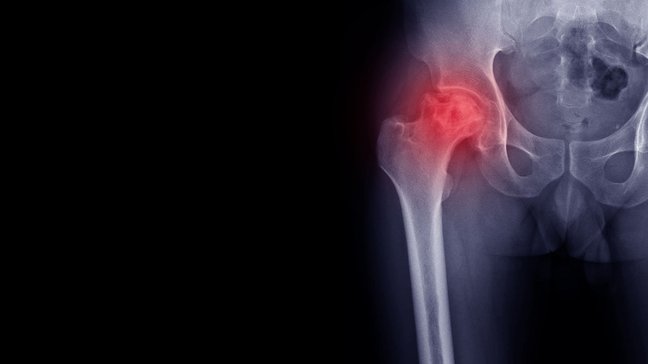
Perthes disease
Morbus Perthes, also known as Perthes disease, is a rare disorder of the hip joint in children. It arises from a temporary interruption of the blood supply to the femoral head, which leads to the death of bone tissue (aseptic necrosis of the femoral…
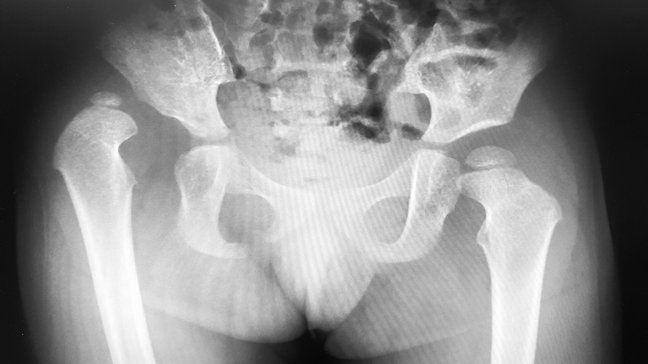
Hip dysplasia
Hip dysplasia, also referred to as hip joint dysplasia, is a congenital or acquired malformation of the hip joint. The hip socket (acetabulum) is insufficiently developed, which leads to the femoral head (caput femoris) not sitting optimally in the…
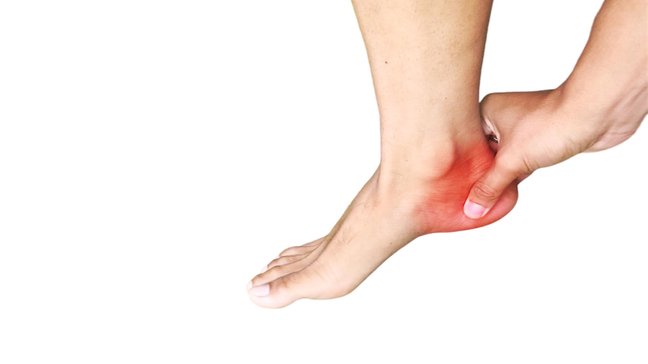
Calcaneal apophysitis
Apophysitis calcanei, also known as Sever’s disease, is an inflammatory condition of the growth plate (apophysis) of the heel bone. It occurs predominantly in children and adolescents aged 8 to 16 years, especially during growth phases. Those…

Scheuermann's disease
Morbus Scheuermann, auch als Scheuermann-Krankheit bezeichnet, ist eine Wachstumsstörung der Wirbelsäule, die vor allem bei Jugendlichen während der Wachstumsphase auftritt. Die Erkrankung führt zu einer vermehrten Krümmung der Brustwirbelsäule…
Hip dysplasia
Classification of Hip Dysplasia
Hip dysplasia is classified into different categories depending on severity and clinical course:
- Mild hip dysplasia:
- The hip socket is only minimally flattened; joint stability is largely preserved.
- Moderate hip dysplasia:
- Significant underdevelopment of the hip socket with early joint instability.
- Severe hip dysplasia:
- Severely flattened or malformed hip socket with a high risk of dislocation.
- Hip dislocation:
- Complete dislocation of the femoral head from the hip socket.
Causes of hip dysplasia
The causes of hip dysplasia are multifactorial and include:
- Genetic factors:
- A familial clustering indicates a genetic predisposition.
- Birth position:
- Children who are born in breech presentation (breech position) have a higher risk of hip dysplasia.
- Sex:
- Girls are affected significantly more often than boys, which may be due to hormonal influences during pregnancy.
- Firstborns:
- Firstborn children have an increased risk, presumably due to the greater space restriction in the uterus.
- Limited space in the womb:
- Multiple pregnancies or a low amniotic fluid volume (oligohydramnios) can restrict the child's freedom of movement and impede optimal development of the hip joints.
Symptoms of hip dysplasia
Symptoms depend on the age and severity of the malformation:
- Newborns and toddlers:
- Asymmetric gluteal folds.
- Limited mobility of the hip joints, especially when spreading the legs.
- Different leg lengths in advanced dysplasia.
- Adolescents and adults:
- Hip and groin pain, especially during physical exertion.
- Movement restrictions, e.g., difficulty climbing stairs or bending over.
- Instability of the hip joint or a feeling of "slipping out" of the joint.
Diagnosis of hip dysplasia
The diagnosis of hip dysplasia is made through a combination of clinical examination and imaging procedures:
- Clinical examination:
- The doctor checks the mobility of the hips and looks for typical signs such as asymmetries or clicking sounds.
- Imaging procedures:
- Ultrasound: Standard examination in newborns for the early detection of hip dysplasia.
- X-ray: For the assessment of the hip joints in older children and adults.
- MRI: Detailed visualization of soft tissues and joint structures in cases of unclear findings.
Treatment options for hip dysplasia
Conservative therapy
In early stages or in newborns, conservative treatment is often sufficient:
- Abduction pants or Pavlik harnesses:
- Keep the legs in a spread position to promote the optimal development of the hip socket.
- Physiotherapy:
- Exercises to strengthen the hip muscles and promote joint mobility.
- Pain therapy:
- Nonsteroidal anti-inflammatory drugs (NSAIDs) to relieve pain in adults.
Surgical therapy
In severe cases or with advanced dysplasia, a surgical procedure may be necessary:
- Pelvic osteotomy:
- Surgical correction of the hip socket to improve joint stability.
- Hip endoprosthesis:
- Replacement of the damaged joint with an artificial hip in advanced osteoarthritis.
- Reposition:
- Surgical reduction of the femoral head into the hip socket in dislocations.
Preventive measures for hip dysplasia
To prevent hip dysplasia in newborns and children, the following measures are recommended:
- Early detection screenings: Regular ultrasound examinations as part of preventive check-ups.
- Ergonomic carrying: Use of carriers that keep the child's legs in a spread position.
- Avoiding overextension: No tight swaddling methods that restrict hip mobility.
- Education: Parents should be informed about risk factors and symptoms so they can respond early.
Perthes disease
Morbus Perthes, also known as Perthes disease, is a rare disorder of the hip joint in children. It arises from a temporary interruption of the blood supply to the femoral head, which leads to the death of bone tissue (aseptic necrosis of the femoral…
Hip dysplasia
Hip dysplasia, also referred to as hip joint dysplasia, is a congenital or acquired malformation of the hip joint. The hip socket (acetabulum) is insufficiently developed, which leads to the femoral head (caput femoris) not sitting optimally in the…
Calcaneal apophysitis
Apophysitis calcanei, also known as Sever’s disease, is an inflammatory condition of the growth plate (apophysis) of the heel bone. It occurs predominantly in children and adolescents aged 8 to 16 years, especially during growth phases. Those…
Scheuermann's disease
Morbus Scheuermann, auch als Scheuermann-Krankheit bezeichnet, ist eine Wachstumsstörung der Wirbelsäule, die vor allem bei Jugendlichen während der Wachstumsphase auftritt. Die Erkrankung führt zu einer vermehrten Krümmung der Brustwirbelsäule…