

Bone necrosis (Ahlbäck's disease)
Classification of Bone Necrosis
Bone necrosis can be divided into different categories:
- Aseptic bone necrosis: Occurs without an infection, usually due to circulatory disorders, as in the case of femoral head necrosis.
- Septic bone necrosis: Is caused by an infection, for example after injuries or surgeries.
- Traumatic bone necrosis: Occurs as a result of bone fractures or other injuries that impair blood supply.
- Idiopathic bone necrosis: Has no clearly identifiable cause and is often diagnosed in young adults.
- Medication-induced bone necrosis: Is favored by the long-term use of certain medications, such as corticosteroids.
Causes of Ahlbäck's disease
The main causes of bone necrosis can be divided into several categories:
- Circulatory disorders:
- Vascular injuries or thromboses lead to an interruption of blood supply.
- Chronic diseases such as diabetes or arteriosclerosis impair blood flow.
- Trauma:
- Bone fractures or joint dislocations can damage vessels and lead to local ischemia.
- Medication intake:
- Long-term use of corticosteroids or chemotherapy drugs increases the risk.
- Alcohol abuse:
- Regular excessive alcohol consumption can impair microcirculation and lead to bone necrosis.
- Systemic diseases:
- Autoimmune diseases such as lupus erythematosus or sickle cell anemia can promote circulatory disorders.
Symptoms of Ahlbäck's disease
The symptoms vary depending on the affected bone region and the progression of the disease:
- **Pain:** Localized pain that initially occurs only under stress and may later persist at rest.
- **Movement restrictions:** Problems with bending, stretching, or rotating the affected joint.
- **Swelling:** Inflammation-related swelling or fluid accumulation in the joint.
- **Bone weakness:** An increased susceptibility to fractures or deformations in the area of necrosis.
- **Gait changes:** Limping or altered movement patterns with hip or knee involvement.
- **Joint instability:** Uncertainty or instability under stress, especially in advanced stages.
Diagnosis of Ahlbäck's disease
The diagnosis is made through a combination of medical history, clinical examination, and imaging techniques:
- Medical history:
- The doctor inquires about typical symptoms, risk factors such as medication use or alcohol abuse, and existing preconditions.
- Physical examination:
- Checking for tenderness, movement restrictions, and swelling.
- Imaging techniques:
- X-ray: Depiction of bone density loss or collapse in advanced stages.
- MRI: Early detection of circulatory disorders and necrosis areas.
- CT: Detailed imaging of bone structure to assess damage.
Treatment options for Ahlbäck's disease
Conservative Therapy
In the early stages of bone necrosis, non-operative measures can help stabilize the condition and alleviate symptoms:
- Pain Therapy:
- NSAIDs to relieve pain and inflammation.
- Physiotherapy:
- Exercises to improve mobility and strengthen the surrounding muscles.
- Relief:
- Use of walking aids or orthoses to reduce the load on the affected bone.
- Medication Therapy:
- Use of bisphosphonates or other bone-strengthening medications to delay progression.
Surgical Therapy
In advanced stages of bone necrosis, surgical intervention may be necessary:
- Decompression:
- Surgical pressure relief of the affected bone to promote blood circulation.
- Bone Reconstruction:
- Transplantation of bone substance or stem cells to restore bone structure.
- Joint Replacement:
- Implantation of an endoprosthesis in cases of irreparable joint damage.
Preventive measures for Ahlbäck's disease
To prevent bone necrosis, the following measures are recommended:
- Avoidance of risk factors: Reduction of alcohol and nicotine consumption.
- Early detection: Regular medical check-ups for at-risk patients, especially when taking corticosteroids.
- Healthy lifestyle: A balanced diet and regular exercise promote blood circulation.
- Protection from injuries: Avoidance of trauma through precautions, especially during sports activities.
- Timely treatment: At the first signs of discomfort, a doctor should be consulted early to prevent the progression of the disease.

Knee joint inflammation (arthritis)
Inflammation of the knee joint, medically referred to as arthritis of the knee joint, is an inflammatory condition that affects the knee joint. It can be triggered by infections, autoimmune diseases, or overuse and leads to pain, swelling, and…
Desalineaciones en niños
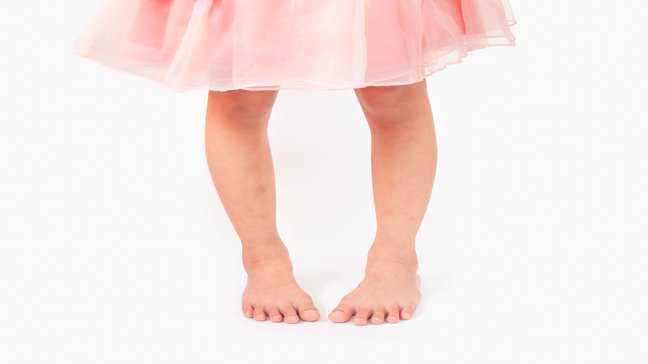
Misalignments of the legs, such as knock-knees (genu valgum) and bowlegs (genu varum), are common observations in children. These deviations from the normal leg axis can be both physiological and pathological and affect the development and mobility…
Knee pain
Knee pain is a common symptom that can affect people of all ages. It can result from acute injuries, chronic conditions, or overuse. The knee joint is one of the largest and most complex joints in the human body, making it particularly susceptible to…
Bone necrosis (Ahlbäck's disease)
Classification of Bone Necrosis
Bone necrosis can be divided into different categories:
- Aseptic bone necrosis: Occurs without an infection, usually due to circulatory disorders, as in the case of femoral head necrosis.
- Septic bone necrosis: Is caused by an infection, for example after injuries or surgeries.
- Traumatic bone necrosis: Occurs as a result of bone fractures or other injuries that impair blood supply.
- Idiopathic bone necrosis: Has no clearly identifiable cause and is often diagnosed in young adults.
- Medication-induced bone necrosis: Is favored by the long-term use of certain medications, such as corticosteroids.
Causes of Ahlbäck's disease
The main causes of bone necrosis can be divided into several categories:
- Circulatory disorders:
- Vascular injuries or thromboses lead to an interruption of blood supply.
- Chronic diseases such as diabetes or arteriosclerosis impair blood flow.
- Trauma:
- Bone fractures or joint dislocations can damage vessels and lead to local ischemia.
- Medication intake:
- Long-term use of corticosteroids or chemotherapy drugs increases the risk.
- Alcohol abuse:
- Regular excessive alcohol consumption can impair microcirculation and lead to bone necrosis.
- Systemic diseases:
- Autoimmune diseases such as lupus erythematosus or sickle cell anemia can promote circulatory disorders.
Symptoms of Ahlbäck's disease
The symptoms vary depending on the affected bone region and the progression of the disease:
- **Pain:** Localized pain that initially occurs only under stress and may later persist at rest.
- **Movement restrictions:** Problems with bending, stretching, or rotating the affected joint.
- **Swelling:** Inflammation-related swelling or fluid accumulation in the joint.
- **Bone weakness:** An increased susceptibility to fractures or deformations in the area of necrosis.
- **Gait changes:** Limping or altered movement patterns with hip or knee involvement.
- **Joint instability:** Uncertainty or instability under stress, especially in advanced stages.
Diagnosis of Ahlbäck's disease
The diagnosis is made through a combination of medical history, clinical examination, and imaging techniques:
- Medical history:
- The doctor inquires about typical symptoms, risk factors such as medication use or alcohol abuse, and existing preconditions.
- Physical examination:
- Checking for tenderness, movement restrictions, and swelling.
- Imaging techniques:
- X-ray: Depiction of bone density loss or collapse in advanced stages.
- MRI: Early detection of circulatory disorders and necrosis areas.
- CT: Detailed imaging of bone structure to assess damage.
Treatment options for Ahlbäck's disease
Conservative Therapy
In the early stages of bone necrosis, non-operative measures can help stabilize the condition and alleviate symptoms:
- Pain Therapy:
- NSAIDs to relieve pain and inflammation.
- Physiotherapy:
- Exercises to improve mobility and strengthen the surrounding muscles.
- Relief:
- Use of walking aids or orthoses to reduce the load on the affected bone.
- Medication Therapy:
- Use of bisphosphonates or other bone-strengthening medications to delay progression.
Surgical Therapy
In advanced stages of bone necrosis, surgical intervention may be necessary:
- Decompression:
- Surgical pressure relief of the affected bone to promote blood circulation.
- Bone Reconstruction:
- Transplantation of bone substance or stem cells to restore bone structure.
- Joint Replacement:
- Implantation of an endoprosthesis in cases of irreparable joint damage.
Preventive measures for Ahlbäck's disease
To prevent bone necrosis, the following measures are recommended:
- Avoidance of risk factors: Reduction of alcohol and nicotine consumption.
- Early detection: Regular medical check-ups for at-risk patients, especially when taking corticosteroids.
- Healthy lifestyle: A balanced diet and regular exercise promote blood circulation.
- Protection from injuries: Avoidance of trauma through precautions, especially during sports activities.
- Timely treatment: At the first signs of discomfort, a doctor should be consulted early to prevent the progression of the disease.
Knee joint inflammation (arthritis)
Inflammation of the knee joint, medically referred to as arthritis of the knee joint, is an inflammatory condition that affects the knee joint. It can be triggered by infections, autoimmune diseases, or overuse and leads to pain, swelling, and…
Desalineaciones en niños
Misalignments of the legs, such as knock-knees (genu valgum) and bowlegs (genu varum), are common observations in children. These deviations from the normal leg axis can be both physiological and pathological and affect the development and mobility…
Knee pain
Knee pain is a common symptom that can affect people of all ages. It can result from acute injuries, chronic conditions, or overuse. The knee joint is one of the largest and most complex joints in the human body, making it particularly susceptible to…