

Desalineaciones en niños
Classification of Axial Misalignments
Axis misalignments can be divided into different categories:
- Bow legs (Genu varum): The knees are apart while the feet are together. This position is normal in infants and usually corrects itself by the age of three.
- Knock knees (Genu valgum): The knees touch while the feet are apart. This development often occurs between the ages of two and five and often normalizes by the age of eight.
- Rotational misalignments: Deviations in the rotation of the legs, noticeable by inward or outward pointing feet. These can occur in combination with other axis misalignments.
Causes of axial misalignments in children
The main causes of axis misalignments can be divided into several categories:
Physiological development: In infancy, bow legs are typical, which transform into knock knees during development and eventually transition into a straight leg axis.
Genetic factors: Familial predispositions can increase the likelihood of axis misalignments.
Diseases: Bone diseases such as rickets or genetic disorders can lead to misalignments.
Overweight: Increased stress on growing bones due to overweight can promote the development of axis misalignments.
Injuries: Fractures or injuries to the growth plates can impair growth and lead to misalignments.
Symptoms of misalignments in children
The symptoms vary depending on the type and severity of the misalignment, but often include:
- Visible deviations: Noticeable bow-legged or knock-kneed positions.
- Gait changes: Unusual gait, frequent stumbling, or unsteadiness when walking.
- Pain: In advanced cases, pain may occur in the knees or adjacent joints.
- Load problems: Reduced load-bearing capacity of the legs during sports or everyday activities.
Diagnosis of axial misalignments in children
The diagnosis is made through a combination of medical history, physical examination, and imaging techniques:
- Medical history: Collection of family history, symptoms, and the progression of the deformity.
- Physical examination: Assessment of the leg axis while standing and walking, as well as measurement of deviations.
- Imaging techniques:
- X-ray: Visualization of the leg axes and assessment of skeletal growth.
- MRI or CT: In special cases, for a more detailed analysis of soft tissues or growth plates.
Treatment options for misalignments in children
Conservative Therapy
Most axis misalignments in children can be treated without surgery:
- Physiotherapy:
- Strengthening exercises: Strengthen the muscles and stabilize the leg axis.
- Stretching exercises: Promote flexibility and relieve the joints.
- Orthopedic aids:
- Specially adapted shoe inserts or orthoses support the correction of the axis misalignment.
- Weight management:
- Reduction of overweight to decrease the load on bones and joints.
Surgical Therapy
In cases of severe or persistent misalignments that cannot be corrected conservatively, surgery is necessary:
- Growth-guiding measures: Minimally invasive techniques that specifically influence bone growth.
- Osteotomies: Surgical cutting and correction of the bone axis.
- Postoperative measures:
- Physiotherapy to restore mobility and strengthen the muscles.
Preventive measures for misalignments in children.
To prevent misalignments in children, the following measures are recommended:
- Regular exercise: Promotes healthy development of bones and muscles.
- Balanced diet: Ensures adequate supply of vitamin D and calcium.
- Avoidance of overweight: Reduces the strain on bones and joints.
- Early detection: Regular check-ups with a pediatrician or orthopedist can detect misalignments early.
- Appropriate footwear: Supports natural foot and leg positioning.
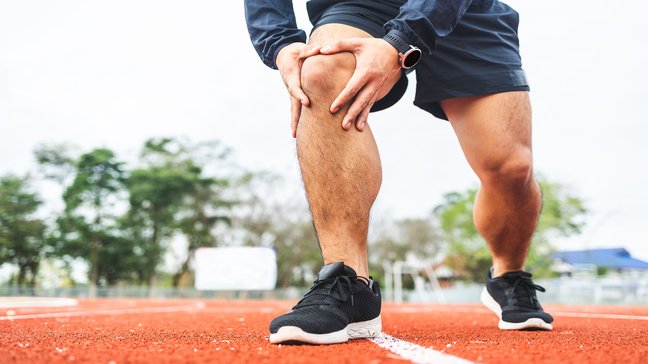
Osgood-Schlatter disease
Osgood-Schlatter disease is a common condition in adolescents caused by overuse of the shinbone at the site of the patellar tendon attachment. It is classified as a growth disorder (osteochondrosis) and primarily affects physically active children…
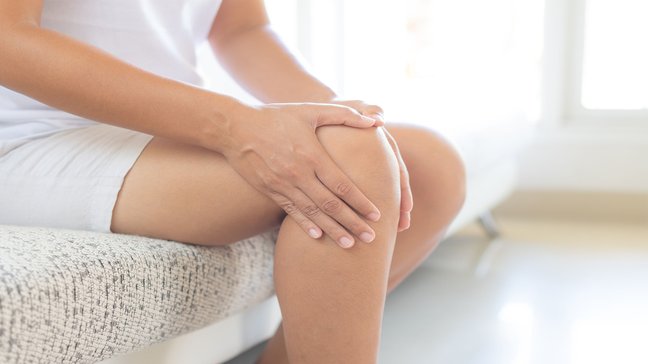
Kneecap osteoarthritis (retropatellar osteoarthritis)
Patellar osteoarthritis, medically referred to as retropatellar osteoarthritis, is a specific form of osteoarthritis where the cartilage on the back of the kneecap (patella) is worn down. This condition leads to pain and movement restrictions in the…
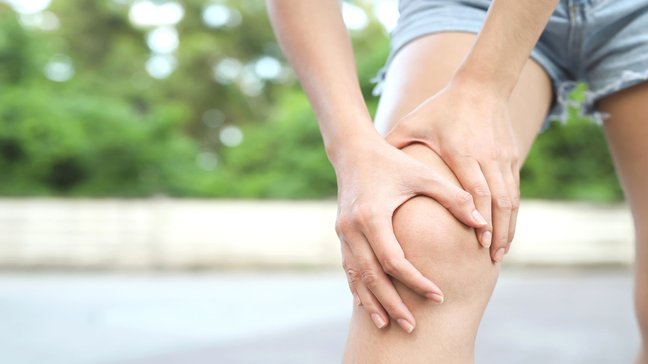
Medial collateral ligament tear
An inner ligament tear, medically referred to as a rupture of the medial collateral ligament (MCL), is a common knee injury. The inner ligament stabilizes the inside of the knee and protects the joint from bending inward (valgus stress). This injury…
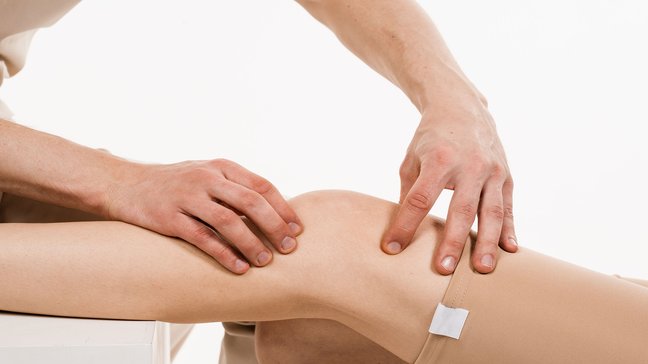
Knee pain
Knee pain is a common symptom that can affect people of all ages. It can result from acute injuries, chronic conditions, or overuse. The knee joint is one of the largest and most complex joints in the human body, making it particularly susceptible to…
Desalineaciones en niños
Classification of Axial Misalignments
Axis misalignments can be divided into different categories:
- Bow legs (Genu varum): The knees are apart while the feet are together. This position is normal in infants and usually corrects itself by the age of three.
- Knock knees (Genu valgum): The knees touch while the feet are apart. This development often occurs between the ages of two and five and often normalizes by the age of eight.
- Rotational misalignments: Deviations in the rotation of the legs, noticeable by inward or outward pointing feet. These can occur in combination with other axis misalignments.
Causes of axial misalignments in children
The main causes of axis misalignments can be divided into several categories:
Physiological development: In infancy, bow legs are typical, which transform into knock knees during development and eventually transition into a straight leg axis.
Genetic factors: Familial predispositions can increase the likelihood of axis misalignments.
Diseases: Bone diseases such as rickets or genetic disorders can lead to misalignments.
Overweight: Increased stress on growing bones due to overweight can promote the development of axis misalignments.
Injuries: Fractures or injuries to the growth plates can impair growth and lead to misalignments.
Symptoms of misalignments in children
The symptoms vary depending on the type and severity of the misalignment, but often include:
- Visible deviations: Noticeable bow-legged or knock-kneed positions.
- Gait changes: Unusual gait, frequent stumbling, or unsteadiness when walking.
- Pain: In advanced cases, pain may occur in the knees or adjacent joints.
- Load problems: Reduced load-bearing capacity of the legs during sports or everyday activities.
Diagnosis of axial misalignments in children
The diagnosis is made through a combination of medical history, physical examination, and imaging techniques:
- Medical history: Collection of family history, symptoms, and the progression of the deformity.
- Physical examination: Assessment of the leg axis while standing and walking, as well as measurement of deviations.
- Imaging techniques:
- X-ray: Visualization of the leg axes and assessment of skeletal growth.
- MRI or CT: In special cases, for a more detailed analysis of soft tissues or growth plates.
Treatment options for misalignments in children
Conservative Therapy
Most axis misalignments in children can be treated without surgery:
- Physiotherapy:
- Strengthening exercises: Strengthen the muscles and stabilize the leg axis.
- Stretching exercises: Promote flexibility and relieve the joints.
- Orthopedic aids:
- Specially adapted shoe inserts or orthoses support the correction of the axis misalignment.
- Weight management:
- Reduction of overweight to decrease the load on bones and joints.
Surgical Therapy
In cases of severe or persistent misalignments that cannot be corrected conservatively, surgery is necessary:
- Growth-guiding measures: Minimally invasive techniques that specifically influence bone growth.
- Osteotomies: Surgical cutting and correction of the bone axis.
- Postoperative measures:
- Physiotherapy to restore mobility and strengthen the muscles.
Preventive measures for misalignments in children.
To prevent misalignments in children, the following measures are recommended:
- Regular exercise: Promotes healthy development of bones and muscles.
- Balanced diet: Ensures adequate supply of vitamin D and calcium.
- Avoidance of overweight: Reduces the strain on bones and joints.
- Early detection: Regular check-ups with a pediatrician or orthopedist can detect misalignments early.
- Appropriate footwear: Supports natural foot and leg positioning.
Osgood-Schlatter disease
Osgood-Schlatter disease is a common condition in adolescents caused by overuse of the shinbone at the site of the patellar tendon attachment. It is classified as a growth disorder (osteochondrosis) and primarily affects physically active children…
Kneecap osteoarthritis (retropatellar osteoarthritis)
Patellar osteoarthritis, medically referred to as retropatellar osteoarthritis, is a specific form of osteoarthritis where the cartilage on the back of the kneecap (patella) is worn down. This condition leads to pain and movement restrictions in the…
Medial collateral ligament tear
An inner ligament tear, medically referred to as a rupture of the medial collateral ligament (MCL), is a common knee injury. The inner ligament stabilizes the inside of the knee and protects the joint from bending inward (valgus stress). This injury…
Knee pain
Knee pain is a common symptom that can affect people of all ages. It can result from acute injuries, chronic conditions, or overuse. The knee joint is one of the largest and most complex joints in the human body, making it particularly susceptible to…