

Bakerzyste
Classification of Baker's cysts
Baker's cysts can be divided into different categories:
- Small cysts: Usually cause no or only minor discomfort and are often an incidental finding.
- Medium cysts: Cause noticeable symptoms such as a feeling of tension or mild pain in the popliteal fossa.
- Large cysts: Lead to significant movement restrictions, pain, and tenderness.
- Complicated cysts: Can rupture and trigger inflammation in the surrounding tissue.
Causes of Baker's cyst
The main causes of a Baker's cyst can be divided into several categories:
- Diseases of the knee joint:
- Osteoarthritis, meniscus damage, or rheumatoid arthritis increase the production of joint fluid, which leaks into the popliteal fossa.
- Knee injuries:
- Injuries such as cruciate ligament tears or cartilage damage can promote the formation of a cyst.
- Overuse:
- Repeated mechanical stress on the knee, for example through sports or physically demanding activities.
Symptoms of Baker's cyst
The symptoms of a Baker's cyst depend on its size and progression. Typical complaints include:
- Swelling: Visible or palpable lump in the back of the knee, which may intensify with movement.
- Pain: Discomfort in the back of the knee or the entire knee, especially under stress.
- Feeling of tension: Pressure or tension in the area of the back of the knee, particularly after prolonged physical activity.
- Movement restrictions: Difficulty in fully straightening or bending the knee.
- Feeling of heaviness: A feeling of instability or stiffness in the knee.
Diagnosis of Baker's cyst
The diagnosis is made through a combination of medical history, clinical examination, and imaging techniques:
- Medical history: The doctor inquires about the patient's medical history, previous knee injuries, and existing symptoms.
- Physical examination: Palpation of the back of the knee for swelling, tenderness, and mobility.
- Imaging techniques:
- Ultrasound: Shows the size of the cyst and its fluid content.
- MRI: Detailed depiction of the cyst and possible accompanying conditions such as meniscus damage.
- X-ray: Exclusion of bony changes or other causes.
Treatment options for Baker's cyst
Conservative Therapy
In many cases, the Baker's cyst can be treated without surgery:
- Treatment of the underlying condition:
- Therapy for osteoarthritis, meniscus damage, or inflammatory diseases that cause cyst formation.
- Physiotherapy:
- Exercises to improve joint mobility and reduce fluid accumulation.
- Pain medication:
- Taking anti-inflammatory medications to relieve pain and inflammation.
- Aspiration:
- Draining the fluid from the cyst for short-term pressure relief.
Surgical Therapy
Surgery is only considered if conservative measures do not provide relief or complications occur:
- Arthroscopic treatment:
- Treatment of accompanying conditions such as meniscus tears or cartilage damage.
- Surgical removal:
- Removal of the cyst in case of persistent discomfort or repeated occurrence.
Preventive measures for Baker's cyst
To prevent Baker's cysts, the following measures are recommended:
- Regular exercise: Targeted exercises to strengthen the knee joint muscles and improve stability.
- Early treatment of knee diseases: Avoidance of cyst formation through timely therapy for osteoarthritis, meniscus damage, or rheumatoid arthritis.
- Load management: Avoidance of excessive loads through balanced activity plans and regular breaks.
- Suitable footwear: Support of the knee joint through well-fitting and cushioned shoes.
- Healthy weight: Reduction of joint stress through weight control.
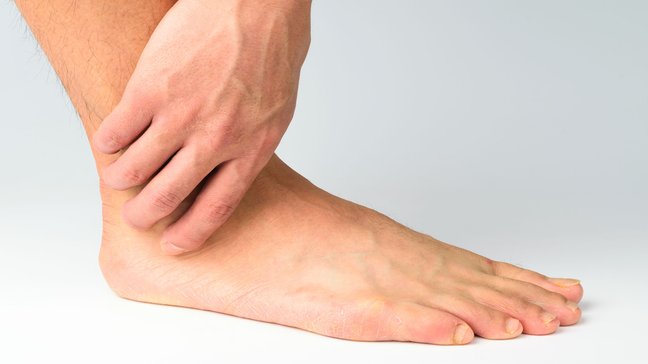
Osteochondrosis dissecans
Osteochondrosis dissecans (OD) is a joint disease in which a cartilage-bone fragment becomes detached. It primarily affects young, physically active individuals and often occurs in the knee joint, but can also affect other joints such as the ankle,…
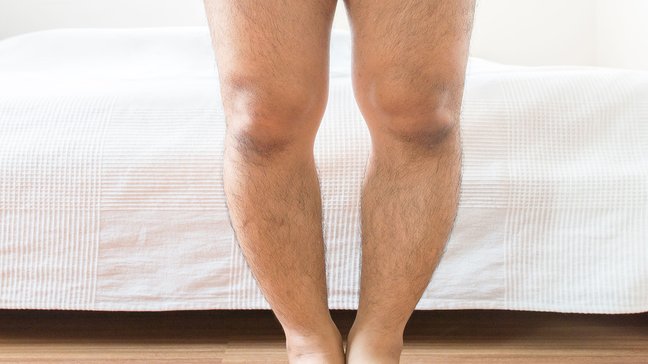
Leg misalignments: knock-knee and bow-leg
X-legs (genu valgum) and O-legs (genu varum) are misalignments of the leg axis that can lead to uneven stress on the joints. These misalignments primarily affect the knee joint and can cause long-term pain, wear and tear, and restricted mobility.
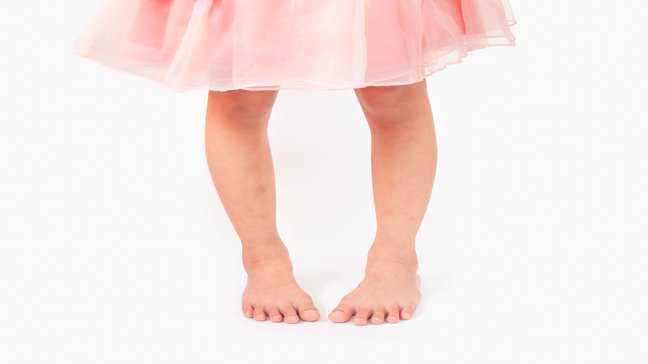
Desalineaciones en niños
Misalignments of the legs, such as knock-knees (genu valgum) and bowlegs (genu varum), are common observations in children. These deviations from the normal leg axis can be both physiological and pathological and affect the development and mobility…
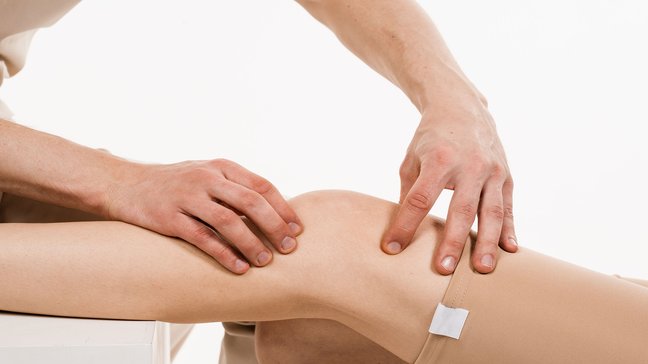
Knee pain
Knee pain is a common symptom that can affect people of all ages. It can result from acute injuries, chronic conditions, or overuse. The knee joint is one of the largest and most complex joints in the human body, making it particularly susceptible to…
Bakerzyste
Classification of Baker's cysts
Baker's cysts can be divided into different categories:
- Small cysts: Usually cause no or only minor discomfort and are often an incidental finding.
- Medium cysts: Cause noticeable symptoms such as a feeling of tension or mild pain in the popliteal fossa.
- Large cysts: Lead to significant movement restrictions, pain, and tenderness.
- Complicated cysts: Can rupture and trigger inflammation in the surrounding tissue.
Causes of Baker's cyst
The main causes of a Baker's cyst can be divided into several categories:
- Diseases of the knee joint:
- Osteoarthritis, meniscus damage, or rheumatoid arthritis increase the production of joint fluid, which leaks into the popliteal fossa.
- Knee injuries:
- Injuries such as cruciate ligament tears or cartilage damage can promote the formation of a cyst.
- Overuse:
- Repeated mechanical stress on the knee, for example through sports or physically demanding activities.
Symptoms of Baker's cyst
The symptoms of a Baker's cyst depend on its size and progression. Typical complaints include:
- Swelling: Visible or palpable lump in the back of the knee, which may intensify with movement.
- Pain: Discomfort in the back of the knee or the entire knee, especially under stress.
- Feeling of tension: Pressure or tension in the area of the back of the knee, particularly after prolonged physical activity.
- Movement restrictions: Difficulty in fully straightening or bending the knee.
- Feeling of heaviness: A feeling of instability or stiffness in the knee.
Diagnosis of Baker's cyst
The diagnosis is made through a combination of medical history, clinical examination, and imaging techniques:
- Medical history: The doctor inquires about the patient's medical history, previous knee injuries, and existing symptoms.
- Physical examination: Palpation of the back of the knee for swelling, tenderness, and mobility.
- Imaging techniques:
- Ultrasound: Shows the size of the cyst and its fluid content.
- MRI: Detailed depiction of the cyst and possible accompanying conditions such as meniscus damage.
- X-ray: Exclusion of bony changes or other causes.
Treatment options for Baker's cyst
Conservative Therapy
In many cases, the Baker's cyst can be treated without surgery:
- Treatment of the underlying condition:
- Therapy for osteoarthritis, meniscus damage, or inflammatory diseases that cause cyst formation.
- Physiotherapy:
- Exercises to improve joint mobility and reduce fluid accumulation.
- Pain medication:
- Taking anti-inflammatory medications to relieve pain and inflammation.
- Aspiration:
- Draining the fluid from the cyst for short-term pressure relief.
Surgical Therapy
Surgery is only considered if conservative measures do not provide relief or complications occur:
- Arthroscopic treatment:
- Treatment of accompanying conditions such as meniscus tears or cartilage damage.
- Surgical removal:
- Removal of the cyst in case of persistent discomfort or repeated occurrence.
Preventive measures for Baker's cyst
To prevent Baker's cysts, the following measures are recommended:
- Regular exercise: Targeted exercises to strengthen the knee joint muscles and improve stability.
- Early treatment of knee diseases: Avoidance of cyst formation through timely therapy for osteoarthritis, meniscus damage, or rheumatoid arthritis.
- Load management: Avoidance of excessive loads through balanced activity plans and regular breaks.
- Suitable footwear: Support of the knee joint through well-fitting and cushioned shoes.
- Healthy weight: Reduction of joint stress through weight control.
Osteochondrosis dissecans
Osteochondrosis dissecans (OD) is a joint disease in which a cartilage-bone fragment becomes detached. It primarily affects young, physically active individuals and often occurs in the knee joint, but can also affect other joints such as the ankle,…
Leg misalignments: knock-knee and bow-leg
X-legs (genu valgum) and O-legs (genu varum) are misalignments of the leg axis that can lead to uneven stress on the joints. These misalignments primarily affect the knee joint and can cause long-term pain, wear and tear, and restricted mobility.
Desalineaciones en niños
Misalignments of the legs, such as knock-knees (genu valgum) and bowlegs (genu varum), are common observations in children. These deviations from the normal leg axis can be both physiological and pathological and affect the development and mobility…
Knee pain
Knee pain is a common symptom that can affect people of all ages. It can result from acute injuries, chronic conditions, or overuse. The knee joint is one of the largest and most complex joints in the human body, making it particularly susceptible to…