

Back pain (lumbago)
Classification of Back Pain
Back pain can be classified by duration and cause:
- Acute back pain: Pain that occurs suddenly and usually lasts less than six weeks.
- Chronic back pain: Complaints that last longer than three months and are often recurrent.
- Nonspecific back pain: Pain without a clear organic cause, often due to muscular tension or overload.
- Specific back pain: Pain with a clear cause such as herniated discs, vertebral fractures, or inflammatory diseases.
Causes of back pain
The main causes of back pain can be divided into several categories:
- Muscular causes:
- Tension or strains due to poor posture, heavy lifting, or prolonged sitting.
- Degenerative changes:
- Wear and tear such as disc wear (osteochondrosis) or osteoarthritis of the facet joints.
- Disc problems:
- Herniated discs or bulges that compress nerve roots.
- Spinal misalignments:
- Scoliosis, kyphosis, or hyperlordosis can cause improper loading and pain.
- Inflammatory diseases:
- Ankylosing spondylitis or other inflammatory spinal diseases.
- Traumatic causes:
- Injuries from falls, accidents, or vertebral fractures.
Symptoms of back pain
The symptoms of back pain depend on the cause and severity of the complaints:
- Local pain: Pain in the lower back, which can be dull or sharp.
- Radiating pain: Pain that radiates into the buttocks, hips, or legs, often in cases of herniated discs.
- Movement restrictions: Problems with bending, turning, or straightening up.
- Muscular tension: Hardening of the back muscles that restricts the range of motion.
- Neurological symptoms: Tingling, numbness, or muscle weakness when nerves are involved.
- Stiffness: Morning stiffness, especially in inflammatory causes.
Diagnosis of Back Pain
The diagnosis is made through a combination of medical history, physical examination, and imaging techniques:
- Medical history:
- The doctor inquires about the type, duration, and intensity of the pain as well as possible triggers.
- Physical examination:
- Examination of posture, movement restrictions, and reflexes.
- Imaging techniques:
- X-ray: To assess vertebral changes and misalignments.
- MRI: High-resolution imaging of discs, nerves, and soft tissues.
- CT: Detailed imaging of the bony structures of the spine.
Treatment options for back pain
Conservative Therapy
Most back pain can be treated with non-surgical measures:
- Physiotherapy:
- Exercises to strengthen the back muscles and improve mobility.
- Medication Therapy:
- NSAIDs for pain relief and anti-inflammation.
- Manual Therapy:
- Mobilization techniques to relieve the spine.
- Heat or Cold Therapy:
- Heat packs or ice treatments to relax the muscles.
- Ergonomic Adjustments:
- Optimization of the workplace and avoidance of poor posture.
Surgical Therapy
In severe or chronic cases that do not respond to conservative measures, surgical interventions may be necessary:
- Disc Surgery:
- Removal of disc tissue in cases of herniation with nerve compression.
- Fusion Surgery (Spondylodesis):
- Stabilization of the spine in cases of severe instability or spondylolisthesis.
- Minimally Invasive Procedures:
- For example, denervation for pain reduction in chronic facet joint arthrosis.
Preventive measures for back pain
To prevent back pain, the following measures are recommended:
- Regular exercise: Promote back health through sports such as swimming or yoga.
- Muscle strengthening: Strengthen the core muscles to stabilize the spine.
- Ergonomic posture: Optimize sitting and standing postures in everyday life.
- Weight reduction: Reduce excessive strain on the spine through a healthy body weight.
- Early detection: Seek medical advice promptly at the first signs of discomfort to avoid chronic conditions.
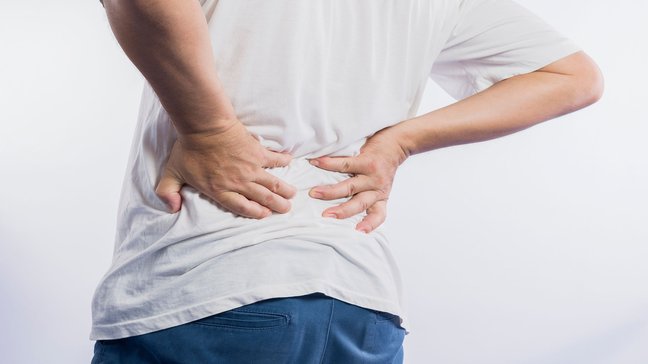
Facet arthrosis
Facet arthrosis, also known as vertebral joint arthrosis, is a degenerative disease of the small vertebral joints (facet joints). It arises from the wear and tear of the cartilage in the facet joints and is one of the most common causes of back pain,…
Rib blockade
A rib blockage refers to a functional disorder of mobility in the area of the vertebra-rib joints or the rib cartilage, which can lead to pain and restricted breathing. It often occurs suddenly and is usually associated with a sharp pain in the chest…
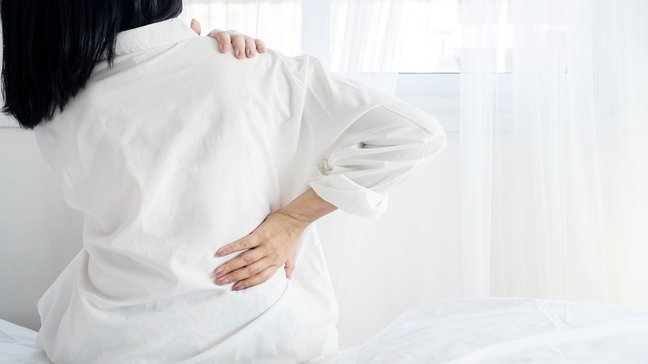
Spondylosis
Spondylosis is a degenerative disease of the spine characterized by wear processes on the vertebral bodies, intervertebral discs, and adjacent structures such as the facet joints. It often occurs in older people and can restrict the mobility of the…
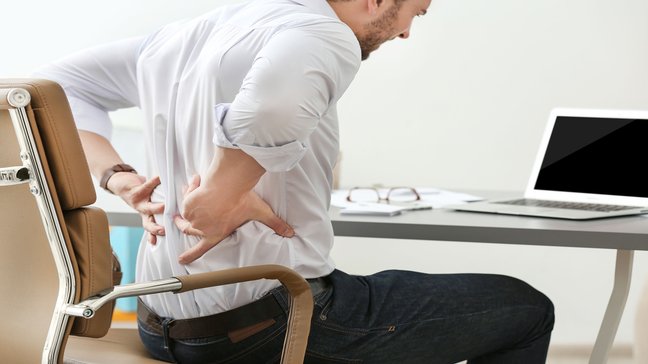
Spondylolisthesis (vertebral slipping)
Spondylolisthesis, also known as vertebral slipping, is a condition of the spine in which one vertebral body slips forward or backward relative to the vertebra below it. This misalignment can lead to back pain, restricted movement, and neurological…
Back pain (lumbago)
Classification of Back Pain
Back pain can be classified by duration and cause:
- Acute back pain: Pain that occurs suddenly and usually lasts less than six weeks.
- Chronic back pain: Complaints that last longer than three months and are often recurrent.
- Nonspecific back pain: Pain without a clear organic cause, often due to muscular tension or overload.
- Specific back pain: Pain with a clear cause such as herniated discs, vertebral fractures, or inflammatory diseases.
Causes of back pain
The main causes of back pain can be divided into several categories:
- Muscular causes:
- Tension or strains due to poor posture, heavy lifting, or prolonged sitting.
- Degenerative changes:
- Wear and tear such as disc wear (osteochondrosis) or osteoarthritis of the facet joints.
- Disc problems:
- Herniated discs or bulges that compress nerve roots.
- Spinal misalignments:
- Scoliosis, kyphosis, or hyperlordosis can cause improper loading and pain.
- Inflammatory diseases:
- Ankylosing spondylitis or other inflammatory spinal diseases.
- Traumatic causes:
- Injuries from falls, accidents, or vertebral fractures.
Symptoms of back pain
The symptoms of back pain depend on the cause and severity of the complaints:
- Local pain: Pain in the lower back, which can be dull or sharp.
- Radiating pain: Pain that radiates into the buttocks, hips, or legs, often in cases of herniated discs.
- Movement restrictions: Problems with bending, turning, or straightening up.
- Muscular tension: Hardening of the back muscles that restricts the range of motion.
- Neurological symptoms: Tingling, numbness, or muscle weakness when nerves are involved.
- Stiffness: Morning stiffness, especially in inflammatory causes.
Diagnosis of Back Pain
The diagnosis is made through a combination of medical history, physical examination, and imaging techniques:
- Medical history:
- The doctor inquires about the type, duration, and intensity of the pain as well as possible triggers.
- Physical examination:
- Examination of posture, movement restrictions, and reflexes.
- Imaging techniques:
- X-ray: To assess vertebral changes and misalignments.
- MRI: High-resolution imaging of discs, nerves, and soft tissues.
- CT: Detailed imaging of the bony structures of the spine.
Treatment options for back pain
Conservative Therapy
Most back pain can be treated with non-surgical measures:
- Physiotherapy:
- Exercises to strengthen the back muscles and improve mobility.
- Medication Therapy:
- NSAIDs for pain relief and anti-inflammation.
- Manual Therapy:
- Mobilization techniques to relieve the spine.
- Heat or Cold Therapy:
- Heat packs or ice treatments to relax the muscles.
- Ergonomic Adjustments:
- Optimization of the workplace and avoidance of poor posture.
Surgical Therapy
In severe or chronic cases that do not respond to conservative measures, surgical interventions may be necessary:
- Disc Surgery:
- Removal of disc tissue in cases of herniation with nerve compression.
- Fusion Surgery (Spondylodesis):
- Stabilization of the spine in cases of severe instability or spondylolisthesis.
- Minimally Invasive Procedures:
- For example, denervation for pain reduction in chronic facet joint arthrosis.
Preventive measures for back pain
To prevent back pain, the following measures are recommended:
- Regular exercise: Promote back health through sports such as swimming or yoga.
- Muscle strengthening: Strengthen the core muscles to stabilize the spine.
- Ergonomic posture: Optimize sitting and standing postures in everyday life.
- Weight reduction: Reduce excessive strain on the spine through a healthy body weight.
- Early detection: Seek medical advice promptly at the first signs of discomfort to avoid chronic conditions.
Facet arthrosis
Facet arthrosis, also known as vertebral joint arthrosis, is a degenerative disease of the small vertebral joints (facet joints). It arises from the wear and tear of the cartilage in the facet joints and is one of the most common causes of back pain,…
Rib blockade
A rib blockage refers to a functional disorder of mobility in the area of the vertebra-rib joints or the rib cartilage, which can lead to pain and restricted breathing. It often occurs suddenly and is usually associated with a sharp pain in the chest…
Spondylosis
Spondylosis is a degenerative disease of the spine characterized by wear processes on the vertebral bodies, intervertebral discs, and adjacent structures such as the facet joints. It often occurs in older people and can restrict the mobility of the…
Spondylolisthesis (vertebral slipping)
Spondylolisthesis, also known as vertebral slipping, is a condition of the spine in which one vertebral body slips forward or backward relative to the vertebra below it. This misalignment can lead to back pain, restricted movement, and neurological…