

Yoga Therapy
When is yoga therapy used?
Yoga therapy is used for various ailments and for general health promotion, including:
- Chronic pain (e.g., back pain, neck pain)
- Stress and anxiety
- Depression
- Cardiovascular diseases
- Respiratory diseases
- Joint complaints (e.g., arthritis, osteoarthritis)
- Digestive problems
- Sleep disorders
- Rehabilitation after injuries or surgeries
Benefits of Yoga Therapy
- Pain relief: Effectively reduces chronic pain and muscle tension.
- Stress reduction: Promotes relaxation and can help reduce stress and anxiety.
- Improvement of mobility: Increases the flexibility and mobility of joints and muscles.
- Strengthening of muscles: Strengthens the muscles and improves posture.
- Promotion of mental health: Supports emotional balance and overall well-being.
- Improvement of breathing: Promotes healthy breathing techniques and can alleviate breathing difficulties.
- Holistic effect: Considers body and mind as a unit and addresses the causes of complaints.
- Individually tailored: The exercises and techniques are tailored to the specific needs of the patient.
Conducting Yoga Therapy
- Examination: The yoga therapist conducts a thorough medical history and physical examination to understand the individual needs and health challenges of the patient.
- Treatment: The therapy includes a combination of asanas (physical exercises), pranayama (breathing techniques), meditation, and relaxation techniques. These elements are individually tailored to achieve the best possible results.
- Duration of treatment: A session usually lasts between 45 and 90 minutes.
- Frequency of sessions: Depending on the type and severity of the complaints, several sessions per week may be necessary.
What you need to consider before yoga therapy
- Health issues: Inform the yoga therapist about existing health problems or injuries.
- Medications: Let the yoga therapist know if you are taking medications that could affect your physical performance.
- Preparation: Wear comfortable, non-restrictive clothing and bring a yoga mat if necessary.
Debriefing and Consultation
After the yoga therapy, the yoga therapist will discuss the exercises and their execution with you. The therapist will assess whether further adjustments are necessary and how the yoga therapy can be integrated into your overall health or rehabilitation plan. Additional recommendations may include exercises for home, adjustments in the daily routine, or other complementary measures to optimize the results.
Dear patient!
Unfortunately, we are not currently offering therapy for this condition at our center. However, we warmly invite you to schedule an appointment so that we can assess your situation individually. Often, different therapeutic approaches are suitable for a specific situation. We will be happy to recommend, if necessary, a specialist physician or an appropriate center that can alternatively assist you directly.
Schedule an appointment

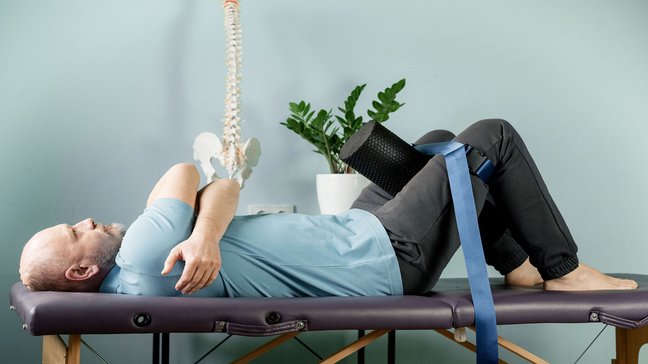
Feldenkrais Method
The Feldenkrais Method is a holistic movement therapy aimed at improving body awareness and promoting more efficient movement patterns. It was developed by Moshé Feldenkrais and is based on the idea that conscious movement and learning can activate…
Alexander Technique
The Alexander Technique is a proven method for improving posture and movement economy. Developed by Frederick Matthias Alexander in the late 19th century, this technique aims to identify and resolve tension and poor posture by focusing on conscious…

Pilates
Pilates is a holistic training method aimed at improving posture, flexibility, and musculature. This method combines controlled movements with conscious breathing to strengthen the core muscles and promote overall well-being. Pilates can be used both…
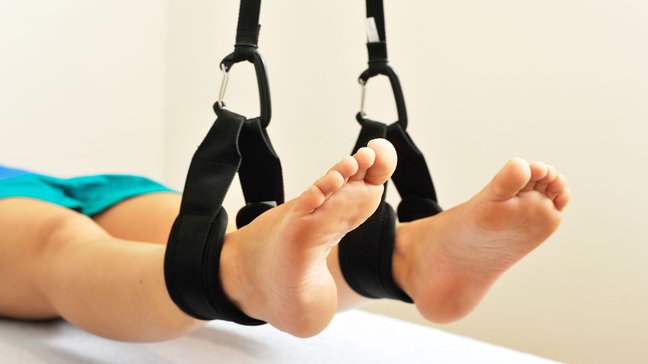
Suspension table therapy
The sling table therapy is a physiotherapeutic treatment method used for the relief and mobilization of the musculoskeletal system. With the help of a special device, the sling table, various body parts are suspended in slings to partially or…
Yoga Therapy
When is yoga therapy used?
Yoga therapy is used for various ailments and for general health promotion, including:
- Chronic pain (e.g., back pain, neck pain)
- Stress and anxiety
- Depression
- Cardiovascular diseases
- Respiratory diseases
- Joint complaints (e.g., arthritis, osteoarthritis)
- Digestive problems
- Sleep disorders
- Rehabilitation after injuries or surgeries
Benefits of Yoga Therapy
- Pain relief: Effectively reduces chronic pain and muscle tension.
- Stress reduction: Promotes relaxation and can help reduce stress and anxiety.
- Improvement of mobility: Increases the flexibility and mobility of joints and muscles.
- Strengthening of muscles: Strengthens the muscles and improves posture.
- Promotion of mental health: Supports emotional balance and overall well-being.
- Improvement of breathing: Promotes healthy breathing techniques and can alleviate breathing difficulties.
- Holistic effect: Considers body and mind as a unit and addresses the causes of complaints.
- Individually tailored: The exercises and techniques are tailored to the specific needs of the patient.
Conducting Yoga Therapy
- Examination: The yoga therapist conducts a thorough medical history and physical examination to understand the individual needs and health challenges of the patient.
- Treatment: The therapy includes a combination of asanas (physical exercises), pranayama (breathing techniques), meditation, and relaxation techniques. These elements are individually tailored to achieve the best possible results.
- Duration of treatment: A session usually lasts between 45 and 90 minutes.
- Frequency of sessions: Depending on the type and severity of the complaints, several sessions per week may be necessary.
What you need to consider before yoga therapy
- Health issues: Inform the yoga therapist about existing health problems or injuries.
- Medications: Let the yoga therapist know if you are taking medications that could affect your physical performance.
- Preparation: Wear comfortable, non-restrictive clothing and bring a yoga mat if necessary.
Debriefing and Consultation
After the yoga therapy, the yoga therapist will discuss the exercises and their execution with you. The therapist will assess whether further adjustments are necessary and how the yoga therapy can be integrated into your overall health or rehabilitation plan. Additional recommendations may include exercises for home, adjustments in the daily routine, or other complementary measures to optimize the results.
Dear patient!
Unfortunately, we are not currently offering therapy for this condition at our center. However, we warmly invite you to schedule an appointment so that we can assess your situation individually. Often, different therapeutic approaches are suitable for a specific situation. We will be happy to recommend, if necessary, a specialist physician or an appropriate center that can alternatively assist you directly.
Schedule an appointment
Feldenkrais Method
The Feldenkrais Method is a holistic movement therapy aimed at improving body awareness and promoting more efficient movement patterns. It was developed by Moshé Feldenkrais and is based on the idea that conscious movement and learning can activate…
Alexander Technique
The Alexander Technique is a proven method for improving posture and movement economy. Developed by Frederick Matthias Alexander in the late 19th century, this technique aims to identify and resolve tension and poor posture by focusing on conscious…
Pilates
Pilates is a holistic training method aimed at improving posture, flexibility, and musculature. This method combines controlled movements with conscious breathing to strengthen the core muscles and promote overall well-being. Pilates can be used both…
Suspension table therapy
The sling table therapy is a physiotherapeutic treatment method used for the relief and mobilization of the musculoskeletal system. With the help of a special device, the sling table, various body parts are suspended in slings to partially or…