

Ultrasound therapy
When should ultrasound therapy be done?
Ultrasound therapy is recommended for symptoms such as:
- Chronic or acute pain
- Muscle tension or cramps
- Inflammation in joints or soft tissues
- Rehabilitation after injuries or surgeries
- Scar tissue and adhesions
- Bursitis or tendinitis
What you need to consider before ultrasound therapy.
Before the ultrasound therapy, you should inform the therapist about any existing health issues, especially if you are pregnant or have a pacemaker. Also, let the therapist know if you have skin problems or open wounds in the area to be treated. Avoid applying creams or lotions to the skin immediately before the treatment, as this may affect the effectiveness of the ultrasound therapy.
Conducting ultrasound therapy
During ultrasound therapy, a transducer is moved over the skin of the affected area. The transducer emits high-frequency sound waves that penetrate deep into the tissue. The therapist moves the transducer in circular motions to ensure an even treatment. The intensity and duration of the sound waves are adjusted to individual needs. The treatment usually lasts between 5 and 10 minutes. During the session, you may feel a slight warmth or gentle vibration, which is normal.
Debriefing and Consultation
After the ultrasound therapy, the therapist will discuss the results and your reaction to the treatment. The therapist will assess whether further sessions are necessary and how the therapy can be integrated into the overall treatment plan. Additional recommendations may include exercises, other physiotherapy measures, or adjustments in daily life to support healing and pain relief.
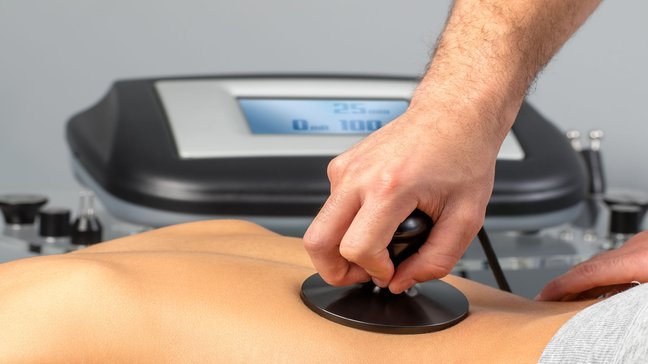
Stimawell
Stimawell therapy combines medium to high-frequency electrical muscle stimulation (EMS) with heat treatment to provide a multidimensional back therapy. This method is often used to relieve back pain, relax muscles, and aid rehabilitation. The dynamic…
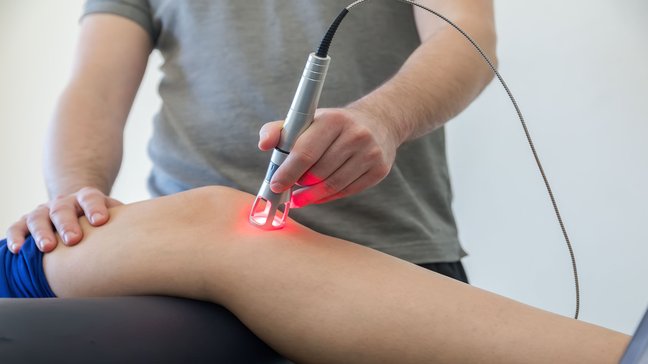
Laser treatment
Laser treatment is a therapeutic procedure that uses focused light to treat various medical and cosmetic problems. This method is often used for pain relief, wound healing, tissue repair, and the treatment of skin conditions. Laser therapy is…
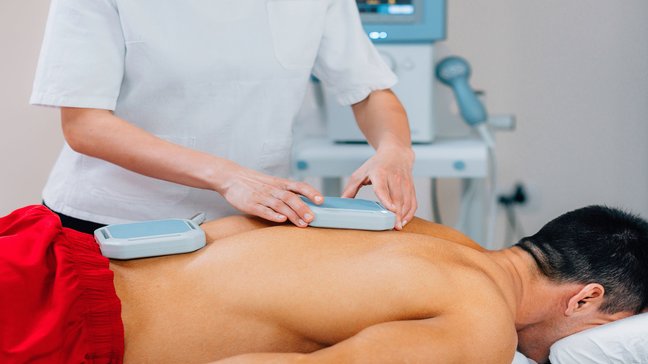
Magnetic field therapy
Magnetic field therapy is a therapeutic procedure that uses static or pulsating magnetic fields to treat various medical conditions. This method is often used to promote healing, relieve pain, and improve circulation. Magnetic fields are believed to…

High-tone therapy
High-tone therapy is a therapeutic procedure that uses high-frequency electrical currents to treat various medical conditions. This method is often used in physiotherapy to relieve pain, promote healing, and improve circulation. In high-tone therapy,…
Ultrasound therapy
When should ultrasound therapy be done?
Ultrasound therapy is recommended for symptoms such as:
- Chronic or acute pain
- Muscle tension or cramps
- Inflammation in joints or soft tissues
- Rehabilitation after injuries or surgeries
- Scar tissue and adhesions
- Bursitis or tendinitis
What you need to consider before ultrasound therapy.
Before the ultrasound therapy, you should inform the therapist about any existing health issues, especially if you are pregnant or have a pacemaker. Also, let the therapist know if you have skin problems or open wounds in the area to be treated. Avoid applying creams or lotions to the skin immediately before the treatment, as this may affect the effectiveness of the ultrasound therapy.
Conducting ultrasound therapy
During ultrasound therapy, a transducer is moved over the skin of the affected area. The transducer emits high-frequency sound waves that penetrate deep into the tissue. The therapist moves the transducer in circular motions to ensure an even treatment. The intensity and duration of the sound waves are adjusted to individual needs. The treatment usually lasts between 5 and 10 minutes. During the session, you may feel a slight warmth or gentle vibration, which is normal.
Debriefing and Consultation
After the ultrasound therapy, the therapist will discuss the results and your reaction to the treatment. The therapist will assess whether further sessions are necessary and how the therapy can be integrated into the overall treatment plan. Additional recommendations may include exercises, other physiotherapy measures, or adjustments in daily life to support healing and pain relief.
Stimawell
Stimawell therapy combines medium to high-frequency electrical muscle stimulation (EMS) with heat treatment to provide a multidimensional back therapy. This method is often used to relieve back pain, relax muscles, and aid rehabilitation. The dynamic…
Laser treatment
Laser treatment is a therapeutic procedure that uses focused light to treat various medical and cosmetic problems. This method is often used for pain relief, wound healing, tissue repair, and the treatment of skin conditions. Laser therapy is…
Magnetic field therapy
Magnetic field therapy is a therapeutic procedure that uses static or pulsating magnetic fields to treat various medical conditions. This method is often used to promote healing, relieve pain, and improve circulation. Magnetic fields are believed to…
High-tone therapy
High-tone therapy is a therapeutic procedure that uses high-frequency electrical currents to treat various medical conditions. This method is often used in physiotherapy to relieve pain, promote healing, and improve circulation. In high-tone therapy,…