

Swayback (Hyperlordosis)
Classification of Lordosis
The hollow back is classified according to cause and severity:
- Functional hyperlordosis:
- Temporary poor posture caused by muscular imbalances or misalignments.
- Structural hyperlordosis:
- Permanent misalignment, often caused by changes in the vertebrae or intervertebral discs.
- Compensatory hyperlordosis:
- Adjustment of the spine to compensate for other misalignments, e.g., in cases of leg length discrepancies.
Causes of lordosis
The causes of a hollow back are diverse and include:
- Lack of exercise and poor posture:
- Prolonged sitting in non-ergonomic positions or standing activities without compensatory movement can negatively affect posture.
- Muscular imbalances:
- An imbalance between weakened abdominal muscles and shortened hip flexor muscles leads to poor posture.
- Overweight:
- A large abdominal circumference increases pressure on the lumbar spine and promotes a hollow back.
- Pregnancy:
- The shift in the body's center of gravity due to the growing child often leads to temporary hyperlordosis.
- Spinal diseases:
- Congenital or acquired changes such as scoliosis or Scheuermann's disease can cause a hollow back.
- Psychological factors:
- Stress and psychological burdens can affect body posture and exacerbate a hollow back.
Symptoms of lordosis
The symptoms vary depending on the severity and duration of the poor posture:
- Back pain:
- Pain often occurs in the lower back, especially after prolonged standing or sitting.
- Movement restrictions:
- The mobility of the spine is often restricted, especially in forward or backward movements.
- Posture problems:
- Visible poor posture with a protruding abdomen and a backward-leaning upper body.
- Muscular tension:
- Chronic tension in the back muscles can cause additional discomfort.
- Stress pain:
- Pain during physical activity or stress due to increased strain on the lumbar spine.
Diagnosis of Lordosis
The diagnosis of a hollow back is made through a combination of medical history, physical examination, and imaging techniques:
- Medical history:
- The doctor inquires about the duration of symptoms, possible triggers, and previous treatments.
- Clinical examination:
- Visual inspection of posture and tests for spinal mobility and muscle strength.
- Imaging techniques:
- X-ray: Visualization of the curvature of the spine and possible structural changes.
- MRI: Examination of discs and soft tissues to assess damage or inflammation.
Treatment options for lordosis
Conservative Therapy
In most cases, a hollow back can be treated without surgery:
- Physiotherapy:
- Targeted exercises to strengthen the abdominal and back muscles and to stretch shortened muscles.
- Ergonomic Adjustments:
- Optimization of sitting and standing posture, e.g., through height-adjustable workstations.
- Weight Reduction:
- Reduction of abdominal circumference to relieve the lumbar spine.
- Manual Therapy:
- Treatment by physiotherapists to correct misalignments and relieve tension.
- Pain Therapy:
- Use of non-steroidal anti-inflammatory drugs (NSAIDs) to relieve pain and inflammation.
Surgical Therapy
In severe cases or with structural changes in the spine, surgery may be necessary:
- Spinal Stabilization:
- Surgical correction of the curvature and stabilization of the affected areas.
- Disc Surgery:
- Treatment of herniated discs or other degenerative changes causing the hollow back.
Preventive measures for lordosis
To prevent a hollow back, the following measures are recommended:
- Regular exercise: Promoting back health through sports such as swimming or yoga.
- Back school: Exercises to improve posture and stabilize the spine.
- Ergonomic workplace design: Use of height-adjustable desks and chairs.
- Strengthening exercises: Strengthening the abdominal and back muscles to support the spine.
- Correct posture: Avoiding poor posture during everyday activities such as sitting, standing, or lifting.
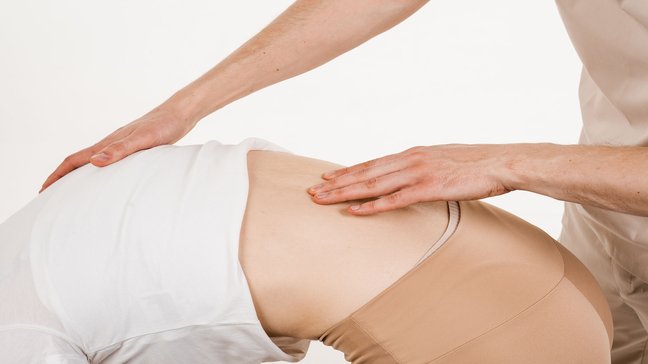
Ankylosing Spondylitis
Morbus Bechterew, also known as ankylosing spondylitis, is a chronic inflammatory disease that primarily affects the spine and the sacroiliac joints. The disease belongs to the group of seronegative spondyloarthritides and leads to ossification of…
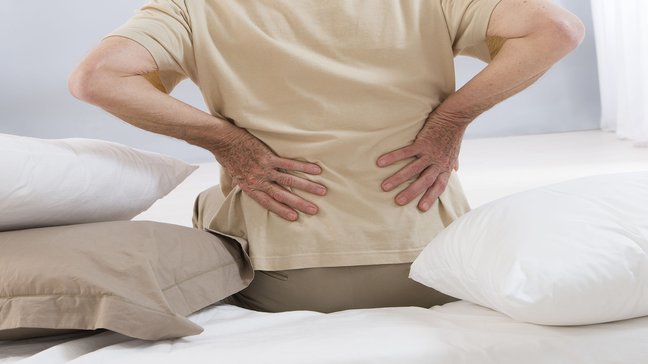
Lumbago
A lumbago, medically referred to as lumbago, is a sudden, sharp pain in the lower back, usually in the lumbar spine. It is one of the most common musculoskeletal complaints and affects people of all ages, with middle-aged adults being particularly…
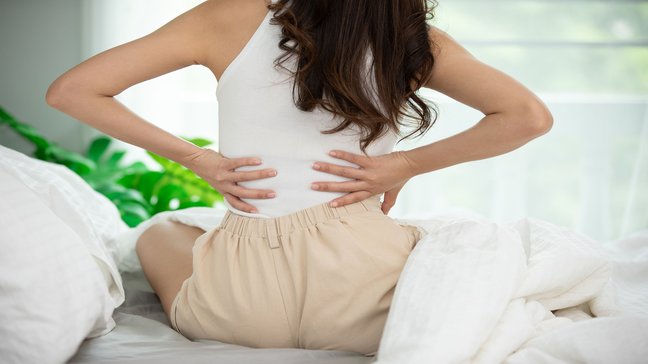
Failed Back Surgery Syndrome (FBSS)
The Failed Back Surgery Syndrome (FBSS), also known as post-discectomy syndrome or post-nucleotomy syndrome, refers to persistent or newly occurring pain in the back and leg area after spinal surgery. Despite surgical interventions aimed at reducing…
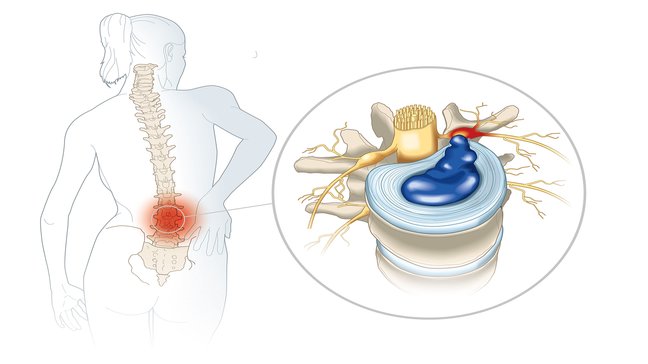
Herniated disc
A herniated disc (disc prolapse) occurs when the gelatinous core (nucleus pulposus) of a disc protrudes through the fibrous ring (annulus fibrosus). This condition can lead to pain, numbness, and restricted movement, especially if the protruding disc…
Swayback (Hyperlordosis)
Classification of Lordosis
The hollow back is classified according to cause and severity:
- Functional hyperlordosis:
- Temporary poor posture caused by muscular imbalances or misalignments.
- Structural hyperlordosis:
- Permanent misalignment, often caused by changes in the vertebrae or intervertebral discs.
- Compensatory hyperlordosis:
- Adjustment of the spine to compensate for other misalignments, e.g., in cases of leg length discrepancies.
Causes of lordosis
The causes of a hollow back are diverse and include:
- Lack of exercise and poor posture:
- Prolonged sitting in non-ergonomic positions or standing activities without compensatory movement can negatively affect posture.
- Muscular imbalances:
- An imbalance between weakened abdominal muscles and shortened hip flexor muscles leads to poor posture.
- Overweight:
- A large abdominal circumference increases pressure on the lumbar spine and promotes a hollow back.
- Pregnancy:
- The shift in the body's center of gravity due to the growing child often leads to temporary hyperlordosis.
- Spinal diseases:
- Congenital or acquired changes such as scoliosis or Scheuermann's disease can cause a hollow back.
- Psychological factors:
- Stress and psychological burdens can affect body posture and exacerbate a hollow back.
Symptoms of lordosis
The symptoms vary depending on the severity and duration of the poor posture:
- Back pain:
- Pain often occurs in the lower back, especially after prolonged standing or sitting.
- Movement restrictions:
- The mobility of the spine is often restricted, especially in forward or backward movements.
- Posture problems:
- Visible poor posture with a protruding abdomen and a backward-leaning upper body.
- Muscular tension:
- Chronic tension in the back muscles can cause additional discomfort.
- Stress pain:
- Pain during physical activity or stress due to increased strain on the lumbar spine.
Diagnosis of Lordosis
The diagnosis of a hollow back is made through a combination of medical history, physical examination, and imaging techniques:
- Medical history:
- The doctor inquires about the duration of symptoms, possible triggers, and previous treatments.
- Clinical examination:
- Visual inspection of posture and tests for spinal mobility and muscle strength.
- Imaging techniques:
- X-ray: Visualization of the curvature of the spine and possible structural changes.
- MRI: Examination of discs and soft tissues to assess damage or inflammation.
Treatment options for lordosis
Conservative Therapy
In most cases, a hollow back can be treated without surgery:
- Physiotherapy:
- Targeted exercises to strengthen the abdominal and back muscles and to stretch shortened muscles.
- Ergonomic Adjustments:
- Optimization of sitting and standing posture, e.g., through height-adjustable workstations.
- Weight Reduction:
- Reduction of abdominal circumference to relieve the lumbar spine.
- Manual Therapy:
- Treatment by physiotherapists to correct misalignments and relieve tension.
- Pain Therapy:
- Use of non-steroidal anti-inflammatory drugs (NSAIDs) to relieve pain and inflammation.
Surgical Therapy
In severe cases or with structural changes in the spine, surgery may be necessary:
- Spinal Stabilization:
- Surgical correction of the curvature and stabilization of the affected areas.
- Disc Surgery:
- Treatment of herniated discs or other degenerative changes causing the hollow back.
Preventive measures for lordosis
To prevent a hollow back, the following measures are recommended:
- Regular exercise: Promoting back health through sports such as swimming or yoga.
- Back school: Exercises to improve posture and stabilize the spine.
- Ergonomic workplace design: Use of height-adjustable desks and chairs.
- Strengthening exercises: Strengthening the abdominal and back muscles to support the spine.
- Correct posture: Avoiding poor posture during everyday activities such as sitting, standing, or lifting.
Ankylosing Spondylitis
Morbus Bechterew, also known as ankylosing spondylitis, is a chronic inflammatory disease that primarily affects the spine and the sacroiliac joints. The disease belongs to the group of seronegative spondyloarthritides and leads to ossification of…
Lumbago
A lumbago, medically referred to as lumbago, is a sudden, sharp pain in the lower back, usually in the lumbar spine. It is one of the most common musculoskeletal complaints and affects people of all ages, with middle-aged adults being particularly…
Failed Back Surgery Syndrome (FBSS)
The Failed Back Surgery Syndrome (FBSS), also known as post-discectomy syndrome or post-nucleotomy syndrome, refers to persistent or newly occurring pain in the back and leg area after spinal surgery. Despite surgical interventions aimed at reducing…
Herniated disc
A herniated disc (disc prolapse) occurs when the gelatinous core (nucleus pulposus) of a disc protrudes through the fibrous ring (annulus fibrosus). This condition can lead to pain, numbness, and restricted movement, especially if the protruding disc…