

Rib blockade
Classification of Rib Blockages
Rib blockages can be classified according to their location and cause:
- Costovertebral blockage: Movement restriction in the area of the joints between the ribs and spine.
- Costosternal blockage: Blockage of the connections between the rib cartilages and sternum.
- Costotransverse blockage: Dysfunction in the joints between the ribs and transverse processes of the vertebrae.
- Primary rib blockage: Caused by direct mechanical impacts.
- Secondary rib blockage: As a result of muscular imbalances or other conditions such as scoliosis.
Causes of rib blockage
The causes of rib blockages are varied and can have mechanical, muscular, or inflammatory backgrounds:
- Mechanical factors:
- Sudden movements, twists, or poor posture.
- Traumatic events such as a fall or an accident.
- Muscular imbalances:
- Tension in the intercostal muscles or the back.
- Overstrain from monotonous movements or heavy physical work.
- Diseases of the spine:
- Misalignments such as scoliosis or kyphosis increase the risk.
- Stress and psychological burdens:
- Psychosomatic tensions can favor functional blockages.
- Rare causes:
- Inflammatory processes such as arthritis or tumors.
Symptoms of rib blockage
The symptoms of a rib blockage are often characteristic and depend on the location of the blockage:
- **Stabbing pain:** Localized in the chest or back area, often dependent on breathing.
- **Movement restrictions:** Difficulty in turning or bending the upper body.
- **Breathing problems:** Restriction of deep inhalation and exhalation due to pain.
- **Pressure and tenderness:** Sensitivity over the affected rib or in the area of the spine.
- **Radiating pain:** Often in shoulders, arms, or upper abdomen.
Diagnosis of rib blockage
The diagnosis is based on a thorough medical history, clinical examination, and, if necessary, imaging techniques:
- Medical History:
- The doctor inquires about the onset, intensity, and possible triggers of the pain.
- Physical Examination:
- Palpation of the ribs and spine to identify painful or blocked areas.
- Functional tests, such as replicating certain movements, to locate the blockage.
- Imaging:
- X-ray: Exclusion of fractures or other structural changes.
- MRI: Visualization of soft tissue changes or inflammatory processes.
- Ultrasound: Assessment of muscle and joint structures.
Treatment options for rib blockage
Conservative Therapy
Most rib blockages can be successfully treated with non-operative measures:
- Manual Therapy:
- Mobilization of the blocked rib by physiotherapists or chiropractors.
- Physiotherapy:
- Strengthening and stretching of the chest and back muscles.
- Medication Therapy:
- NSAIDs: For pain relief and reduction of inflammation.
- Heat Therapy: Promotes blood circulation and muscle relaxation.
- Breathing Exercises: Improves breathing and mobilization of the ribs.
Operative Therapy
In rare cases, when the blockage is caused by structural changes or injuries, surgical measures may be necessary:
- Corrective Surgeries: For anatomical misalignments or after fractures.
- Removal of Tumors: If a space-occupying process is the cause.
Preventive measures for rib blockage
The following measures are suitable for the prevention and alleviation of discomfort caused by rib blockages:
- Ergonomic posture: Avoidance of poor posture in everyday life and work.
- Regular exercise: Strengthening of the core muscles through targeted training.
- Stress management: Relaxation techniques such as yoga or meditation.
- Avoidance of overload: Protection against sudden or strenuous movements.
- Early treatment: Consult a doctor promptly at the first signs of pain or tension.

Dizziness
Dizziness is a common symptom characterized by a disturbed sense of balance. Affected individuals often describe dizziness as a feeling of spinning, swaying, or unsteadiness in space. While dizziness is often due to neurological or internal medical…
Sacroiliac joint pain
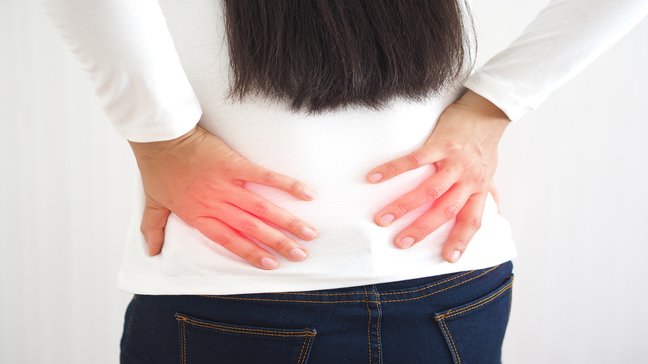
The sacroiliac joint pain, also known as SIJ pain, affects the sacroiliac joint (SIJ), which forms the connection between the sacrum and the ilium. This joint plays a central role in the transmission of force between the upper body and the legs.…

Facet arthrosis
Facet arthrosis, also known as vertebral joint arthrosis, is a degenerative disease of the small vertebral joints (facet joints). It arises from the wear and tear of the cartilage in the facet joints and is one of the most common causes of back pain,…

Neck pain
Neck pain is one of the most common complaints in modern society and can affect people of all ages. It can occur both acutely and chronically and may be accompanied by other symptoms such as tension, restricted movement, and headaches. Neck pain…
Rib blockade
Classification of Rib Blockages
Rib blockages can be classified according to their location and cause:
- Costovertebral blockage: Movement restriction in the area of the joints between the ribs and spine.
- Costosternal blockage: Blockage of the connections between the rib cartilages and sternum.
- Costotransverse blockage: Dysfunction in the joints between the ribs and transverse processes of the vertebrae.
- Primary rib blockage: Caused by direct mechanical impacts.
- Secondary rib blockage: As a result of muscular imbalances or other conditions such as scoliosis.
Causes of rib blockage
The causes of rib blockages are varied and can have mechanical, muscular, or inflammatory backgrounds:
- Mechanical factors:
- Sudden movements, twists, or poor posture.
- Traumatic events such as a fall or an accident.
- Muscular imbalances:
- Tension in the intercostal muscles or the back.
- Overstrain from monotonous movements or heavy physical work.
- Diseases of the spine:
- Misalignments such as scoliosis or kyphosis increase the risk.
- Stress and psychological burdens:
- Psychosomatic tensions can favor functional blockages.
- Rare causes:
- Inflammatory processes such as arthritis or tumors.
Symptoms of rib blockage
The symptoms of a rib blockage are often characteristic and depend on the location of the blockage:
- **Stabbing pain:** Localized in the chest or back area, often dependent on breathing.
- **Movement restrictions:** Difficulty in turning or bending the upper body.
- **Breathing problems:** Restriction of deep inhalation and exhalation due to pain.
- **Pressure and tenderness:** Sensitivity over the affected rib or in the area of the spine.
- **Radiating pain:** Often in shoulders, arms, or upper abdomen.
Diagnosis of rib blockage
The diagnosis is based on a thorough medical history, clinical examination, and, if necessary, imaging techniques:
- Medical History:
- The doctor inquires about the onset, intensity, and possible triggers of the pain.
- Physical Examination:
- Palpation of the ribs and spine to identify painful or blocked areas.
- Functional tests, such as replicating certain movements, to locate the blockage.
- Imaging:
- X-ray: Exclusion of fractures or other structural changes.
- MRI: Visualization of soft tissue changes or inflammatory processes.
- Ultrasound: Assessment of muscle and joint structures.
Treatment options for rib blockage
Conservative Therapy
Most rib blockages can be successfully treated with non-operative measures:
- Manual Therapy:
- Mobilization of the blocked rib by physiotherapists or chiropractors.
- Physiotherapy:
- Strengthening and stretching of the chest and back muscles.
- Medication Therapy:
- NSAIDs: For pain relief and reduction of inflammation.
- Heat Therapy: Promotes blood circulation and muscle relaxation.
- Breathing Exercises: Improves breathing and mobilization of the ribs.
Operative Therapy
In rare cases, when the blockage is caused by structural changes or injuries, surgical measures may be necessary:
- Corrective Surgeries: For anatomical misalignments or after fractures.
- Removal of Tumors: If a space-occupying process is the cause.
Preventive measures for rib blockage
The following measures are suitable for the prevention and alleviation of discomfort caused by rib blockages:
- Ergonomic posture: Avoidance of poor posture in everyday life and work.
- Regular exercise: Strengthening of the core muscles through targeted training.
- Stress management: Relaxation techniques such as yoga or meditation.
- Avoidance of overload: Protection against sudden or strenuous movements.
- Early treatment: Consult a doctor promptly at the first signs of pain or tension.
Dizziness
Dizziness is a common symptom characterized by a disturbed sense of balance. Affected individuals often describe dizziness as a feeling of spinning, swaying, or unsteadiness in space. While dizziness is often due to neurological or internal medical…
Sacroiliac joint pain
The sacroiliac joint pain, also known as SIJ pain, affects the sacroiliac joint (SIJ), which forms the connection between the sacrum and the ilium. This joint plays a central role in the transmission of force between the upper body and the legs.…
Facet arthrosis
Facet arthrosis, also known as vertebral joint arthrosis, is a degenerative disease of the small vertebral joints (facet joints). It arises from the wear and tear of the cartilage in the facet joints and is one of the most common causes of back pain,…
Neck pain
Neck pain is one of the most common complaints in modern society and can affect people of all ages. It can occur both acutely and chronically and may be accompanied by other symptoms such as tension, restricted movement, and headaches. Neck pain…