

Rheumatic diseases
Classification of rheumatic diseases
Rheumatic diseases can be divided into several categories:
- Inflammatory rheumatic diseases:
- Diseases such as rheumatoid arthritis, psoriatic arthritis, or Bechterew's disease (ankylosing spondylitis), which are characterized by chronic inflammatory processes.
- Degenerative diseases:
- Osteoarthritis, which is caused by the breakdown of cartilage tissue in the joints.
- Soft tissue rheumatism:
- Conditions such as fibromyalgia or tendinopathies that affect muscles, tendons, or ligaments.
- Systemic autoimmune diseases:
- Diseases such as lupus erythematosus or Sjögren's syndrome that attack connective tissue and internal organs.
- Metabolic rheumatic diseases:
- Gout or pseudogout, caused by the deposition of crystals in the joints.
Causes of rheumatic diseases
The causes of rheumatic diseases are diverse and depend on the specific type of disease. The following factors play a central role:
- Genetic predisposition:
- HLA gene variants and other genetic markers increase the risk of inflammatory rheumatic diseases.
- Autoimmune reactions:
- Misguided immune responses attack the body's own tissue.
- Degenerative processes:
- Age-related wear and mechanical stress promote cartilage breakdown.
- Metabolic disorders:
- Elevated uric acid levels in gout lead to the deposition of uric acid crystals in the joints.
- Environmental factors:
- Infections, smoking, or stress can exacerbate inflammatory processes.
Symptoms of rheumatic diseases
Symptoms vary depending on the type of disease and the affected tissue, but often include:
- Joint pain: Swelling and pain in small or large joints, often symmetrical.
- Movement limitations: Stiffness, especially in the morning, and reduced mobility.
- Signs of inflammation: Redness, swelling, and warmth of the affected joints.
- Muscle pain: Widespread pain in conditions such as fibromyalgia.
- Systemic symptoms: Fatigue, fever, weight loss, or general malaise.
Diagnosis of rheumatic diseases
Diagnosis is made through a combination of medical history, clinical examination, and specific tests:
- Medical history:
- The doctor asks about symptoms, disease course, family history, and risk factors.
- Physical examination:
- Assessment of joint mobility, swelling, and signs of inflammation.
- Laboratory tests:
- Rheumatoid factor, antibodies such as anti-CCP or ANA, as well as inflammatory markers such as CRP and ESR.
- Imaging:
- X-ray: Detection of joint changes or erosions.
- MRI: Detailed visualization of soft tissue inflammation.
- Ultrasound: To detect joint effusions or synovitis.
Treatment options for rheumatic diseases
Conservative Therapy
The treatment of rheumatic diseases aims to relieve symptoms, slow disease progression, and maintain quality of life:
- Pharmacological therapy:
- NSAIDs: To relieve pain and inflammation.
- DMARDs: Methotrexate, leflunomide, or hydroxychloroquine to slow disease progression.
- Biologics: Targeted therapies such as TNF-α inhibitors or IL-6 inhibitors.
- Corticosteroids: To treat acute inflammation.
- Physiotherapy:
- Promoting joint mobility and muscle strengthening.
- Occupational therapy:
- Support in adapting everyday life to limited mobility.
- Pain management:
- Multimodal approaches such as heat therapy, acupuncture, or relaxation techniques.
Surgical Therapy
In advanced disease or irreversible damage:
- Joint replacement: Use of prostheses for severe joint damage.
- Synovectomy: Removal of inflamed synovial membrane.
- Corrective surgeries: To restore joint function.
Preventive measures for rheumatic diseases
For prevention and improvement of quality of life in rheumatic diseases, the following measures are recommended:
- Regular physical activity: Maintaining joint function and strengthening the muscles.
- Healthy diet: An anti-inflammatory diet with omega-3 fatty acids and little sugar.
- Weight control: Avoiding excess weight to relieve the joints.
- Stress reduction: Promoting mental health through relaxation techniques.
- Early detection: Regular medical check-ups and treatment at the first symptoms.

Juvenile Arthritis
Juvenile arthritis, medically referred to as juvenile idiopathic arthritis (JIA), is a chronic inflammatory joint disease that occurs in children and adolescents under 16 years of age. It is the most common rheumatic disease in this age group and can…

Collagenoses
Collagenoses are a group of chronic inflammatory autoimmune diseases that affect connective tissue and various organ systems. They are characterized by a malfunction of the immune system, in which the body's own tissue is attacked. Collagenoses can…
Psoriatic arthritis
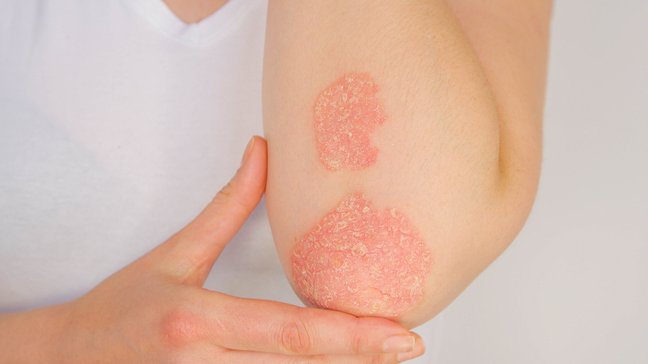
Psoriatic arthritis is a chronic inflammatory disease of the joints that occurs in connection with the skin condition psoriasis. It can lead to pain, restricted movement, and permanent joint damage if not treated in a timely manner. The disease often…
Rheumatic diseases
Classification of rheumatic diseases
Rheumatic diseases can be divided into several categories:
- Inflammatory rheumatic diseases:
- Diseases such as rheumatoid arthritis, psoriatic arthritis, or Bechterew's disease (ankylosing spondylitis), which are characterized by chronic inflammatory processes.
- Degenerative diseases:
- Osteoarthritis, which is caused by the breakdown of cartilage tissue in the joints.
- Soft tissue rheumatism:
- Conditions such as fibromyalgia or tendinopathies that affect muscles, tendons, or ligaments.
- Systemic autoimmune diseases:
- Diseases such as lupus erythematosus or Sjögren's syndrome that attack connective tissue and internal organs.
- Metabolic rheumatic diseases:
- Gout or pseudogout, caused by the deposition of crystals in the joints.
Causes of rheumatic diseases
The causes of rheumatic diseases are diverse and depend on the specific type of disease. The following factors play a central role:
- Genetic predisposition:
- HLA gene variants and other genetic markers increase the risk of inflammatory rheumatic diseases.
- Autoimmune reactions:
- Misguided immune responses attack the body's own tissue.
- Degenerative processes:
- Age-related wear and mechanical stress promote cartilage breakdown.
- Metabolic disorders:
- Elevated uric acid levels in gout lead to the deposition of uric acid crystals in the joints.
- Environmental factors:
- Infections, smoking, or stress can exacerbate inflammatory processes.
Symptoms of rheumatic diseases
Symptoms vary depending on the type of disease and the affected tissue, but often include:
- Joint pain: Swelling and pain in small or large joints, often symmetrical.
- Movement limitations: Stiffness, especially in the morning, and reduced mobility.
- Signs of inflammation: Redness, swelling, and warmth of the affected joints.
- Muscle pain: Widespread pain in conditions such as fibromyalgia.
- Systemic symptoms: Fatigue, fever, weight loss, or general malaise.
Diagnosis of rheumatic diseases
Diagnosis is made through a combination of medical history, clinical examination, and specific tests:
- Medical history:
- The doctor asks about symptoms, disease course, family history, and risk factors.
- Physical examination:
- Assessment of joint mobility, swelling, and signs of inflammation.
- Laboratory tests:
- Rheumatoid factor, antibodies such as anti-CCP or ANA, as well as inflammatory markers such as CRP and ESR.
- Imaging:
- X-ray: Detection of joint changes or erosions.
- MRI: Detailed visualization of soft tissue inflammation.
- Ultrasound: To detect joint effusions or synovitis.
Treatment options for rheumatic diseases
Conservative Therapy
The treatment of rheumatic diseases aims to relieve symptoms, slow disease progression, and maintain quality of life:
- Pharmacological therapy:
- NSAIDs: To relieve pain and inflammation.
- DMARDs: Methotrexate, leflunomide, or hydroxychloroquine to slow disease progression.
- Biologics: Targeted therapies such as TNF-α inhibitors or IL-6 inhibitors.
- Corticosteroids: To treat acute inflammation.
- Physiotherapy:
- Promoting joint mobility and muscle strengthening.
- Occupational therapy:
- Support in adapting everyday life to limited mobility.
- Pain management:
- Multimodal approaches such as heat therapy, acupuncture, or relaxation techniques.
Surgical Therapy
In advanced disease or irreversible damage:
- Joint replacement: Use of prostheses for severe joint damage.
- Synovectomy: Removal of inflamed synovial membrane.
- Corrective surgeries: To restore joint function.
Preventive measures for rheumatic diseases
For prevention and improvement of quality of life in rheumatic diseases, the following measures are recommended:
- Regular physical activity: Maintaining joint function and strengthening the muscles.
- Healthy diet: An anti-inflammatory diet with omega-3 fatty acids and little sugar.
- Weight control: Avoiding excess weight to relieve the joints.
- Stress reduction: Promoting mental health through relaxation techniques.
- Early detection: Regular medical check-ups and treatment at the first symptoms.
Juvenile Arthritis
Juvenile arthritis, medically referred to as juvenile idiopathic arthritis (JIA), is a chronic inflammatory joint disease that occurs in children and adolescents under 16 years of age. It is the most common rheumatic disease in this age group and can…
Collagenoses
Collagenoses are a group of chronic inflammatory autoimmune diseases that affect connective tissue and various organ systems. They are characterized by a malfunction of the immune system, in which the body's own tissue is attacked. Collagenoses can…
Psoriatic arthritis
Psoriatic arthritis is a chronic inflammatory disease of the joints that occurs in connection with the skin condition psoriasis. It can lead to pain, restricted movement, and permanent joint damage if not treated in a timely manner. The disease often…