

Pelvic tilt
Classification of Pelvic Tilt and Leg Length Discrepancy
Pelvic tilt and leg length discrepancy can be divided into different categories:
- Anatomical leg length discrepancy: Actual differences in the bone length of one leg compared to the other.
- Functional leg length discrepancy: Different leg lengths caused by muscular imbalances or joint misalignments.
- Acute pelvic tilt: Temporary tilting of the pelvis, for example, after an injury.
- Chronic pelvic tilt: Long-term misalignment, often caused by structural or muscular problems.
Causes of pelvic tilt and leg length discrepancy
The main causes of pelvic tilt and leg length discrepancy can be divided into several categories:
- Anatomical causes:
- Congenital differences in the length of the leg bones.
- Consequences of injuries, such as fractures or surgical interventions that change bone length.
- Functional causes:
- Muscular imbalances, for example, due to unilateral strain or tension.
- Misalignments of the hip, knee, or ankle joints.
- Muscular causes:
- Weaknesses or shortenings of the muscles in the pelvic and hip area.
- Traumatic events:
- Falls, accidents, or injuries affecting the pelvis or joints.
Symptoms of pelvic obliquity and leg length discrepancy
The symptoms of pelvic tilt and leg length discrepancy vary depending on the extent of the misalignment. Typical complaints include:
- Back pain: Pain, especially in the lower back area, due to the uneven load on the spine.
- Hip pain: Discomfort in the hip due to the asymmetrical load.
- Knee pain: Pain in the knee, often caused by the misalignment of the leg.
- Posture problems: Visible asymmetries such as a raised pelvis or uneven shoulder height.
- Movement restrictions: Difficulties in walking or standing for long distances due to the uneven load on the joints.
Diagnosis of pelvic obliquity and leg length discrepancy
The diagnosis is made through a combination of medical history, clinical examination, and imaging techniques:
- **Medical History:** The doctor inquires about the patient's medical history, existing symptoms, and possible injuries.
- **Physical Examination:** Assessment of posture, pelvic symmetry, and leg lengths through visual inspection and special tests.
- **Imaging Techniques:**
- **X-ray:** Accurate measurement of leg length and depiction of misalignments.
- **MRI:** Examination of soft tissues and muscles to identify muscular imbalances.
- **Leg Axis Measurement:** Detailed analysis of leg axes to assess functional leg length differences.
Treatment options for pelvic obliquity and leg length discrepancy
Conservative Therapy
Most cases can be treated without surgery:
- Physiotherapy:
- Strengthening exercises: Strengthening of the pelvic and trunk muscles to stabilize the spine.
- Stretching exercises: Promoting flexibility and relieving tense muscles.
- Shoe inserts:
- Special inserts to compensate for a leg length discrepancy and stabilize the pelvis.
- Manual therapy:
- Mobilization of the pelvis and joints to restore symmetry.
- Physical therapy:
- Targeted training to improve posture and movement patterns.
Surgical Therapy
Surgery is only considered in rare cases and for severe anatomical leg length discrepancies:
- Leg lengthening: Surgical procedure to adjust the length of the shorter leg.
- Pelvic stabilization: Procedures to correct structural misalignments in the pelvic area.
Preventive measures for pelvic tilt and leg length discrepancy
To prevent pelvic obliquity and leg length discrepancy, the following measures are recommended:
- Regular exercise: Building and maintaining strong core muscles through targeted training.
- Ergonomic work practices: Adjusting the workplace to promote a healthy sitting posture.
- Correct posture: Avoiding unilateral strain and consciously controlling posture in everyday life.
- Suitable footwear: Using well-fitting shoes with optimal support.
- Early treatment: Regular check-ups at the first signs of misalignment or discomfort.

Iliopsoas shortening
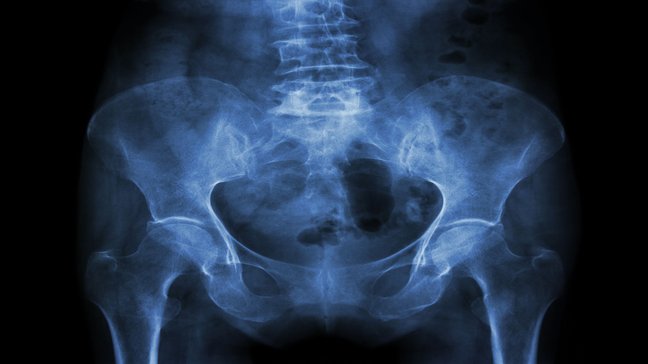
The iliopsoas shortening describes a shortening of the iliopsoas muscle, which consists of the psoas major muscle and the iliacus muscle. This muscle complex is the main flexor of the hip joint and plays an important role in stabilizing the spine. A…
Symphysitis
Symphysitis is an inflammatory condition of the pubic symphysis, causing pain and movement restrictions in the pelvic area. The symphysis is a cartilaginous joint between the two pubic bones, allowing for stability and flexibility of the pelvis.…

Tract syndrome
The tractus syndrome, also known as iliotibial band syndrome (ITBS), is a common overuse injury where the iliotibial band (tractus iliotibialis) becomes irritated due to repeated mechanical friction. This friction usually occurs in the area of the…
Adductor strain
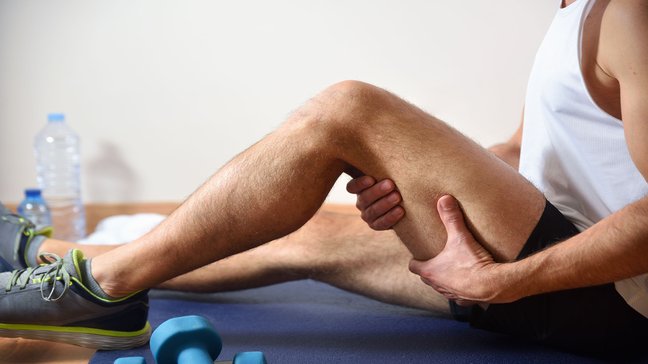
An adductor strain is a common sports injury caused by overstretching or overloading the adductor muscles on the inner thigh. This muscle group is responsible for bringing the leg toward the body's midline and plays a crucial role in movements such…
Pelvic tilt
Classification of Pelvic Tilt and Leg Length Discrepancy
Pelvic tilt and leg length discrepancy can be divided into different categories:
- Anatomical leg length discrepancy: Actual differences in the bone length of one leg compared to the other.
- Functional leg length discrepancy: Different leg lengths caused by muscular imbalances or joint misalignments.
- Acute pelvic tilt: Temporary tilting of the pelvis, for example, after an injury.
- Chronic pelvic tilt: Long-term misalignment, often caused by structural or muscular problems.
Causes of pelvic tilt and leg length discrepancy
The main causes of pelvic tilt and leg length discrepancy can be divided into several categories:
- Anatomical causes:
- Congenital differences in the length of the leg bones.
- Consequences of injuries, such as fractures or surgical interventions that change bone length.
- Functional causes:
- Muscular imbalances, for example, due to unilateral strain or tension.
- Misalignments of the hip, knee, or ankle joints.
- Muscular causes:
- Weaknesses or shortenings of the muscles in the pelvic and hip area.
- Traumatic events:
- Falls, accidents, or injuries affecting the pelvis or joints.
Symptoms of pelvic obliquity and leg length discrepancy
The symptoms of pelvic tilt and leg length discrepancy vary depending on the extent of the misalignment. Typical complaints include:
- Back pain: Pain, especially in the lower back area, due to the uneven load on the spine.
- Hip pain: Discomfort in the hip due to the asymmetrical load.
- Knee pain: Pain in the knee, often caused by the misalignment of the leg.
- Posture problems: Visible asymmetries such as a raised pelvis or uneven shoulder height.
- Movement restrictions: Difficulties in walking or standing for long distances due to the uneven load on the joints.
Diagnosis of pelvic obliquity and leg length discrepancy
The diagnosis is made through a combination of medical history, clinical examination, and imaging techniques:
- **Medical History:** The doctor inquires about the patient's medical history, existing symptoms, and possible injuries.
- **Physical Examination:** Assessment of posture, pelvic symmetry, and leg lengths through visual inspection and special tests.
- **Imaging Techniques:**
- **X-ray:** Accurate measurement of leg length and depiction of misalignments.
- **MRI:** Examination of soft tissues and muscles to identify muscular imbalances.
- **Leg Axis Measurement:** Detailed analysis of leg axes to assess functional leg length differences.
Treatment options for pelvic obliquity and leg length discrepancy
Conservative Therapy
Most cases can be treated without surgery:
- Physiotherapy:
- Strengthening exercises: Strengthening of the pelvic and trunk muscles to stabilize the spine.
- Stretching exercises: Promoting flexibility and relieving tense muscles.
- Shoe inserts:
- Special inserts to compensate for a leg length discrepancy and stabilize the pelvis.
- Manual therapy:
- Mobilization of the pelvis and joints to restore symmetry.
- Physical therapy:
- Targeted training to improve posture and movement patterns.
Surgical Therapy
Surgery is only considered in rare cases and for severe anatomical leg length discrepancies:
- Leg lengthening: Surgical procedure to adjust the length of the shorter leg.
- Pelvic stabilization: Procedures to correct structural misalignments in the pelvic area.
Preventive measures for pelvic tilt and leg length discrepancy
To prevent pelvic obliquity and leg length discrepancy, the following measures are recommended:
- Regular exercise: Building and maintaining strong core muscles through targeted training.
- Ergonomic work practices: Adjusting the workplace to promote a healthy sitting posture.
- Correct posture: Avoiding unilateral strain and consciously controlling posture in everyday life.
- Suitable footwear: Using well-fitting shoes with optimal support.
- Early treatment: Regular check-ups at the first signs of misalignment or discomfort.
Iliopsoas shortening
The iliopsoas shortening describes a shortening of the iliopsoas muscle, which consists of the psoas major muscle and the iliacus muscle. This muscle complex is the main flexor of the hip joint and plays an important role in stabilizing the spine. A…
Symphysitis
Symphysitis is an inflammatory condition of the pubic symphysis, causing pain and movement restrictions in the pelvic area. The symphysis is a cartilaginous joint between the two pubic bones, allowing for stability and flexibility of the pelvis.…
Tract syndrome
The tractus syndrome, also known as iliotibial band syndrome (ITBS), is a common overuse injury where the iliotibial band (tractus iliotibialis) becomes irritated due to repeated mechanical friction. This friction usually occurs in the area of the…
Adductor strain
An adductor strain is a common sports injury caused by overstretching or overloading the adductor muscles on the inner thigh. This muscle group is responsible for bringing the leg toward the body's midline and plays a crucial role in movements such…