

Osgood-Schlatter disease
Classification of Osgood-Schlatter Disease
Osgood-Schlatter disease can be classified depending on the affected structures and progression:
- Acute stress injuries: Arise from sudden or intense physical activities that cause overuse of the patellar tendon and its attachment to the shinbone.
- Chronic overload: Develops from repeated mechanical stresses during the growth phase. Typical for adolescents who engage in intensive sports.
- Unilateral manifestation: Affects only one knee, more common with less pronounced stress or asymmetric movement patterns.
- Bilateral manifestation: Both knees are affected, usually in highly demanding sports or due to genetic predisposition.
Causes of Osgood-Schlatter disease
The main cause of the disease lies in repeated mechanical overload during the growth phase:
- Mechanical load:
- Repeated tensile stress by the patellar tendon at the insertion of the shinbone (tibial tuberosity), especially in sports such as soccer, basketball, or athletics.
- Growth-related factors:
- Imbalance between bone growth and the adaptation of tendon and muscle structures.
- Risk factors:
- Intensive sports activities during growth.
- Genetic predisposition or familial clustering.
Symptoms of Osgood-Schlatter disease
The symptoms of Osgood-Schlatter disease are characteristic and often occur unilaterally, but sometimes also bilaterally:
- Pain: Pain below the kneecap, especially during activities such as jumping, running, or climbing stairs.
- Swelling: Local swelling at the tibial tuberosity.
- Tenderness: Pain when palpating the affected area.
- Movement restrictions: Problems with extending or bending the knee in advanced stages.
- Bony protrusion: Visible or palpable thickening at the tibial tuberosity as a late consequence of the disease.
Diagnosis of Osgood-Schlatter disease
The diagnosis is based on a combination of medical history, clinical examination, and imaging techniques:
- Medical History:
- The doctor inquires about typical symptoms, sports activities, and the duration of the complaints.
- Clinical Examination:
- Palpation of the tendon insertion below the kneecap for tenderness and swelling.
- Functional tests, e.g., extension of the knee under load.
- Imaging Techniques:
- X-ray: Visualization of ossifications or fragmentations of the tibial tuberosity.
- MRI: More precise assessment of soft tissues and inflammations.
Treatment options for Osgood-Schlatter disease
Conservative Therapy
In most cases, non-surgical treatment is sufficient:
- Load Reduction:
- Avoidance of sports activities or intense strain until the symptoms subside.
- Physiotherapy:
- Exercises for stretching and strengthening the thigh muscles, especially the quadriceps.
- Medication Therapy:
- NSAIDs (non-steroidal anti-inflammatory drugs) for pain relief and anti-inflammation.
- Cooling:
- Application of ice packs to reduce swelling and pain.
- Knee Braces:
- Relief of the affected area with special bandages or braces.
Surgical Therapy
Surgery is rarely necessary and is only performed in chronic cases with severe movement restrictions or persistent pain:
- Removal of Bone Fragments:
- Surgical removal of detached bone pieces at the tendon insertion.
- Reconstruction:
- Restoration of tendon insertions in severe changes.
Preventive measures for Osgood-Schlatter disease
To prevent or delay the disease, the following measures are recommended:
- Adjusted athletic activity: Avoid excessive training intensity, especially during growth spurts.
- Regular stretching: Exercises to improve the flexibility of the thigh muscles.
- Strengthening the leg muscles: Promote knee joint stability through targeted training.
- Wearing appropriate shoes: Use shock-absorbing sports shoes to reduce stress.
- Early treatment: Seek medical advice early at the first signs of discomfort.

Knee joint inflammation (arthritis)
Inflammation of the knee joint, medically referred to as arthritis of the knee joint, is an inflammatory condition that affects the knee joint. It can be triggered by infections, autoimmune diseases, or overuse and leads to pain, swelling, and…
Bursitis in the knee (Bursitis)
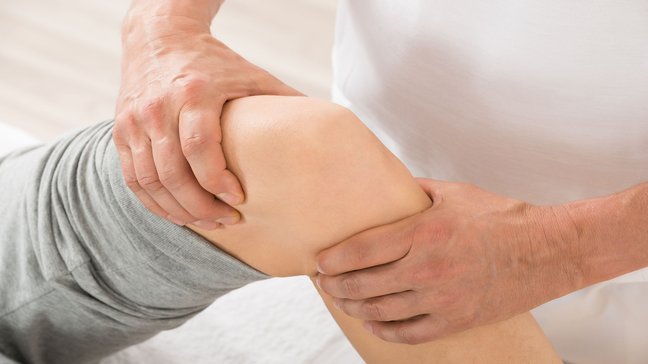
Bursitis in the knee, also known as bursitis, is an inflammatory condition of the bursae in the knee joint. These fluid-filled cushions reduce friction between bones, tendons, and muscles. There are several bursae in the knee, the most commonly…
Patellar tip syndrome (Jumper's Knee)
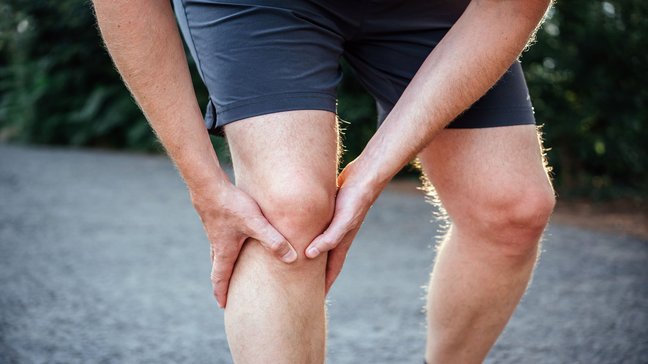
A patellar dislocation refers to the dislocation of the kneecap (patella) from its natural position in the femoral groove of the thigh bone (femur). This injury often occurs in young, active individuals and is usually associated with severe pain and…
Leg misalignments: knock-knee and bow-leg
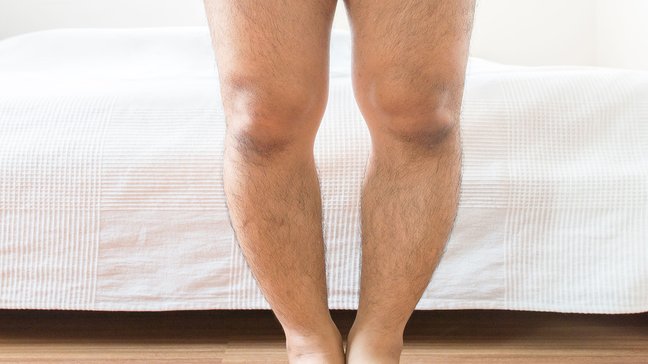
X-legs (genu valgum) and O-legs (genu varum) are misalignments of the leg axis that can lead to uneven stress on the joints. These misalignments primarily affect the knee joint and can cause long-term pain, wear and tear, and restricted mobility.
Osgood-Schlatter disease
Classification of Osgood-Schlatter Disease
Osgood-Schlatter disease can be classified depending on the affected structures and progression:
- Acute stress injuries: Arise from sudden or intense physical activities that cause overuse of the patellar tendon and its attachment to the shinbone.
- Chronic overload: Develops from repeated mechanical stresses during the growth phase. Typical for adolescents who engage in intensive sports.
- Unilateral manifestation: Affects only one knee, more common with less pronounced stress or asymmetric movement patterns.
- Bilateral manifestation: Both knees are affected, usually in highly demanding sports or due to genetic predisposition.
Causes of Osgood-Schlatter disease
The main cause of the disease lies in repeated mechanical overload during the growth phase:
- Mechanical load:
- Repeated tensile stress by the patellar tendon at the insertion of the shinbone (tibial tuberosity), especially in sports such as soccer, basketball, or athletics.
- Growth-related factors:
- Imbalance between bone growth and the adaptation of tendon and muscle structures.
- Risk factors:
- Intensive sports activities during growth.
- Genetic predisposition or familial clustering.
Symptoms of Osgood-Schlatter disease
The symptoms of Osgood-Schlatter disease are characteristic and often occur unilaterally, but sometimes also bilaterally:
- Pain: Pain below the kneecap, especially during activities such as jumping, running, or climbing stairs.
- Swelling: Local swelling at the tibial tuberosity.
- Tenderness: Pain when palpating the affected area.
- Movement restrictions: Problems with extending or bending the knee in advanced stages.
- Bony protrusion: Visible or palpable thickening at the tibial tuberosity as a late consequence of the disease.
Diagnosis of Osgood-Schlatter disease
The diagnosis is based on a combination of medical history, clinical examination, and imaging techniques:
- Medical History:
- The doctor inquires about typical symptoms, sports activities, and the duration of the complaints.
- Clinical Examination:
- Palpation of the tendon insertion below the kneecap for tenderness and swelling.
- Functional tests, e.g., extension of the knee under load.
- Imaging Techniques:
- X-ray: Visualization of ossifications or fragmentations of the tibial tuberosity.
- MRI: More precise assessment of soft tissues and inflammations.
Treatment options for Osgood-Schlatter disease
Conservative Therapy
In most cases, non-surgical treatment is sufficient:
- Load Reduction:
- Avoidance of sports activities or intense strain until the symptoms subside.
- Physiotherapy:
- Exercises for stretching and strengthening the thigh muscles, especially the quadriceps.
- Medication Therapy:
- NSAIDs (non-steroidal anti-inflammatory drugs) for pain relief and anti-inflammation.
- Cooling:
- Application of ice packs to reduce swelling and pain.
- Knee Braces:
- Relief of the affected area with special bandages or braces.
Surgical Therapy
Surgery is rarely necessary and is only performed in chronic cases with severe movement restrictions or persistent pain:
- Removal of Bone Fragments:
- Surgical removal of detached bone pieces at the tendon insertion.
- Reconstruction:
- Restoration of tendon insertions in severe changes.
Preventive measures for Osgood-Schlatter disease
To prevent or delay the disease, the following measures are recommended:
- Adjusted athletic activity: Avoid excessive training intensity, especially during growth spurts.
- Regular stretching: Exercises to improve the flexibility of the thigh muscles.
- Strengthening the leg muscles: Promote knee joint stability through targeted training.
- Wearing appropriate shoes: Use shock-absorbing sports shoes to reduce stress.
- Early treatment: Seek medical advice early at the first signs of discomfort.
Knee joint inflammation (arthritis)
Inflammation of the knee joint, medically referred to as arthritis of the knee joint, is an inflammatory condition that affects the knee joint. It can be triggered by infections, autoimmune diseases, or overuse and leads to pain, swelling, and…
Bursitis in the knee (Bursitis)
Bursitis in the knee, also known as bursitis, is an inflammatory condition of the bursae in the knee joint. These fluid-filled cushions reduce friction between bones, tendons, and muscles. There are several bursae in the knee, the most commonly…
Patellar tip syndrome (Jumper's Knee)
A patellar dislocation refers to the dislocation of the kneecap (patella) from its natural position in the femoral groove of the thigh bone (femur). This injury often occurs in young, active individuals and is usually associated with severe pain and…
Leg misalignments: knock-knee and bow-leg
X-legs (genu valgum) and O-legs (genu varum) are misalignments of the leg axis that can lead to uneven stress on the joints. These misalignments primarily affect the knee joint and can cause long-term pain, wear and tear, and restricted mobility.