

Kneecap osteoarthritis (retropatellar osteoarthritis)
Classification of Patellar Osteoarthritis
Kneecap osteoarthritis can be divided into different categories:
- Primary kneecap osteoarthritis: Develops without any recognizable external cause, usually due to age-related cartilage degradation.
- Secondary kneecap osteoarthritis: Arises as a result of misalignments, injuries, or chronic overuse of the knee joint.
- Local retropatellar osteoarthritis: Affects only the cartilage on the back of the kneecap.
- Generalized osteoarthritis with retropatellar involvement: Includes both the kneecap and other parts of the knee joint.
Causes of patellar osteoarthritis
The main causes of patellar osteoarthritis can be divided into several categories:
Mechanical overload:
Frequent stair climbing, squatting, or jumping strain the cartilage behind the kneecap.
Sports such as running or soccer can increase the risk.
Misalignments:
A misalignment of the kneecap (patellar malalignment) leads to uneven stress and cartilage wear.
Injuries:
Fractures or dislocations of the kneecap can promote osteoarthritis.
Degenerative processes:
Age-related changes in cartilage tissue lead to wear and tear of the patella.
Inflammatory diseases:
Chronic inflammations such as rheumatoid arthritis attack the cartilage and accelerate its degradation.
Symptoms of patellar osteoarthritis
The symptoms vary depending on the severity of osteoarthritis, but often include:
- Pain: Pain occurs especially when climbing stairs, getting up from a squat, or sitting for long periods with bent knees.
- Movement restrictions: Difficulty fully bending or straightening the knee.
- Grinding or rubbing: Mechanical noises during knee movements, especially when straightening.
- Swelling: Recurring swelling due to inflammatory processes or fluid accumulation in the joint.
- Instability: A feeling of giving way or insecurity when walking or standing.
- Tenderness: Pain when pressing on the front of the knee, especially directly on the kneecap.
Diagnosis of patellofemoral osteoarthritis
The diagnosis is made through a combination of medical history, physical examination, and imaging techniques:
- Medical History:
- The doctor asks about typical symptoms, such as pain when climbing stairs, and possible previous injuries.
- Physical Examination:
- Checking the mobility and stability of the knee as well as tests to locate the pain.
- Imaging Techniques:
- X-ray: Visualization of joint space narrowing and osteophytes behind the kneecap.
- MRI: Examination of cartilage damage and soft tissue changes.
- Ultrasound: Assessment of fluid accumulations or inflammatory processes.
Treatment options for patellar osteoarthritis
Conservative Therapy
Most cases of patellar osteoarthritis can be treated without surgery:
- Physiotherapy:
- Exercises to strengthen the thigh muscles and improve patellar stability.
- Medication Therapy:
- NSAIDs for pain relief and anti-inflammatory effects.
- Injections:
- Hyaluronic acid to improve knee lubrication.
- Cortisone for acute anti-inflammatory effects.
- Orthopedic Aids:
- Knee braces or supports to stabilize the patella.
Surgical Therapy
In cases of advanced patellar osteoarthritis or persistent symptoms, surgery may be necessary:
- Arthroscopic Procedures:
- Smoothing of damaged cartilage or removal of loose joint bodies.
- Corrective Osteotomy:
- Adjustment of patellar position in cases of misalignment.
- Prosthesis Implantation:
- Replacement of the retropatellar cartilage with a partial prosthesis.
Preventive measures for patellar osteoarthritis
To prevent patellar osteoarthritis, the following measures are recommended:
- Regular exercise: Joint-friendly activities such as swimming or cycling promote knee function.
- Strengthening the muscles: Targeted training of the thigh muscles stabilizes the kneecap.
- Ergonomic posture: Avoiding overload through correct movement patterns.
- Weight management: A healthy body weight reduces the strain on the knee.
- Early detection: At the first signs of discomfort, a doctor should be consulted early.
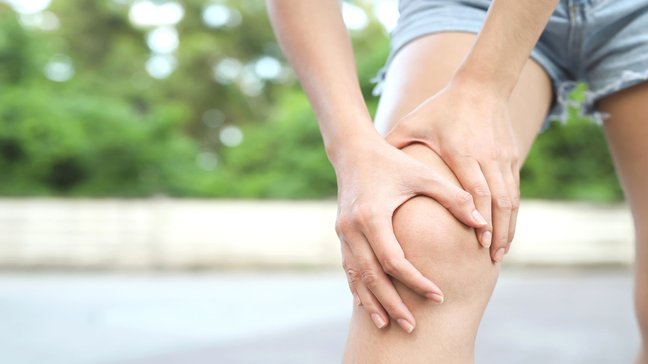
Medial collateral ligament tear
An inner ligament tear, medically referred to as a rupture of the medial collateral ligament (MCL), is a common knee injury. The inner ligament stabilizes the inside of the knee and protects the joint from bending inward (valgus stress). This injury…
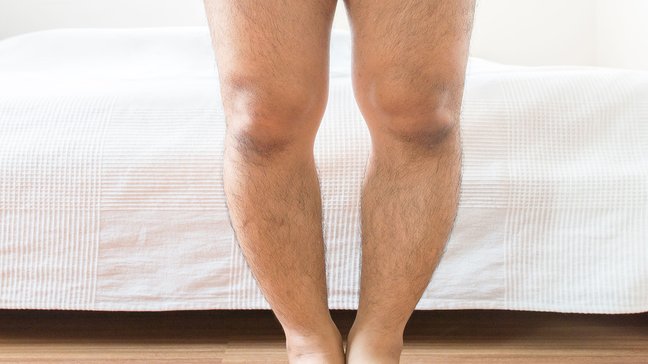
Leg misalignments: knock-knee and bow-leg
X-legs (genu valgum) and O-legs (genu varum) are misalignments of the leg axis that can lead to uneven stress on the joints. These misalignments primarily affect the knee joint and can cause long-term pain, wear and tear, and restricted mobility.
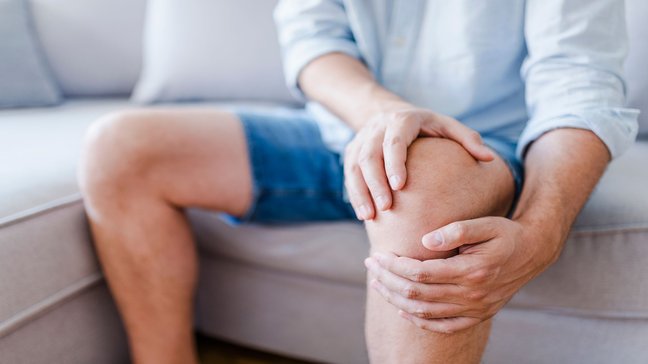
Bakerzyste
The Baker's cyst, also known as a popliteal cyst, is a fluid-filled protrusion of the joint capsule in the area of the popliteal fossa. It often occurs as a result of knee joint disorders such as osteoarthritis or meniscus damage and can cause pain,…
Kneecap osteoarthritis (retropatellar osteoarthritis)
Classification of Patellar Osteoarthritis
Kneecap osteoarthritis can be divided into different categories:
- Primary kneecap osteoarthritis: Develops without any recognizable external cause, usually due to age-related cartilage degradation.
- Secondary kneecap osteoarthritis: Arises as a result of misalignments, injuries, or chronic overuse of the knee joint.
- Local retropatellar osteoarthritis: Affects only the cartilage on the back of the kneecap.
- Generalized osteoarthritis with retropatellar involvement: Includes both the kneecap and other parts of the knee joint.
Causes of patellar osteoarthritis
The main causes of patellar osteoarthritis can be divided into several categories:
Mechanical overload:
Frequent stair climbing, squatting, or jumping strain the cartilage behind the kneecap.
Sports such as running or soccer can increase the risk.
Misalignments:
A misalignment of the kneecap (patellar malalignment) leads to uneven stress and cartilage wear.
Injuries:
Fractures or dislocations of the kneecap can promote osteoarthritis.
Degenerative processes:
Age-related changes in cartilage tissue lead to wear and tear of the patella.
Inflammatory diseases:
Chronic inflammations such as rheumatoid arthritis attack the cartilage and accelerate its degradation.
Symptoms of patellar osteoarthritis
The symptoms vary depending on the severity of osteoarthritis, but often include:
- Pain: Pain occurs especially when climbing stairs, getting up from a squat, or sitting for long periods with bent knees.
- Movement restrictions: Difficulty fully bending or straightening the knee.
- Grinding or rubbing: Mechanical noises during knee movements, especially when straightening.
- Swelling: Recurring swelling due to inflammatory processes or fluid accumulation in the joint.
- Instability: A feeling of giving way or insecurity when walking or standing.
- Tenderness: Pain when pressing on the front of the knee, especially directly on the kneecap.
Diagnosis of patellofemoral osteoarthritis
The diagnosis is made through a combination of medical history, physical examination, and imaging techniques:
- Medical History:
- The doctor asks about typical symptoms, such as pain when climbing stairs, and possible previous injuries.
- Physical Examination:
- Checking the mobility and stability of the knee as well as tests to locate the pain.
- Imaging Techniques:
- X-ray: Visualization of joint space narrowing and osteophytes behind the kneecap.
- MRI: Examination of cartilage damage and soft tissue changes.
- Ultrasound: Assessment of fluid accumulations or inflammatory processes.
Treatment options for patellar osteoarthritis
Conservative Therapy
Most cases of patellar osteoarthritis can be treated without surgery:
- Physiotherapy:
- Exercises to strengthen the thigh muscles and improve patellar stability.
- Medication Therapy:
- NSAIDs for pain relief and anti-inflammatory effects.
- Injections:
- Hyaluronic acid to improve knee lubrication.
- Cortisone for acute anti-inflammatory effects.
- Orthopedic Aids:
- Knee braces or supports to stabilize the patella.
Surgical Therapy
In cases of advanced patellar osteoarthritis or persistent symptoms, surgery may be necessary:
- Arthroscopic Procedures:
- Smoothing of damaged cartilage or removal of loose joint bodies.
- Corrective Osteotomy:
- Adjustment of patellar position in cases of misalignment.
- Prosthesis Implantation:
- Replacement of the retropatellar cartilage with a partial prosthesis.
Preventive measures for patellar osteoarthritis
To prevent patellar osteoarthritis, the following measures are recommended:
- Regular exercise: Joint-friendly activities such as swimming or cycling promote knee function.
- Strengthening the muscles: Targeted training of the thigh muscles stabilizes the kneecap.
- Ergonomic posture: Avoiding overload through correct movement patterns.
- Weight management: A healthy body weight reduces the strain on the knee.
- Early detection: At the first signs of discomfort, a doctor should be consulted early.
Medial collateral ligament tear
An inner ligament tear, medically referred to as a rupture of the medial collateral ligament (MCL), is a common knee injury. The inner ligament stabilizes the inside of the knee and protects the joint from bending inward (valgus stress). This injury…
Leg misalignments: knock-knee and bow-leg
X-legs (genu valgum) and O-legs (genu varum) are misalignments of the leg axis that can lead to uneven stress on the joints. These misalignments primarily affect the knee joint and can cause long-term pain, wear and tear, and restricted mobility.
Bakerzyste
The Baker's cyst, also known as a popliteal cyst, is a fluid-filled protrusion of the joint capsule in the area of the popliteal fossa. It often occurs as a result of knee joint disorders such as osteoarthritis or meniscus damage and can cause pain,…