

Knee joint inflammation (arthritis)
Classification of Knee Joint Inflammations
Knee joint inflammations can be divided into different categories:
- Infectious arthritis: Caused by bacteria, viruses, or fungi that infect the knee joint.
- Rheumatoid arthritis: An autoimmune disease where the immune system mistakenly attacks the knee joint.
- Reactive arthritis: Occurs as a result of an infection in another part of the body, such as the urinary tract or intestines.
- Gouty arthritis: Caused by deposits of uric acid crystals in the knee joint.
- Psoriatic arthritis: Occurs in patients with psoriasis and often affects the knee joint.
Causes of knee joint inflammation
The main causes of knee joint inflammation can be divided into several categories:
- Infections:
- Bacterial infections, e.g., caused by staphylococci, can cause acute arthritis.
- Viral infections, such as those from hepatitis or HIV viruses, can also trigger arthritis.
- Autoimmune diseases:
- In rheumatoid arthritis, the immune system attacks healthy tissue and causes chronic inflammation.
- Crystal deposits:
- Gout or pseudogout arise from the deposition of crystals in the joint, which trigger inflammatory processes.
- Trauma:
- Injuries or overuse of the knee can trigger secondary inflammation.
- Comorbidities:
- Other chronic diseases such as diabetes or psoriasis can promote the development of arthritis.
Symptoms of knee joint inflammation
The symptoms vary depending on the cause and severity of the inflammation, but often include:
- **Pain:** Pain occurs both at rest and during movement, often accompanied by a stabbing or pulling sensation in the knee.
- **Swelling:** Visible and palpable swelling due to the accumulation of fluid in the joint.
- **Redness and warmth:** The affected knee may be red and warmer than the surrounding skin.
- **Movement restrictions:** Difficulty bending and straightening the knee, especially in acute inflammations.
- **Joint stiffness:** The knee is often stiff and difficult to move, particularly after prolonged periods of rest.
- **Instability:** A feeling of insecurity when walking or standing due to swelling or pain.
Diagnosis of knee joint inflammation
The diagnosis is made through a combination of medical history, physical examination, and additional tests:
- Medical history:
- The doctor inquires about typical symptoms, possible triggers, and existing preconditions.
- Physical examination:
- Checking for swelling, redness, and tenderness, as well as tests for joint mobility.
- Laboratory tests:
- Analysis of blood values (e.g., inflammatory markers, rheumatoid factor, or uric acid levels).
- Imaging techniques:
- Ultrasound: To assess fluid accumulation in the joint.
- X-ray: Visualization of joint damage or crystal deposits.
- MRI: Detection of soft tissue changes and chronic inflammation.
Treatment options for knee joint inflammation
Conservative Therapy
In most cases, knee joint inflammation can be treated with conservative measures:
- Medication Therapy:
- NSAIDs for pain relief and anti-inflammation.
- Corticosteroid injections for acute anti-inflammation.
- Antibiotics for bacterial infections.
- Physiotherapy:
- Exercises to improve joint mobility and strengthen surrounding muscles.
- Joint Aspiration:
- Removal of fluid from the joint for pain relief and analysis.
- Ergonomic Adjustments:
- Use of walking aids or orthoses to relieve the joint.
Surgical Therapy
In cases of severe or chronic inflammation, surgery may be necessary:
- Arthroscopy:
- Removal of inflammatory tissue or crystal deposits from the joint.
- Synovectomy:
- Removal of the inflamed joint lining in rheumatoid arthritis.
- Joint Replacement:
- Implantation of a prosthesis in cases of irreparable joint damage.
Preventive measures for knee joint inflammation
To prevent knee joint inflammation, the following measures are recommended:
- Infection prevention: Avoid injuries and treat infections promptly.
- Weight management: A healthy body weight reduces stress on the joints.
- Regular exercise: Joint-friendly sports like swimming or cycling promote mobility.
- Early detection: At the first signs of discomfort, a doctor should be consulted promptly.
- Balanced diet: A healthy diet supports joint health and reduces the risk of crystal deposits.
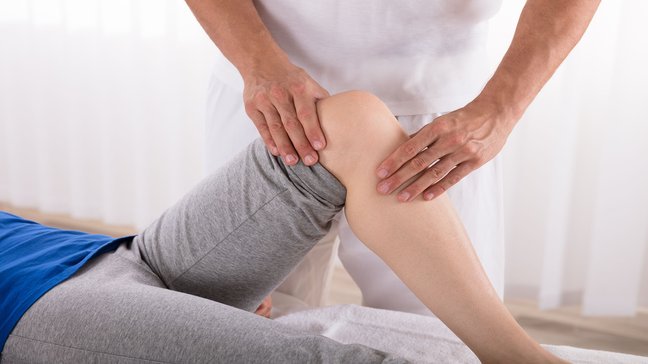
Pes anserinus syndrome
Pes anserinus syndrome, also known as pes anserinus bursitis, is a painful inflammation of the bursa (bursa anserina) below the inner knee joint. It often occurs in individuals with overuse, misalignments, or overweight. Athletes, older people, or…
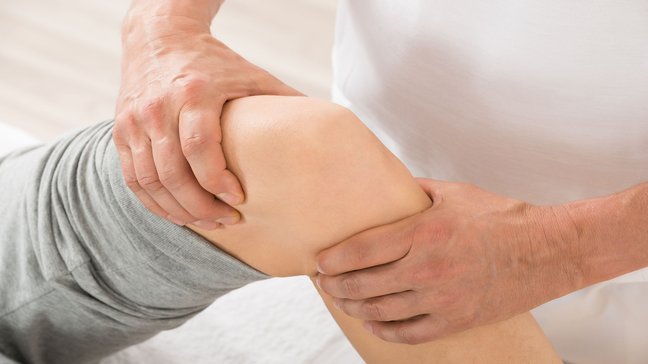
Bursitis in the knee (Bursitis)
Bursitis in the knee, also known as bursitis, is an inflammatory condition of the bursae in the knee joint. These fluid-filled cushions reduce friction between bones, tendons, and muscles. There are several bursae in the knee, the most commonly…
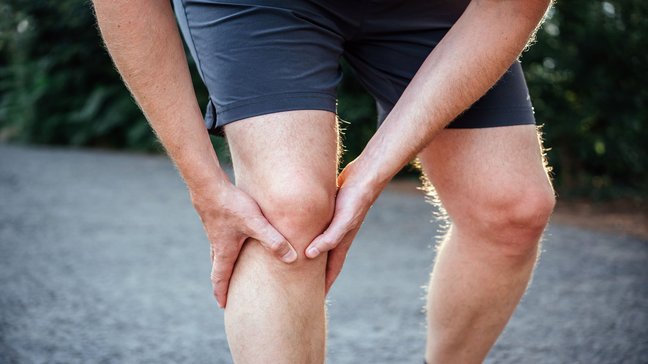
Patellar tip syndrome (Jumper's Knee)
A patellar dislocation refers to the dislocation of the kneecap (patella) from its natural position in the femoral groove of the thigh bone (femur). This injury often occurs in young, active individuals and is usually associated with severe pain and…
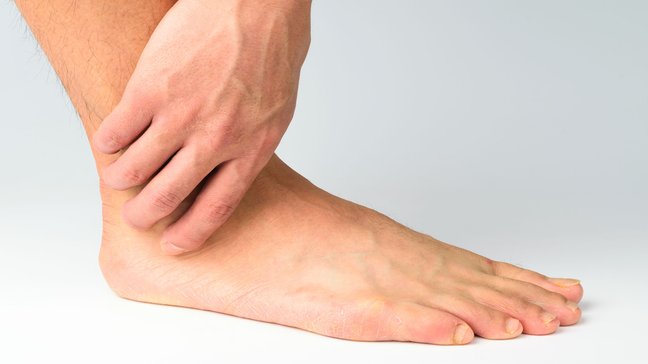
Osteochondrosis dissecans
Osteochondrosis dissecans (OD) is a joint disease in which a cartilage-bone fragment becomes detached. It primarily affects young, physically active individuals and often occurs in the knee joint, but can also affect other joints such as the ankle,…
Knee joint inflammation (arthritis)
Classification of Knee Joint Inflammations
Knee joint inflammations can be divided into different categories:
- Infectious arthritis: Caused by bacteria, viruses, or fungi that infect the knee joint.
- Rheumatoid arthritis: An autoimmune disease where the immune system mistakenly attacks the knee joint.
- Reactive arthritis: Occurs as a result of an infection in another part of the body, such as the urinary tract or intestines.
- Gouty arthritis: Caused by deposits of uric acid crystals in the knee joint.
- Psoriatic arthritis: Occurs in patients with psoriasis and often affects the knee joint.
Causes of knee joint inflammation
The main causes of knee joint inflammation can be divided into several categories:
- Infections:
- Bacterial infections, e.g., caused by staphylococci, can cause acute arthritis.
- Viral infections, such as those from hepatitis or HIV viruses, can also trigger arthritis.
- Autoimmune diseases:
- In rheumatoid arthritis, the immune system attacks healthy tissue and causes chronic inflammation.
- Crystal deposits:
- Gout or pseudogout arise from the deposition of crystals in the joint, which trigger inflammatory processes.
- Trauma:
- Injuries or overuse of the knee can trigger secondary inflammation.
- Comorbidities:
- Other chronic diseases such as diabetes or psoriasis can promote the development of arthritis.
Symptoms of knee joint inflammation
The symptoms vary depending on the cause and severity of the inflammation, but often include:
- **Pain:** Pain occurs both at rest and during movement, often accompanied by a stabbing or pulling sensation in the knee.
- **Swelling:** Visible and palpable swelling due to the accumulation of fluid in the joint.
- **Redness and warmth:** The affected knee may be red and warmer than the surrounding skin.
- **Movement restrictions:** Difficulty bending and straightening the knee, especially in acute inflammations.
- **Joint stiffness:** The knee is often stiff and difficult to move, particularly after prolonged periods of rest.
- **Instability:** A feeling of insecurity when walking or standing due to swelling or pain.
Diagnosis of knee joint inflammation
The diagnosis is made through a combination of medical history, physical examination, and additional tests:
- Medical history:
- The doctor inquires about typical symptoms, possible triggers, and existing preconditions.
- Physical examination:
- Checking for swelling, redness, and tenderness, as well as tests for joint mobility.
- Laboratory tests:
- Analysis of blood values (e.g., inflammatory markers, rheumatoid factor, or uric acid levels).
- Imaging techniques:
- Ultrasound: To assess fluid accumulation in the joint.
- X-ray: Visualization of joint damage or crystal deposits.
- MRI: Detection of soft tissue changes and chronic inflammation.
Treatment options for knee joint inflammation
Conservative Therapy
In most cases, knee joint inflammation can be treated with conservative measures:
- Medication Therapy:
- NSAIDs for pain relief and anti-inflammation.
- Corticosteroid injections for acute anti-inflammation.
- Antibiotics for bacterial infections.
- Physiotherapy:
- Exercises to improve joint mobility and strengthen surrounding muscles.
- Joint Aspiration:
- Removal of fluid from the joint for pain relief and analysis.
- Ergonomic Adjustments:
- Use of walking aids or orthoses to relieve the joint.
Surgical Therapy
In cases of severe or chronic inflammation, surgery may be necessary:
- Arthroscopy:
- Removal of inflammatory tissue or crystal deposits from the joint.
- Synovectomy:
- Removal of the inflamed joint lining in rheumatoid arthritis.
- Joint Replacement:
- Implantation of a prosthesis in cases of irreparable joint damage.
Preventive measures for knee joint inflammation
To prevent knee joint inflammation, the following measures are recommended:
- Infection prevention: Avoid injuries and treat infections promptly.
- Weight management: A healthy body weight reduces stress on the joints.
- Regular exercise: Joint-friendly sports like swimming or cycling promote mobility.
- Early detection: At the first signs of discomfort, a doctor should be consulted promptly.
- Balanced diet: A healthy diet supports joint health and reduces the risk of crystal deposits.
Pes anserinus syndrome
Pes anserinus syndrome, also known as pes anserinus bursitis, is a painful inflammation of the bursa (bursa anserina) below the inner knee joint. It often occurs in individuals with overuse, misalignments, or overweight. Athletes, older people, or…
Bursitis in the knee (Bursitis)
Bursitis in the knee, also known as bursitis, is an inflammatory condition of the bursae in the knee joint. These fluid-filled cushions reduce friction between bones, tendons, and muscles. There are several bursae in the knee, the most commonly…
Patellar tip syndrome (Jumper's Knee)
A patellar dislocation refers to the dislocation of the kneecap (patella) from its natural position in the femoral groove of the thigh bone (femur). This injury often occurs in young, active individuals and is usually associated with severe pain and…
Osteochondrosis dissecans
Osteochondrosis dissecans (OD) is a joint disease in which a cartilage-bone fragment becomes detached. It primarily affects young, physically active individuals and often occurs in the knee joint, but can also affect other joints such as the ankle,…