

Infiltrations
Was sind Infiltrationen?
Bei einer Infiltration werden Medikamente mit einer feinen Nadel gezielt in das betroffene Gewebe oder in die unmittelbare Umgebung der schmerzverursachenden Struktur injiziert. Abhängig vom Beschwerdebild kann die Behandlung beispielsweise an einem Gelenk, einer Sehne, einem Muskel oder einem Nerv erfolgen.
Ziel ist es, die Medikamente möglichst direkt am Behandlungsort einzusetzen. Bei tiefer liegenden oder schwer zugänglichen Strukturen kann die Infiltration unter Ultraschall- oder Röntgenkontrolle durchgeführt werden. Infiltrationen gehören zu den möglichen Verfahren der interventionellen Schmerztherapie.
When are infiltrations used?
Infiltrations are used for various complaints and conditions, including:
- Joint pain and arthritis
- Back pain and herniated discs
- Tendonitis and bursitis
- Muscle tension and trigger points
- Nerve inflammation and pain
- Sports injuries
- Chronic pain syndromes
Gelenkinfiltrationen
Gelenkinfiltrationen können eingesetzt werden, wenn Schmerzen oder entzündliche Reizungen gezielt in einem bestimmten Gelenk behandelt werden sollen. Welche Medikamente infrage kommen und ob eine bildgestützte Durchführung notwendig ist, wird individuell entschieden.
Welche Medikamente werden verwendet?
Welche Wirkstoffe eingesetzt werden, hängt vom jeweiligen Beschwerdebild und vom Ziel der Behandlung ab. Möglich sind beispielsweise:
- Lokalanästhetika zur örtlichen Schmerzlinderung;
- entzündungshemmende Medikamente;
- Hyaluronsäure bei bestimmten Gelenkbeschwerden;
- individuell ausgewählte Wirkstoffkombinationen.
Vor der Behandlung wird besprochen, welches Präparat infrage kommt und welche möglichen Vor- und Nachteile berücksichtigt werden müssen.
Advantages of Infiltrations
- Pain relief: Effectively reduces pain by directly treating the affected area.
- Anti-inflammatory: Reduces inflammation and promotes tissue healing.
- Fast-acting: Often provides quick relief of symptoms.
- Targeted treatment: Allows precise administration of medication to the affected area.
- Reduced systemic side effects: Minimizes the burden on the entire body compared to oral medications.
Carrying out the infiltrations.
- Examination: The doctor conducts a thorough medical history and physical examination to determine the exact location of the complaints.
- Preparation: The area to be treated is disinfected. If necessary, a local anesthetic may be applied.
- Injection: Using a fine needle, the medication is injected directly into the affected area. This can be done under imaging control such as ultrasound or X-ray to increase accuracy.
- Duration of treatment: An infiltration session usually lasts between 15 and 30 minutes.
- Frequency of sessions: Depending on the type and severity of the complaints, several sessions may be necessary.
What you need to consider before the infiltrations
- Health problems: Inform the doctor about existing health issues, especially infections, blood clotting disorders, or allergies.
- Medications: Inform the doctor about the medications you are taking, including blood thinners and dietary supplements.
- Allergies: Inform the doctor about known allergies to medications or local anesthetics.
- Preparation: Follow the doctor's instructions for preparation for the infiltration, such as fasting or adjusting medication.
Debriefing and Consultation
After the infiltration, the doctor will discuss the results and your reaction to the treatment. The doctor will assess whether further injections or complementary therapies are necessary. Additional recommendations may include physiotherapy, special exercises, or adjustments in daily life to support healing and pain relief.

Infiltration of the Occipital Nerve
The infiltration of the occipital nerve is a minimally invasive treatment method for alleviating pain caused by irritation or inflammation of the occipital nerve. This nerve block is often used for occipital neuralgia, which can cause severe…
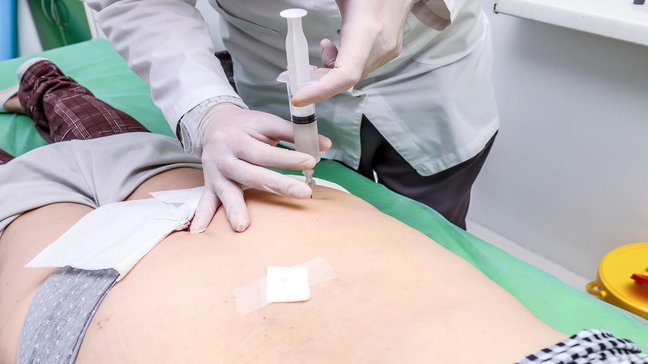
Infiltration of the piriformis muscle
The infiltration of the piriformis muscle is a minimally invasive treatment method for relieving pain caused by piriformis syndrome. The piriformis muscle runs from the sacrum to the femur and can compress the sciatic nerve when tense or cramped,…
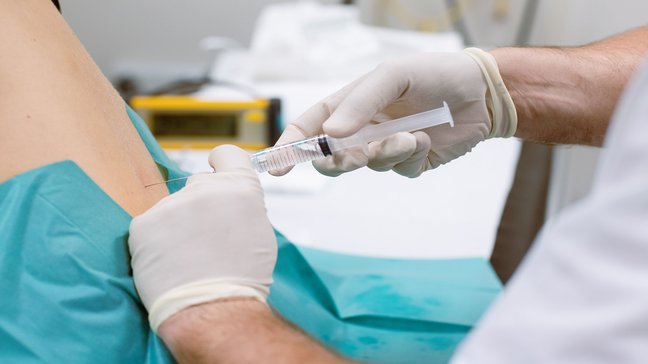
Infiltration at the Dorsal Ramus
Infiltration at the dorsal ramus is a minimally invasive treatment method used to relieve pain caused by irritation or inflammation of the dorsal branches (ramus dorsalis) of the spinal nerves. These nerve branches supply the facet joints, the back…
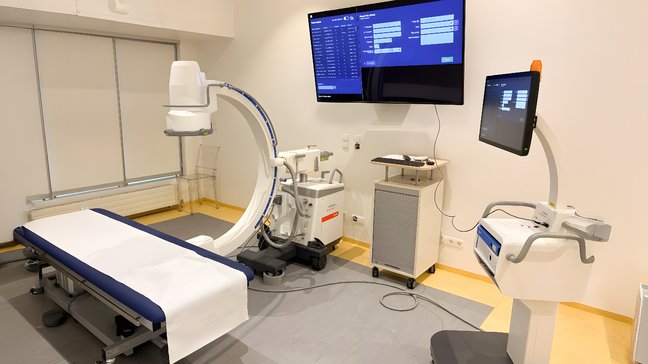
X-ray guided pain therapy
X-ray-guided pain therapy is a precise and effective treatment method for relieving pain. Imaging techniques such as X-rays are used to determine the exact location of the injection. This method is commonly used to treat chronic pain, particularly…
Infiltrations
Was sind Infiltrationen?
Bei einer Infiltration werden Medikamente mit einer feinen Nadel gezielt in das betroffene Gewebe oder in die unmittelbare Umgebung der schmerzverursachenden Struktur injiziert. Abhängig vom Beschwerdebild kann die Behandlung beispielsweise an einem Gelenk, einer Sehne, einem Muskel oder einem Nerv erfolgen.
Ziel ist es, die Medikamente möglichst direkt am Behandlungsort einzusetzen. Bei tiefer liegenden oder schwer zugänglichen Strukturen kann die Infiltration unter Ultraschall- oder Röntgenkontrolle durchgeführt werden. Infiltrationen gehören zu den möglichen Verfahren der interventionellen Schmerztherapie.
When are infiltrations used?
Infiltrations are used for various complaints and conditions, including:
- Joint pain and arthritis
- Back pain and herniated discs
- Tendonitis and bursitis
- Muscle tension and trigger points
- Nerve inflammation and pain
- Sports injuries
- Chronic pain syndromes
Gelenkinfiltrationen
Gelenkinfiltrationen können eingesetzt werden, wenn Schmerzen oder entzündliche Reizungen gezielt in einem bestimmten Gelenk behandelt werden sollen. Welche Medikamente infrage kommen und ob eine bildgestützte Durchführung notwendig ist, wird individuell entschieden.
Welche Medikamente werden verwendet?
Welche Wirkstoffe eingesetzt werden, hängt vom jeweiligen Beschwerdebild und vom Ziel der Behandlung ab. Möglich sind beispielsweise:
- Lokalanästhetika zur örtlichen Schmerzlinderung;
- entzündungshemmende Medikamente;
- Hyaluronsäure bei bestimmten Gelenkbeschwerden;
- individuell ausgewählte Wirkstoffkombinationen.
Vor der Behandlung wird besprochen, welches Präparat infrage kommt und welche möglichen Vor- und Nachteile berücksichtigt werden müssen.
Advantages of Infiltrations
- Pain relief: Effectively reduces pain by directly treating the affected area.
- Anti-inflammatory: Reduces inflammation and promotes tissue healing.
- Fast-acting: Often provides quick relief of symptoms.
- Targeted treatment: Allows precise administration of medication to the affected area.
- Reduced systemic side effects: Minimizes the burden on the entire body compared to oral medications.
Carrying out the infiltrations.
- Examination: The doctor conducts a thorough medical history and physical examination to determine the exact location of the complaints.
- Preparation: The area to be treated is disinfected. If necessary, a local anesthetic may be applied.
- Injection: Using a fine needle, the medication is injected directly into the affected area. This can be done under imaging control such as ultrasound or X-ray to increase accuracy.
- Duration of treatment: An infiltration session usually lasts between 15 and 30 minutes.
- Frequency of sessions: Depending on the type and severity of the complaints, several sessions may be necessary.
What you need to consider before the infiltrations
- Health problems: Inform the doctor about existing health issues, especially infections, blood clotting disorders, or allergies.
- Medications: Inform the doctor about the medications you are taking, including blood thinners and dietary supplements.
- Allergies: Inform the doctor about known allergies to medications or local anesthetics.
- Preparation: Follow the doctor's instructions for preparation for the infiltration, such as fasting or adjusting medication.
Debriefing and Consultation
After the infiltration, the doctor will discuss the results and your reaction to the treatment. The doctor will assess whether further injections or complementary therapies are necessary. Additional recommendations may include physiotherapy, special exercises, or adjustments in daily life to support healing and pain relief.
Infiltration of the Occipital Nerve
The infiltration of the occipital nerve is a minimally invasive treatment method for alleviating pain caused by irritation or inflammation of the occipital nerve. This nerve block is often used for occipital neuralgia, which can cause severe…
Infiltration of the piriformis muscle
The infiltration of the piriformis muscle is a minimally invasive treatment method for relieving pain caused by piriformis syndrome. The piriformis muscle runs from the sacrum to the femur and can compress the sciatic nerve when tense or cramped,…
Infiltration at the Dorsal Ramus
Infiltration at the dorsal ramus is a minimally invasive treatment method used to relieve pain caused by irritation or inflammation of the dorsal branches (ramus dorsalis) of the spinal nerves. These nerve branches supply the facet joints, the back…
X-ray guided pain therapy
X-ray-guided pain therapy is a precise and effective treatment method for relieving pain. Imaging techniques such as X-rays are used to determine the exact location of the injection. This method is commonly used to treat chronic pain, particularly…