

Hip pain
Classification of Hip Pain
Hip pain can be categorized into different types depending on the cause and location:
1. **Localized hip pain:**
- Pain that is confined to a specific area, such as the groin or the outside of the hip.
2. **Radiating hip pain:**
- Pain that originates from other regions, such as the lower back or the knee.
3. **Acute hip pain:**
- Sudden onset of discomfort, often due to injuries or inflammation.
4. **Chronic hip pain:**
- Long-lasting pain, usually caused by degenerative diseases.
Causes of hip pain
The causes of hip pain are varied and can be divided into the following categories:
- Degenerative diseases:
- Hip osteoarthritis (coxarthrosis): Wear and tear of the hip joint, leading to pain and movement restrictions.
- Inflammatory diseases:
- Trochanteric bursitis: Inflammation of the bursae in the hip, often caused by overuse.
- Tendinitis: Tendon inflammation in the hip area, often due to repetitive strain.
- Traumatic injuries:
- Hip fractures: Breaks in the femur, especially in older people after falls.
- Labrum tears: Injuries to the cartilage rim of the hip socket, which can cause pain and instability.
- Mechanical causes:
- Hip impingement: Mechanical pinching in the hip joint, especially in physically active individuals.
- Leg length discrepancy: Different leg lengths lead to asymmetrical strain and pain.
- Circulatory disorders:
- Avascular necrosis of the femoral head: Death of bone tissue in the femoral head due to impaired blood supply.
Symptoms of hip pain
The symptoms vary depending on the cause and severity of the complaints:
- Pain:
- Pain in the groin, buttocks, or outside of the hip, which may increase with movement or exertion.
- Movement restrictions:
- Difficulty walking, bending, or climbing stairs.
- Swelling:
- Visible or palpable swelling in the hip area, especially in inflammatory conditions.
- Grinding or rubbing:
- Mechanical noises in the joint during movement.
- Gait changes:
- Limping or an altered gait pattern to avoid pain.
Diagnosis of hip pain
The diagnosis of hip pain is made through medical history, physical examination, and imaging techniques:
- Medical history:
- The doctor inquires about the exact location of the pain, its duration, and possible triggers of the symptoms.
- Physical examination:
- Checking mobility, pain points, and gait pattern.
- Imaging techniques:
- X-ray: Visualization of bony changes such as osteoarthritis or fractures.
- MRI: Detailed examination of soft tissues and cartilage structures.
- Ultrasound: Visualization of bursitis or joint effusions.
Treatment options for hip pain
Conservative Therapy
Most cases of hip pain can be treated without surgery:
- Physiotherapy:
- Targeted exercises to strengthen the muscles and improve mobility.
- Medication Therapy:
- Painkillers and anti-inflammatory drugs like NSAIDs.
- Injections:
- Hyaluronic acid or cortisone to relieve inflammation and pain.
- Weight Reduction:
- Relieving the hip joint by reducing excess weight.
Surgical Therapy
In severe or therapy-resistant cases, surgery may be necessary:
- Arthroscopy:
- Minimally invasive removal of inflamed tissue or repair of labrum tears.
- Hip Endoprosthesis:
- Replacement of the damaged joint with an artificial hip in advanced osteoarthritis.
- Corrective Osteotomy:
- Adjustment of joint position in case of misalignments.
Preventive measures for hip pain
To prevent hip pain, the following measures are recommended:
- Regular exercise: Joint-friendly sports such as swimming or cycling promote hip health.
- Weight management: Reducing excess weight to relieve the hip.
- Ergonomic adjustments: Avoiding poor posture in everyday life and at the workplace.
- Strengthening the muscles: Exercises to stabilize the hip and pelvis.
- Early treatment: Consult a doctor at the first signs of hip pain.
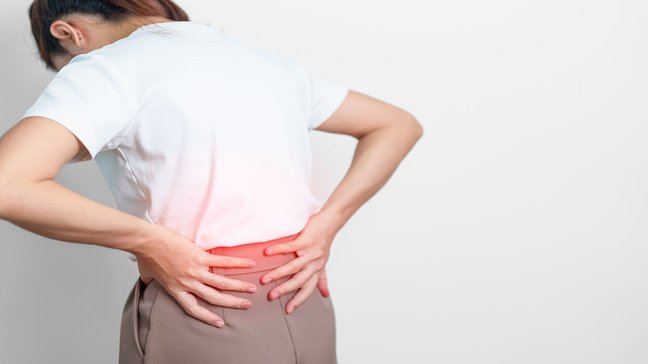
Iliopsoas shortening
The iliopsoas shortening describes a shortening of the iliopsoas muscle, which consists of the psoas major muscle and the iliacus muscle. This muscle complex is the main flexor of the hip joint and plays an important role in stabilizing the spine. A…
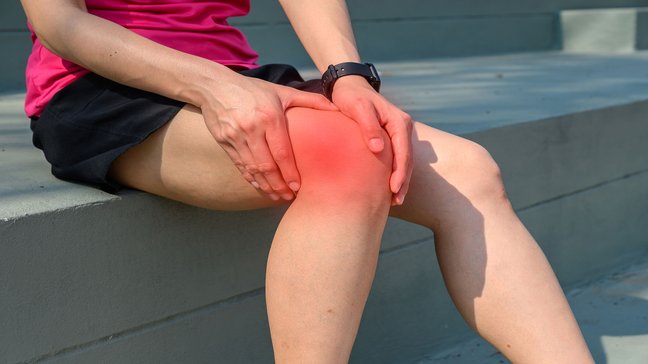
Tract syndrome
The tractus syndrome, also known as iliotibial band syndrome (ITBS), is a common overuse injury where the iliotibial band (tractus iliotibialis) becomes irritated due to repeated mechanical friction. This friction usually occurs in the area of the…
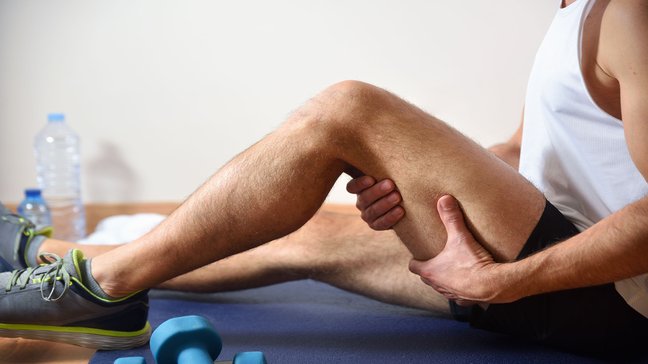
Adductor strain
An adductor strain is a common sports injury caused by overstretching or overloading the adductor muscles on the inner thigh. This muscle group is responsible for bringing the leg toward the body's midline and plays a crucial role in movements such…
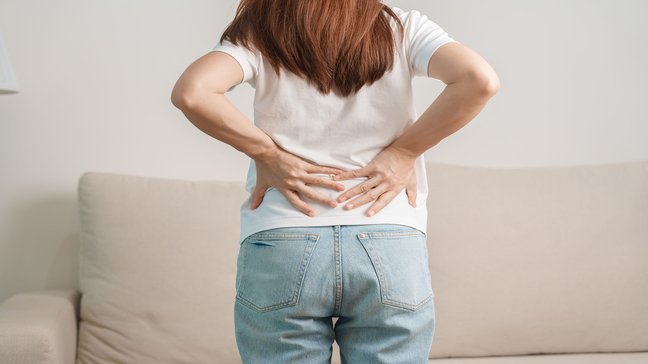
Piriformis syndrome
Piriformis syndrome is a neuromuscular disorder in which the piriformis muscle, a small, pear-shaped muscle in the buttock region, irritates or compresses the sciatic nerve. This irritation leads to pain that often radiates into the buttocks and the…
Hip pain
Classification of Hip Pain
Hip pain can be categorized into different types depending on the cause and location:
1. **Localized hip pain:**
- Pain that is confined to a specific area, such as the groin or the outside of the hip.
2. **Radiating hip pain:**
- Pain that originates from other regions, such as the lower back or the knee.
3. **Acute hip pain:**
- Sudden onset of discomfort, often due to injuries or inflammation.
4. **Chronic hip pain:**
- Long-lasting pain, usually caused by degenerative diseases.
Causes of hip pain
The causes of hip pain are varied and can be divided into the following categories:
- Degenerative diseases:
- Hip osteoarthritis (coxarthrosis): Wear and tear of the hip joint, leading to pain and movement restrictions.
- Inflammatory diseases:
- Trochanteric bursitis: Inflammation of the bursae in the hip, often caused by overuse.
- Tendinitis: Tendon inflammation in the hip area, often due to repetitive strain.
- Traumatic injuries:
- Hip fractures: Breaks in the femur, especially in older people after falls.
- Labrum tears: Injuries to the cartilage rim of the hip socket, which can cause pain and instability.
- Mechanical causes:
- Hip impingement: Mechanical pinching in the hip joint, especially in physically active individuals.
- Leg length discrepancy: Different leg lengths lead to asymmetrical strain and pain.
- Circulatory disorders:
- Avascular necrosis of the femoral head: Death of bone tissue in the femoral head due to impaired blood supply.
Symptoms of hip pain
The symptoms vary depending on the cause and severity of the complaints:
- Pain:
- Pain in the groin, buttocks, or outside of the hip, which may increase with movement or exertion.
- Movement restrictions:
- Difficulty walking, bending, or climbing stairs.
- Swelling:
- Visible or palpable swelling in the hip area, especially in inflammatory conditions.
- Grinding or rubbing:
- Mechanical noises in the joint during movement.
- Gait changes:
- Limping or an altered gait pattern to avoid pain.
Diagnosis of hip pain
The diagnosis of hip pain is made through medical history, physical examination, and imaging techniques:
- Medical history:
- The doctor inquires about the exact location of the pain, its duration, and possible triggers of the symptoms.
- Physical examination:
- Checking mobility, pain points, and gait pattern.
- Imaging techniques:
- X-ray: Visualization of bony changes such as osteoarthritis or fractures.
- MRI: Detailed examination of soft tissues and cartilage structures.
- Ultrasound: Visualization of bursitis or joint effusions.
Treatment options for hip pain
Conservative Therapy
Most cases of hip pain can be treated without surgery:
- Physiotherapy:
- Targeted exercises to strengthen the muscles and improve mobility.
- Medication Therapy:
- Painkillers and anti-inflammatory drugs like NSAIDs.
- Injections:
- Hyaluronic acid or cortisone to relieve inflammation and pain.
- Weight Reduction:
- Relieving the hip joint by reducing excess weight.
Surgical Therapy
In severe or therapy-resistant cases, surgery may be necessary:
- Arthroscopy:
- Minimally invasive removal of inflamed tissue or repair of labrum tears.
- Hip Endoprosthesis:
- Replacement of the damaged joint with an artificial hip in advanced osteoarthritis.
- Corrective Osteotomy:
- Adjustment of joint position in case of misalignments.
Preventive measures for hip pain
To prevent hip pain, the following measures are recommended:
- Regular exercise: Joint-friendly sports such as swimming or cycling promote hip health.
- Weight management: Reducing excess weight to relieve the hip.
- Ergonomic adjustments: Avoiding poor posture in everyday life and at the workplace.
- Strengthening the muscles: Exercises to stabilize the hip and pelvis.
- Early treatment: Consult a doctor at the first signs of hip pain.
Iliopsoas shortening
The iliopsoas shortening describes a shortening of the iliopsoas muscle, which consists of the psoas major muscle and the iliacus muscle. This muscle complex is the main flexor of the hip joint and plays an important role in stabilizing the spine. A…
Tract syndrome
The tractus syndrome, also known as iliotibial band syndrome (ITBS), is a common overuse injury where the iliotibial band (tractus iliotibialis) becomes irritated due to repeated mechanical friction. This friction usually occurs in the area of the…
Adductor strain
An adductor strain is a common sports injury caused by overstretching or overloading the adductor muscles on the inner thigh. This muscle group is responsible for bringing the leg toward the body's midline and plays a crucial role in movements such…
Piriformis syndrome
Piriformis syndrome is a neuromuscular disorder in which the piriformis muscle, a small, pear-shaped muscle in the buttock region, irritates or compresses the sciatic nerve. This irritation leads to pain that often radiates into the buttocks and the…