

Hip joint inflammation (Coxitis)
Classification of Hip Joint Inflammations
Inflammations of the hip joint are categorized according to cause and progression as follows:
1. Infectious Coxitis:
- Bacterial, viral, or rarely fungal infections that directly enter the joint.
2. Rheumatic Coxitis:
- Inflammation due to autoimmune diseases such as rheumatoid arthritis or ankylosing spondylitis.
3. Reactive Coxitis:
- Inflammatory reaction following infections in other parts of the body, e.g., after a gastrointestinal infection.
4. Degenerative Coxitis:
- Inflammations caused by advanced osteoarthritis or overuse of the joint.
Causes of hip joint inflammation
The causes of hip joint inflammation are diverse and include:
- Infectious causes:
- Bacteria such as Staphylococcus aureus or streptococci enter the joint through the bloodstream, injuries, or surgical procedures.
- Viral infections, e.g., caused by Coxsackie viruses, can also inflame the hip joint.
- Rheumatic diseases:
- Rheumatoid arthritis, lupus erythematosus, or ankylosing spondylitis lead to chronic inflammation in the hip joint.
- Mechanical overload:
- Excessive strain on the joint, e.g., from sports or overweight, can trigger an inflammatory reaction.
- Reactive causes:
- Infections such as urinary tract infections or gastrointestinal infections lead to secondary hip inflammation through immunological processes.
- Traumatic causes:
- Injuries to the hip joint, such as bruises or fractures, promote inflammation.
Symptoms of hip joint inflammation
The symptoms of a hip joint inflammation vary depending on the cause and severity:
- Pain:
- Typically, there is pain in the groin area, which can radiate to the thigh or buttocks.
- Movement restrictions:
- Difficulties in walking, bending, or rotating the leg.
- Swelling and warmth:
- Visible swelling and overheating in the hip joint area, especially in infectious coxitis.
- Fever:
- Accompanying fever often occurs with infectious inflammations.
- Protective posture:
- Affected individuals often adopt a protective posture to avoid pain.
- Chronic complaints:
- In rheumatic causes, symptoms occur in episodes and can persist permanently.
Diagnosis of hip joint inflammation
The diagnosis of hip joint inflammation is based on medical history, clinical examination, and imaging techniques:
- Medical history:
- Collection of medical history, possible infections, or pre-existing conditions.
- Clinical examination:
- Checking for pain points, mobility, and signs of inflammation.
- Imaging techniques:
- X-ray: To assess joint changes or osteoarthritis.
- Ultrasound: Visualization of joint effusions and soft tissue changes.
- MRI: Precise examination of the joint in case of unclear diagnosis.
- Laboratory diagnostics:
- Blood tests for inflammation markers (CRP, ESR) and infectious agents.
- Joint puncture to analyze joint fluid in suspected infectious coxitis.
Treatment options for hip joint inflammation
Conservative Therapy
Most hip joint inflammations can be treated without surgery:
- Antibiotics:
- For bacterial infections to combat the pathogens.
- Pain and anti-inflammatory medication:
- Non-steroidal anti-inflammatory drugs (NSAIDs) like ibuprofen to relieve pain and inflammation.
- Physiotherapy:
- Mobilizing and stabilizing exercises to improve joint function.
- Cold or heat applications:
- Cooling for acute inflammation or heat to relax tense muscles.
- Immobilization:
- Short-term relief of the hip joint using walking aids or splints.
Surgical Therapy
In severe or therapy-resistant cases, surgical intervention may be necessary:
- Arthroscopic joint lavage:
- Removal of inflamed tissue or joint effusions.
- Joint prosthesis:
- Replacement of the hip joint in cases of irreparable damage due to osteoarthritis or infections.
Preventive measures for hip joint inflammation
To prevent hip joint inflammations, the following measures are recommended:
- Early detection of infections: Treatment of infections in the body before they can spread to the joint.
- Weight reduction: Relieving the hip joint through weight management.
- Regular exercise: Promoting joint health through joint-friendly sports such as swimming or cycling.
- Ergonomic posture: Avoiding poor posture and overloading in everyday life.
- Education and prevention: Regular medical check-ups for known underlying conditions such as rheumatism.

Iliopsoas shortening
The iliopsoas shortening describes a shortening of the iliopsoas muscle, which consists of the psoas major muscle and the iliacus muscle. This muscle complex is the main flexor of the hip joint and plays an important role in stabilizing the spine. A…
Tract syndrome
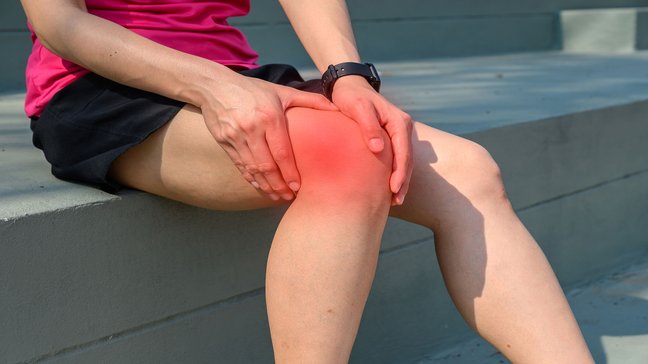
The tractus syndrome, also known as iliotibial band syndrome (ITBS), is a common overuse injury where the iliotibial band (tractus iliotibialis) becomes irritated due to repeated mechanical friction. This friction usually occurs in the area of the…

Bursitis (trochanteric bursitis)
Trochanteric bursitis, also known as hip bursitis, is a painful inflammation of the trochanteric bursa, located at the outer bony prominence of the femur (greater trochanter). This bursa reduces friction between the muscles and tendons that run over…

Loose bodies
Loose bodies, also known as joint mice or corpora libera, are freely movable structures in the joint cavity that consist of cartilage, bone, or soft tissue. They usually arise from injuries, degenerative processes, or inflammatory diseases and can…
Hip joint inflammation (Coxitis)
Classification of Hip Joint Inflammations
Inflammations of the hip joint are categorized according to cause and progression as follows:
1. Infectious Coxitis:
- Bacterial, viral, or rarely fungal infections that directly enter the joint.
2. Rheumatic Coxitis:
- Inflammation due to autoimmune diseases such as rheumatoid arthritis or ankylosing spondylitis.
3. Reactive Coxitis:
- Inflammatory reaction following infections in other parts of the body, e.g., after a gastrointestinal infection.
4. Degenerative Coxitis:
- Inflammations caused by advanced osteoarthritis or overuse of the joint.
Causes of hip joint inflammation
The causes of hip joint inflammation are diverse and include:
- Infectious causes:
- Bacteria such as Staphylococcus aureus or streptococci enter the joint through the bloodstream, injuries, or surgical procedures.
- Viral infections, e.g., caused by Coxsackie viruses, can also inflame the hip joint.
- Rheumatic diseases:
- Rheumatoid arthritis, lupus erythematosus, or ankylosing spondylitis lead to chronic inflammation in the hip joint.
- Mechanical overload:
- Excessive strain on the joint, e.g., from sports or overweight, can trigger an inflammatory reaction.
- Reactive causes:
- Infections such as urinary tract infections or gastrointestinal infections lead to secondary hip inflammation through immunological processes.
- Traumatic causes:
- Injuries to the hip joint, such as bruises or fractures, promote inflammation.
Symptoms of hip joint inflammation
The symptoms of a hip joint inflammation vary depending on the cause and severity:
- Pain:
- Typically, there is pain in the groin area, which can radiate to the thigh or buttocks.
- Movement restrictions:
- Difficulties in walking, bending, or rotating the leg.
- Swelling and warmth:
- Visible swelling and overheating in the hip joint area, especially in infectious coxitis.
- Fever:
- Accompanying fever often occurs with infectious inflammations.
- Protective posture:
- Affected individuals often adopt a protective posture to avoid pain.
- Chronic complaints:
- In rheumatic causes, symptoms occur in episodes and can persist permanently.
Diagnosis of hip joint inflammation
The diagnosis of hip joint inflammation is based on medical history, clinical examination, and imaging techniques:
- Medical history:
- Collection of medical history, possible infections, or pre-existing conditions.
- Clinical examination:
- Checking for pain points, mobility, and signs of inflammation.
- Imaging techniques:
- X-ray: To assess joint changes or osteoarthritis.
- Ultrasound: Visualization of joint effusions and soft tissue changes.
- MRI: Precise examination of the joint in case of unclear diagnosis.
- Laboratory diagnostics:
- Blood tests for inflammation markers (CRP, ESR) and infectious agents.
- Joint puncture to analyze joint fluid in suspected infectious coxitis.
Treatment options for hip joint inflammation
Conservative Therapy
Most hip joint inflammations can be treated without surgery:
- Antibiotics:
- For bacterial infections to combat the pathogens.
- Pain and anti-inflammatory medication:
- Non-steroidal anti-inflammatory drugs (NSAIDs) like ibuprofen to relieve pain and inflammation.
- Physiotherapy:
- Mobilizing and stabilizing exercises to improve joint function.
- Cold or heat applications:
- Cooling for acute inflammation or heat to relax tense muscles.
- Immobilization:
- Short-term relief of the hip joint using walking aids or splints.
Surgical Therapy
In severe or therapy-resistant cases, surgical intervention may be necessary:
- Arthroscopic joint lavage:
- Removal of inflamed tissue or joint effusions.
- Joint prosthesis:
- Replacement of the hip joint in cases of irreparable damage due to osteoarthritis or infections.
Preventive measures for hip joint inflammation
To prevent hip joint inflammations, the following measures are recommended:
- Early detection of infections: Treatment of infections in the body before they can spread to the joint.
- Weight reduction: Relieving the hip joint through weight management.
- Regular exercise: Promoting joint health through joint-friendly sports such as swimming or cycling.
- Ergonomic posture: Avoiding poor posture and overloading in everyday life.
- Education and prevention: Regular medical check-ups for known underlying conditions such as rheumatism.
Iliopsoas shortening
The iliopsoas shortening describes a shortening of the iliopsoas muscle, which consists of the psoas major muscle and the iliacus muscle. This muscle complex is the main flexor of the hip joint and plays an important role in stabilizing the spine. A…
Tract syndrome
The tractus syndrome, also known as iliotibial band syndrome (ITBS), is a common overuse injury where the iliotibial band (tractus iliotibialis) becomes irritated due to repeated mechanical friction. This friction usually occurs in the area of the…
Bursitis (trochanteric bursitis)
Trochanteric bursitis, also known as hip bursitis, is a painful inflammation of the trochanteric bursa, located at the outer bony prominence of the femur (greater trochanter). This bursa reduces friction between the muscles and tendons that run over…
Loose bodies
Loose bodies, also known as joint mice or corpora libera, are freely movable structures in the joint cavity that consist of cartilage, bone, or soft tissue. They usually arise from injuries, degenerative processes, or inflammatory diseases and can…