

Heel pain
Classification of Heel Pain
Heel pain can be classified based on its location and cause:
- Plantar heel pain: Pain on the underside of the heel, usually associated with the plantar fascia.
- Dorsal heel pain: Pain on the back of the heel, often in the area of the Achilles tendon.
- Medial or lateral heel pain: Pain on the inner or outer side of the heel, often caused by nerve or soft tissue changes.
Causes of heel pain
The main causes of heel pain are diverse and include:
- Plantar fasciitis:
- One of the most common causes of heel pain, where the plantar fascia is inflamed. This often occurs due to overuse, prolonged standing, or intense running.
- Heel spur:
- A bony growth on the heel bone caused by repeated tension on the plantar fascia, which can lead to pain.
- Achillodynia:
- Pain in the area of the Achilles tendon, often caused by overuse, degenerative changes, or inflammation.
- Bursitis:
- Inflammation of a bursa near the heel bone, often due to pressure or overuse.
- Stress fractures:
- Small cracks in the heel bone that occur due to repeated stress, such as in runners or hikers.
- Nerve compression:
- In tarsal tunnel syndrome, the posterior tibial nerve is compressed, which can lead to sharp pain or tingling in the heel.
- Systemic diseases:
- Diseases such as rheumatoid arthritis, gout, or diabetes mellitus can trigger secondary heel pain.
Symptoms of heel pain
The symptoms vary depending on the cause, but often include:
- **Pain when walking or standing:**
- Often sharp or burning, especially after long periods of rest or in the morning.
- **Local swelling:**
- Often accompanied by redness and warmth in the affected area.
- **Tenderness:**
- Pain that increases with pressure on the heel, especially in plantar fasciitis or heel spurs.
- **Movement restrictions:**
- Difficulty with normal walking or rolling of the foot.
- **Radiating pain:**
- Occasionally, the pain extends into the foot or ankle.
Diagnosis of heel pain
The diagnosis is made through a combination of medical history, clinical examination, and imaging techniques:
- **Medical History:**
- The doctor inquires about the course of the pain, possible triggers, and existing preconditions.
- **Physical Examination:**
- Palpation of the heel, assessment of mobility and pain sensitivity.
- **Imaging Techniques:**
- **X-ray:** Visualization of bony changes, such as a heel spur or a stress fracture.
- **MRI:** Detailed visualization of soft tissues and inflammatory processes, as in plantar fasciitis.
- **Ultrasound:** For the assessment of bursae or the Achilles tendon.
Treatment options for heel pain
Conservative Therapy
Most heel pain can be treated with conservative measures:
- Immobilization and Load Reduction:
- Avoidance of intense activities and resting the heel.
- Physiotherapy:
- Exercises for stretching and strengthening the plantar fascia and Achilles tendon.
- Manual therapy to relieve tension.
- Pain Medication:
- Taking anti-inflammatory medications like ibuprofen to relieve acute symptoms.
- Orthopedic Aids:
- Use of shoe inserts or heel cushions to relieve the affected area.
- Local Applications:
- Cooling to reduce swelling or heat applications to promote circulation.
Surgical Therapy
Surgery is only considered in severe or chronic cases:
- Fasciotomy: Surgical cutting of the plantar fascia to relieve pressure.
- Removal of a Heel Spur: In cases of persistent pain despite conservative measures.
- Repair of the Achilles Tendon: In cases of tears or severe degenerative changes.
Preventive measures for heel pain
To prevent heel pain, the following measures are recommended:
- Appropriate footwear: Use shoes with good cushioning and a stable sole.
- Regular exercise: Strengthen the foot muscles through targeted exercises.
- Stretching exercises: Regularly stretch the plantar fascia and calf muscles, especially for physically active individuals.
- Avoid overloading: Limit intense physical activities and gradually increase training intensity.
- Weight management: Reduce excess weight to relieve the feet.
- Early treatment: Immediate clarification at the first signs of pain or discomfort.
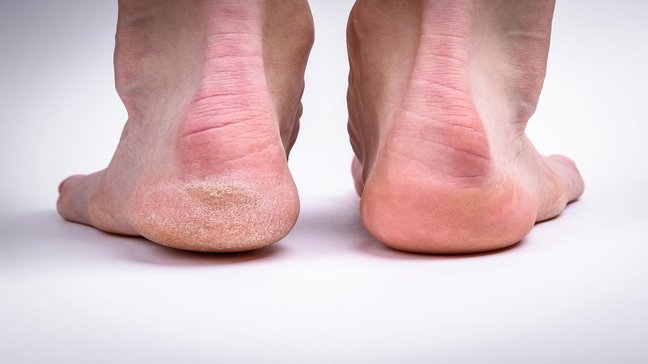
Haglund's heel (Haglund deformity)
The Haglund heel, also known as Haglund's exostosis or Haglund's syndrome, is a bony protrusion at the upper rear edge of the heel bone (calcaneus). This deformity often leads to pain and inflammation in the area of the Achilles tendon and the…
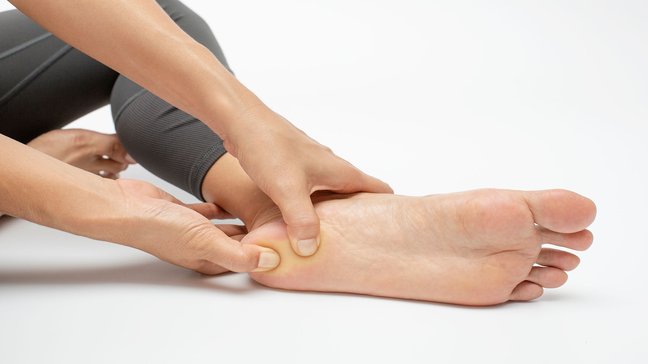
Heelspoor en fasciitis plantaris
Heel spurs and plantar fasciitis are closely related conditions that are often the cause of heel pain. While a heel spur is a bony change in the heel bone, plantar fasciitis is an inflammatory condition of the plantar fascia, an important tendon…

Fallen/Spread Foot
The flat/splayfoot is a common foot deformity characterized by a flattening of the longitudinal arch (flatfoot) and/or a widening of the forefoot due to a lowered transverse arch (splayfoot). These deformities often occur together and can lead to…
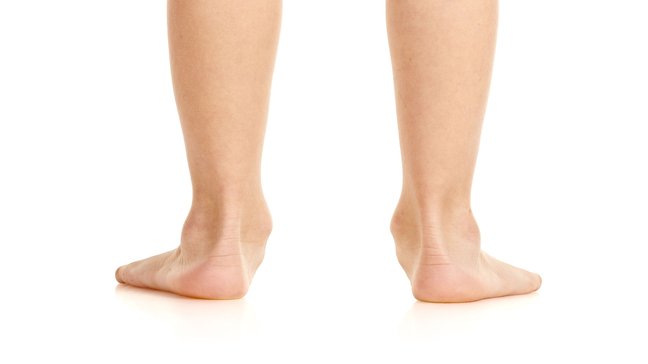
Knick-sink-foot
The flat-valgus foot (pes planovalgus) is a common foot deformity in which the longitudinal arch of the foot is flattened (flatfoot), and the heel tilts inward (valgus foot). This deformity can occur in both children and adults. While it is often…
Heel pain
Classification of Heel Pain
Heel pain can be classified based on its location and cause:
- Plantar heel pain: Pain on the underside of the heel, usually associated with the plantar fascia.
- Dorsal heel pain: Pain on the back of the heel, often in the area of the Achilles tendon.
- Medial or lateral heel pain: Pain on the inner or outer side of the heel, often caused by nerve or soft tissue changes.
Causes of heel pain
The main causes of heel pain are diverse and include:
- Plantar fasciitis:
- One of the most common causes of heel pain, where the plantar fascia is inflamed. This often occurs due to overuse, prolonged standing, or intense running.
- Heel spur:
- A bony growth on the heel bone caused by repeated tension on the plantar fascia, which can lead to pain.
- Achillodynia:
- Pain in the area of the Achilles tendon, often caused by overuse, degenerative changes, or inflammation.
- Bursitis:
- Inflammation of a bursa near the heel bone, often due to pressure or overuse.
- Stress fractures:
- Small cracks in the heel bone that occur due to repeated stress, such as in runners or hikers.
- Nerve compression:
- In tarsal tunnel syndrome, the posterior tibial nerve is compressed, which can lead to sharp pain or tingling in the heel.
- Systemic diseases:
- Diseases such as rheumatoid arthritis, gout, or diabetes mellitus can trigger secondary heel pain.
Symptoms of heel pain
The symptoms vary depending on the cause, but often include:
- **Pain when walking or standing:**
- Often sharp or burning, especially after long periods of rest or in the morning.
- **Local swelling:**
- Often accompanied by redness and warmth in the affected area.
- **Tenderness:**
- Pain that increases with pressure on the heel, especially in plantar fasciitis or heel spurs.
- **Movement restrictions:**
- Difficulty with normal walking or rolling of the foot.
- **Radiating pain:**
- Occasionally, the pain extends into the foot or ankle.
Diagnosis of heel pain
The diagnosis is made through a combination of medical history, clinical examination, and imaging techniques:
- **Medical History:**
- The doctor inquires about the course of the pain, possible triggers, and existing preconditions.
- **Physical Examination:**
- Palpation of the heel, assessment of mobility and pain sensitivity.
- **Imaging Techniques:**
- **X-ray:** Visualization of bony changes, such as a heel spur or a stress fracture.
- **MRI:** Detailed visualization of soft tissues and inflammatory processes, as in plantar fasciitis.
- **Ultrasound:** For the assessment of bursae or the Achilles tendon.
Treatment options for heel pain
Conservative Therapy
Most heel pain can be treated with conservative measures:
- Immobilization and Load Reduction:
- Avoidance of intense activities and resting the heel.
- Physiotherapy:
- Exercises for stretching and strengthening the plantar fascia and Achilles tendon.
- Manual therapy to relieve tension.
- Pain Medication:
- Taking anti-inflammatory medications like ibuprofen to relieve acute symptoms.
- Orthopedic Aids:
- Use of shoe inserts or heel cushions to relieve the affected area.
- Local Applications:
- Cooling to reduce swelling or heat applications to promote circulation.
Surgical Therapy
Surgery is only considered in severe or chronic cases:
- Fasciotomy: Surgical cutting of the plantar fascia to relieve pressure.
- Removal of a Heel Spur: In cases of persistent pain despite conservative measures.
- Repair of the Achilles Tendon: In cases of tears or severe degenerative changes.
Preventive measures for heel pain
To prevent heel pain, the following measures are recommended:
- Appropriate footwear: Use shoes with good cushioning and a stable sole.
- Regular exercise: Strengthen the foot muscles through targeted exercises.
- Stretching exercises: Regularly stretch the plantar fascia and calf muscles, especially for physically active individuals.
- Avoid overloading: Limit intense physical activities and gradually increase training intensity.
- Weight management: Reduce excess weight to relieve the feet.
- Early treatment: Immediate clarification at the first signs of pain or discomfort.
Haglund's heel (Haglund deformity)
The Haglund heel, also known as Haglund's exostosis or Haglund's syndrome, is a bony protrusion at the upper rear edge of the heel bone (calcaneus). This deformity often leads to pain and inflammation in the area of the Achilles tendon and the…
Heelspoor en fasciitis plantaris
Heel spurs and plantar fasciitis are closely related conditions that are often the cause of heel pain. While a heel spur is a bony change in the heel bone, plantar fasciitis is an inflammatory condition of the plantar fascia, an important tendon…
Fallen/Spread Foot
The flat/splayfoot is a common foot deformity characterized by a flattening of the longitudinal arch (flatfoot) and/or a widening of the forefoot due to a lowered transverse arch (splayfoot). These deformities often occur together and can lead to…
Knick-sink-foot
The flat-valgus foot (pes planovalgus) is a common foot deformity in which the longitudinal arch of the foot is flattened (flatfoot), and the heel tilts inward (valgus foot). This deformity can occur in both children and adults. While it is often…