

Collagenoses
Classification of Collagenoses
Collagenoses can be divided into different subgroups:
1. **Systemic Lupus Erythematosus (SLE):** A systemic disease that can affect the skin, joints, kidneys, and central nervous system.
2. **Scleroderma:** Causes hardening and thickening of the skin as well as changes to internal organs.
3. **Dermatomyositis and Polymyositis:** Autoimmune diseases that cause inflammation of the muscles and, in dermatomyositis, the skin.
4. **Sjögren's Syndrome:** Leads to chronic inflammation of the tear and salivary glands, resulting in symptoms of dryness.
5. **Mixed Connective Tissue Disease (MCTD):** Combination of symptoms of several collagenoses, usually lupus, scleroderma, and polymyositis.
Causes of collagenoses
The exact causes of collagenoses are not yet fully understood, but various factors can contribute to their development:
- Genetic predisposition:
- Certain genetic variants increase the risk of developing autoimmune diseases.
- Hormonal influences:
- Women are more frequently affected, indicating a connection with female sex hormones.
- Infections:
- Viruses or bacteria could activate the immune system and trigger a malfunction.
- Environmental factors:
- UV radiation, pollutants, or certain medications can act as triggers.
- Immune system dysfunction:
- A misregulation of the immune system leads to the formation of autoantibodies that attack connective tissue.
Symptoms of collagenoses
The symptoms vary depending on the type of collagenosis and the affected organ systems, but often include:
- General symptoms: Fatigue, fever, weight loss, and a general feeling of illness.
- Skin changes: Rashes, such as the butterfly rash in lupus, as well as skin hardening or Raynaud's phenomenon.
- Joint complaints: Pain, swelling, and stiffness in the joints, similar to rheumatoid arthritis.
- Muscle weakness: Especially in dermato- and polymyositis, accompanied by pain or inflammation.
- Organ symptoms: Pulmonary fibrosis, kidney inflammation, heart rhythm disturbances, or neurological failures may occur.
- Dryness symptoms: Dryness of the mouth and eyes, especially in Sjögren's syndrome.
Diagnosis of collagenoses
The diagnosis is made through a combination of medical history, clinical examination, and additional tests:
- Medical History:
- Recording of symptoms, family history, and possible triggers.
- Clinical Examination:
- Checking for skin changes, joint swelling, and other specific symptoms.
- Laboratory Tests:
- Autoantibodies: Detection of ANA, Anti-dsDNA, Anti-SM, or other specific antibodies.
- Inflammation Markers: Elevated levels of CRP and ESR.
- Imaging Techniques:
- X-ray: Assessment of joint and bone changes.
- MRI: Visualization of muscle inflammation.
- CT: Examination for organ involvement such as lung fibrosis.
Treatment options for collagenoses
Conservative Therapy
The treatment aims to control inflammation and alleviate symptoms:
- Medication Therapy:
- Corticosteroids: Have anti-inflammatory and immunosuppressive effects.
- Immunosuppressants: Methotrexate, azathioprine, or mycophenolate to control the immune response.
- Biologics: Use of TNF inhibitors or other targeted therapies.
- NSAIDs: To relieve pain and joint symptoms.
- Physiotherapy:
- Exercises to maintain mobility and strengthen muscles.
- Occupational Therapy:
- Adapting daily life to relieve joints and improve quality of life.
Surgical Therapy
In rare cases, surgery may be necessary:
- Surgical removal of inflammatory tissue: In cases of severe local inflammation.
- Organ transplantation: In cases of severe organ failure, e.g., kidney or lung transplantation.
Preventive measures for collagenoses
Since the causes of collagenoses are not fully known, prevention focuses on avoiding triggers and early treatment:
- UV protection: Avoiding strong sunlight, especially in lupus.
- Healthy lifestyle: Balanced diet and regular exercise to strengthen the immune system.
- Stress management: Stress reduction through relaxation exercises and sufficient sleep.
- Regular check-ups: Early detection of symptoms and timely treatment by a specialist.

Tumor in orthopedics
Tumors in orthopedics include benign and malignant neoplasms that can arise in bones, joints, or soft tissues of the musculoskeletal system. These conditions are rare but require careful diagnosis and treatment, as they can have significant impacts…
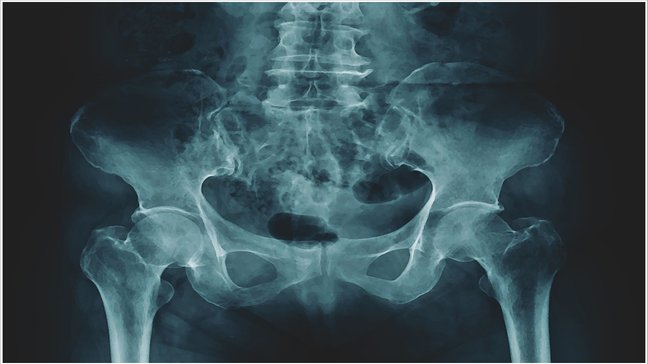
Fibroostoses
Fibroosteoses are benign changes in the bone, characterized by an increased formation of fibrous tissue (fibrosis) and bone (osteosis). They usually appear as local, defined densifications of the bone and can cause pain, functional limitations, or…
Collagenoses
Classification of Collagenoses
Collagenoses can be divided into different subgroups:
1. **Systemic Lupus Erythematosus (SLE):** A systemic disease that can affect the skin, joints, kidneys, and central nervous system.
2. **Scleroderma:** Causes hardening and thickening of the skin as well as changes to internal organs.
3. **Dermatomyositis and Polymyositis:** Autoimmune diseases that cause inflammation of the muscles and, in dermatomyositis, the skin.
4. **Sjögren's Syndrome:** Leads to chronic inflammation of the tear and salivary glands, resulting in symptoms of dryness.
5. **Mixed Connective Tissue Disease (MCTD):** Combination of symptoms of several collagenoses, usually lupus, scleroderma, and polymyositis.
Causes of collagenoses
The exact causes of collagenoses are not yet fully understood, but various factors can contribute to their development:
- Genetic predisposition:
- Certain genetic variants increase the risk of developing autoimmune diseases.
- Hormonal influences:
- Women are more frequently affected, indicating a connection with female sex hormones.
- Infections:
- Viruses or bacteria could activate the immune system and trigger a malfunction.
- Environmental factors:
- UV radiation, pollutants, or certain medications can act as triggers.
- Immune system dysfunction:
- A misregulation of the immune system leads to the formation of autoantibodies that attack connective tissue.
Symptoms of collagenoses
The symptoms vary depending on the type of collagenosis and the affected organ systems, but often include:
- General symptoms: Fatigue, fever, weight loss, and a general feeling of illness.
- Skin changes: Rashes, such as the butterfly rash in lupus, as well as skin hardening or Raynaud's phenomenon.
- Joint complaints: Pain, swelling, and stiffness in the joints, similar to rheumatoid arthritis.
- Muscle weakness: Especially in dermato- and polymyositis, accompanied by pain or inflammation.
- Organ symptoms: Pulmonary fibrosis, kidney inflammation, heart rhythm disturbances, or neurological failures may occur.
- Dryness symptoms: Dryness of the mouth and eyes, especially in Sjögren's syndrome.
Diagnosis of collagenoses
The diagnosis is made through a combination of medical history, clinical examination, and additional tests:
- Medical History:
- Recording of symptoms, family history, and possible triggers.
- Clinical Examination:
- Checking for skin changes, joint swelling, and other specific symptoms.
- Laboratory Tests:
- Autoantibodies: Detection of ANA, Anti-dsDNA, Anti-SM, or other specific antibodies.
- Inflammation Markers: Elevated levels of CRP and ESR.
- Imaging Techniques:
- X-ray: Assessment of joint and bone changes.
- MRI: Visualization of muscle inflammation.
- CT: Examination for organ involvement such as lung fibrosis.
Treatment options for collagenoses
Conservative Therapy
The treatment aims to control inflammation and alleviate symptoms:
- Medication Therapy:
- Corticosteroids: Have anti-inflammatory and immunosuppressive effects.
- Immunosuppressants: Methotrexate, azathioprine, or mycophenolate to control the immune response.
- Biologics: Use of TNF inhibitors or other targeted therapies.
- NSAIDs: To relieve pain and joint symptoms.
- Physiotherapy:
- Exercises to maintain mobility and strengthen muscles.
- Occupational Therapy:
- Adapting daily life to relieve joints and improve quality of life.
Surgical Therapy
In rare cases, surgery may be necessary:
- Surgical removal of inflammatory tissue: In cases of severe local inflammation.
- Organ transplantation: In cases of severe organ failure, e.g., kidney or lung transplantation.
Preventive measures for collagenoses
Since the causes of collagenoses are not fully known, prevention focuses on avoiding triggers and early treatment:
- UV protection: Avoiding strong sunlight, especially in lupus.
- Healthy lifestyle: Balanced diet and regular exercise to strengthen the immune system.
- Stress management: Stress reduction through relaxation exercises and sufficient sleep.
- Regular check-ups: Early detection of symptoms and timely treatment by a specialist.
Tumor in orthopedics
Tumors in orthopedics include benign and malignant neoplasms that can arise in bones, joints, or soft tissues of the musculoskeletal system. These conditions are rare but require careful diagnosis and treatment, as they can have significant impacts…
Fibroostoses
Fibroosteoses are benign changes in the bone, characterized by an increased formation of fibrous tissue (fibrosis) and bone (osteosis). They usually appear as local, defined densifications of the bone and can cause pain, functional limitations, or…