

Bursitis in the knee (Bursitis)
Classification of Knee Bursitis
The knee bursitis is classified according to location, cause, and course:
1. **Prepatellar bursitis:** Inflammation of the bursa in front of the kneecap (common in kneeling activities).
2. **Infrapatellar bursitis:** Inflammation of the bursa below the kneecap, often due to overuse of the patellar tendon.
3. **Pes anserinus bursitis:** Inflammation of the bursa on the inner side of the knee joint, usually due to improper loading or osteoarthritis.
4. **Aseptic bursitis:** Non-infectious inflammation due to overuse or mechanical irritation.
5. **Septic bursitis:** Infectious inflammation caused by bacterial pathogens, accompanied by fever and severe pain.
6. **Traumatic bursitis:** Triggered by bruises, impacts, or chronic pressure on the knee.
Causes of bursitis in the knee
The causes of bursitis in the knee are varied and include mechanical, inflammatory, and infectious factors:
- Mechanical irritation:
- Repeated movements or constant kneeling, as in manual work (“housemaid's knee”).
- Overloading of the knee joint through sports such as running or soccer.
- Traumatic injuries:
- Falls or direct bruises to the knee.
- Inflammatory diseases:
- Accompanying symptoms of rheumatism, gout, or osteoarthritis.
- Infections:
- Penetration of bacteria through open wounds or injections into the bursa.
- Risk factors:
- Overweight, which increases the load on the knee joint.
- Misalignments such as bow legs or knock knees.
Symptoms of bursitis in the knee
The symptoms vary depending on the location and cause of the bursitis, but typically include:
- Swelling: Visible and palpable swelling over the affected bursa.
- Pain: Local pain that is intensified by movement or pressure.
- Redness and warmth: Signs of acute inflammation, especially in septic bursitis.
- Movement limitations: Difficulty bending or straightening the knee.
- General symptoms: Fever and general malaise in infectious bursitis.
Diagnosis of bursitis in the knee
The diagnosis is made through medical history, clinical examination, and supportive procedures:
- Medical history:
- Collection of the duration of the illness, possible triggers such as overuse or injuries, and pre-existing conditions.
- Physical examination:
- Palpation of the knee joint to assess swelling, tenderness, and redness.
- Imaging:
- Ultrasound: Visualization of fluid accumulations and bursitis.
- MRI: Detailed assessment in chronic or complicated cases.
- X-ray: To rule out bone injuries or osteoarthritis.
- Laboratory tests:
- Blood tests to determine inflammation levels or infections.
- Aspiration of the bursa to analyze the fluid if septic bursitis is suspected.
Treatment options for bursitis in the knee
Conservative Therapy
Most bursitis in the knee can be treated without surgical intervention:
- Immobilization and Relief:
- Avoiding stress and using knee pads or braces.
- Medication Therapy:
- NSAIDs: To relieve pain and inflammation.
- Antibiotics for septic bursitis.
- Physiotherapy:
- Exercises to strengthen muscles and improve mobility.
- Manual therapy to relieve the bursa.
- Local Applications:
- Cold therapy for acute inflammation.
- Heat applications for chronic complaints.
- Aspiration: Draining excess fluid from the bursa.
Surgical Therapy
In case of persistent complaints or complications, surgery may be necessary:
- Bursectomy: Surgical removal of the inflamed bursa in recurrent inflammations.
- Debridement: Cleaning of infected or necrotic tissue.
- Corrective Surgery: For underlying misalignments or osteoarthritis.
Preventive measures for bursitis in the knee
To prevent and alleviate symptoms of knee bursitis, the following measures are recommended:
- Pressure relief: Use of pads or knee pads during kneeling activities.
- Ergonomic load: Avoidance of unilateral or excessive strain on the knee.
- Regular exercise: Promotion of flexibility and stability of the knee joint through targeted training.
- Healthy lifestyle: Weight reduction to relieve the joints and treatment of underlying inflammatory conditions.
- Early treatment: At the first signs of swelling or pain, a doctor should be consulted in a timely manner.
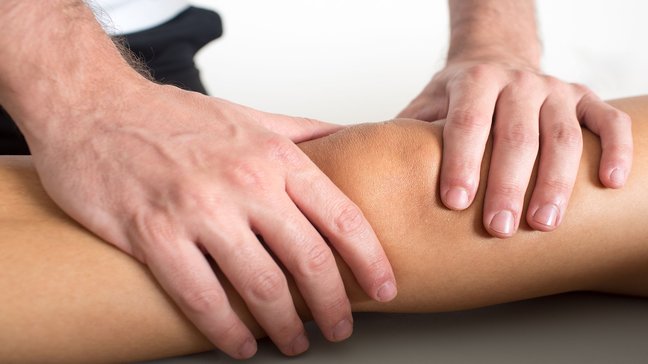
Bone necrosis (Ahlbäck's disease)
Bone necrosis, medically referred to as osteonecrosis, describes the death of bone tissue due to disrupted blood supply. The condition can occur in any bone of the body, but often affects joint areas such as the hip, knee, or shoulder. Without…
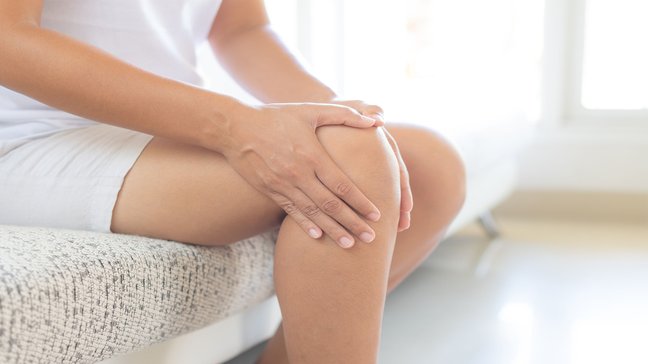
Kneecap osteoarthritis (retropatellar osteoarthritis)
Patellar osteoarthritis, medically referred to as retropatellar osteoarthritis, is a specific form of osteoarthritis where the cartilage on the back of the kneecap (patella) is worn down. This condition leads to pain and movement restrictions in the…
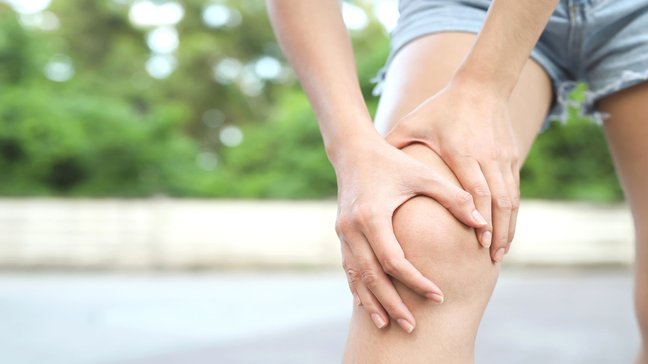
Medial collateral ligament tear
An inner ligament tear, medically referred to as a rupture of the medial collateral ligament (MCL), is a common knee injury. The inner ligament stabilizes the inside of the knee and protects the joint from bending inward (valgus stress). This injury…
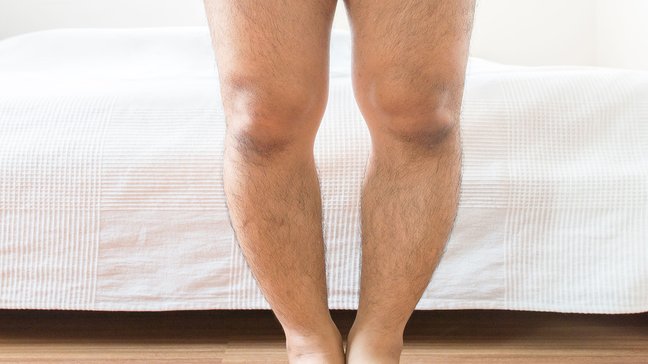
Leg misalignments: knock-knee and bow-leg
X-legs (genu valgum) and O-legs (genu varum) are misalignments of the leg axis that can lead to uneven stress on the joints. These misalignments primarily affect the knee joint and can cause long-term pain, wear and tear, and restricted mobility.
Bursitis in the knee (Bursitis)
Classification of Knee Bursitis
The knee bursitis is classified according to location, cause, and course:
1. **Prepatellar bursitis:** Inflammation of the bursa in front of the kneecap (common in kneeling activities).
2. **Infrapatellar bursitis:** Inflammation of the bursa below the kneecap, often due to overuse of the patellar tendon.
3. **Pes anserinus bursitis:** Inflammation of the bursa on the inner side of the knee joint, usually due to improper loading or osteoarthritis.
4. **Aseptic bursitis:** Non-infectious inflammation due to overuse or mechanical irritation.
5. **Septic bursitis:** Infectious inflammation caused by bacterial pathogens, accompanied by fever and severe pain.
6. **Traumatic bursitis:** Triggered by bruises, impacts, or chronic pressure on the knee.
Causes of bursitis in the knee
The causes of bursitis in the knee are varied and include mechanical, inflammatory, and infectious factors:
- Mechanical irritation:
- Repeated movements or constant kneeling, as in manual work (“housemaid's knee”).
- Overloading of the knee joint through sports such as running or soccer.
- Traumatic injuries:
- Falls or direct bruises to the knee.
- Inflammatory diseases:
- Accompanying symptoms of rheumatism, gout, or osteoarthritis.
- Infections:
- Penetration of bacteria through open wounds or injections into the bursa.
- Risk factors:
- Overweight, which increases the load on the knee joint.
- Misalignments such as bow legs or knock knees.
Symptoms of bursitis in the knee
The symptoms vary depending on the location and cause of the bursitis, but typically include:
- Swelling: Visible and palpable swelling over the affected bursa.
- Pain: Local pain that is intensified by movement or pressure.
- Redness and warmth: Signs of acute inflammation, especially in septic bursitis.
- Movement limitations: Difficulty bending or straightening the knee.
- General symptoms: Fever and general malaise in infectious bursitis.
Diagnosis of bursitis in the knee
The diagnosis is made through medical history, clinical examination, and supportive procedures:
- Medical history:
- Collection of the duration of the illness, possible triggers such as overuse or injuries, and pre-existing conditions.
- Physical examination:
- Palpation of the knee joint to assess swelling, tenderness, and redness.
- Imaging:
- Ultrasound: Visualization of fluid accumulations and bursitis.
- MRI: Detailed assessment in chronic or complicated cases.
- X-ray: To rule out bone injuries or osteoarthritis.
- Laboratory tests:
- Blood tests to determine inflammation levels or infections.
- Aspiration of the bursa to analyze the fluid if septic bursitis is suspected.
Treatment options for bursitis in the knee
Conservative Therapy
Most bursitis in the knee can be treated without surgical intervention:
- Immobilization and Relief:
- Avoiding stress and using knee pads or braces.
- Medication Therapy:
- NSAIDs: To relieve pain and inflammation.
- Antibiotics for septic bursitis.
- Physiotherapy:
- Exercises to strengthen muscles and improve mobility.
- Manual therapy to relieve the bursa.
- Local Applications:
- Cold therapy for acute inflammation.
- Heat applications for chronic complaints.
- Aspiration: Draining excess fluid from the bursa.
Surgical Therapy
In case of persistent complaints or complications, surgery may be necessary:
- Bursectomy: Surgical removal of the inflamed bursa in recurrent inflammations.
- Debridement: Cleaning of infected or necrotic tissue.
- Corrective Surgery: For underlying misalignments or osteoarthritis.
Preventive measures for bursitis in the knee
To prevent and alleviate symptoms of knee bursitis, the following measures are recommended:
- Pressure relief: Use of pads or knee pads during kneeling activities.
- Ergonomic load: Avoidance of unilateral or excessive strain on the knee.
- Regular exercise: Promotion of flexibility and stability of the knee joint through targeted training.
- Healthy lifestyle: Weight reduction to relieve the joints and treatment of underlying inflammatory conditions.
- Early treatment: At the first signs of swelling or pain, a doctor should be consulted in a timely manner.
Bone necrosis (Ahlbäck's disease)
Bone necrosis, medically referred to as osteonecrosis, describes the death of bone tissue due to disrupted blood supply. The condition can occur in any bone of the body, but often affects joint areas such as the hip, knee, or shoulder. Without…
Kneecap osteoarthritis (retropatellar osteoarthritis)
Patellar osteoarthritis, medically referred to as retropatellar osteoarthritis, is a specific form of osteoarthritis where the cartilage on the back of the kneecap (patella) is worn down. This condition leads to pain and movement restrictions in the…
Medial collateral ligament tear
An inner ligament tear, medically referred to as a rupture of the medial collateral ligament (MCL), is a common knee injury. The inner ligament stabilizes the inside of the knee and protects the joint from bending inward (valgus stress). This injury…
Leg misalignments: knock-knee and bow-leg
X-legs (genu valgum) and O-legs (genu varum) are misalignments of the leg axis that can lead to uneven stress on the joints. These misalignments primarily affect the knee joint and can cause long-term pain, wear and tear, and restricted mobility.