

Biomechanical analysis with the MediMouse
When is the biomechanical analysis with the MediMouse applied?
The biomechanical analysis with the MediMouse is applied for various complaints and for general health promotion, including:
- Back pain and neck pain
- Posture problems
- Scoliosis and other spinal deformities
- Herniated discs
- Spinal injuries
- Chronic pain
- Preventive health examinations
Advantages of biomechanical analysis with the MediMouse
- Precise diagnostics: Provides accurate measurement data on the shape and mobility of the spine.
- Non-invasive: The examination is performed without radiation exposure and is painless.
- Fast results: The analysis can be conducted and evaluated in a short time.
- Individually tailored: Supports the development of customized therapy plans.
Conducting the biomechanical analysis with the MediMouse.
- Examination: The patient stands or lies in a relaxed position while the doctor guides the MediMouse along the spine.
- Measurement: The MediMouse precisely captures data on the shape and mobility of the spine. Measurements are taken at various points along the spine to obtain a complete picture.
- Analysis: The collected data is evaluated using computer support and presented in the form of graphs and diagrams.
- Duration of the examination: A session usually lasts between 15 and 30 minutes.
- Individual therapy plan: The results of the analysis are then incorporated into a patient-specific therapy plan, including exercise instructions, which is given to the patient.
What you need to consider before the biomechanical analysis with the MediMouse.
- Health issues: Inform the doctor about existing health problems, especially spinal injuries or recent surgeries.
- Medications: Inform the doctor about any medications you are taking that could affect spinal mobility.
- Preparation: No special preparations are required, but comfortable clothing that allows access to the spine is helpful.
Debriefing and Consultation
After the biomechanical analysis with the MediMouse, the doctor will discuss the results and your reaction to the examination. The doctor will assess whether further examinations or treatments are necessary. Additional recommendations may include physiotherapeutic measures, specific exercises, or adjustments in daily life to improve posture and mobility of the spine.
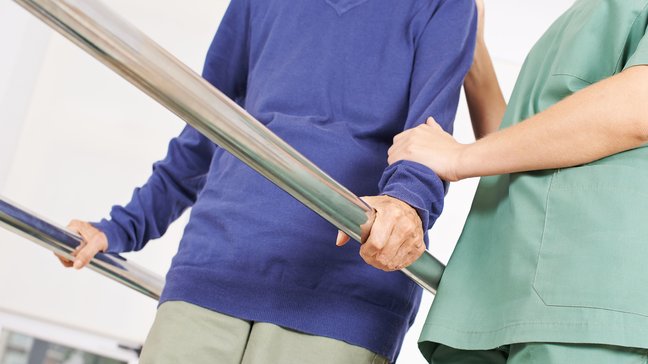
Functional Movement Therapy
Functional movement therapy is a holistic method aimed at improving mobility and body functionality. Through specific exercises and movement patterns, natural movements are trained to strengthen muscles, improve joint mobility, and facilitate…

Posture training
Posture training is a preventive and therapeutic measure aimed at improving body posture and preventing or correcting postural damage. Through specific exercises and awareness exercises, individuals learn to optimize their body posture in everyday…
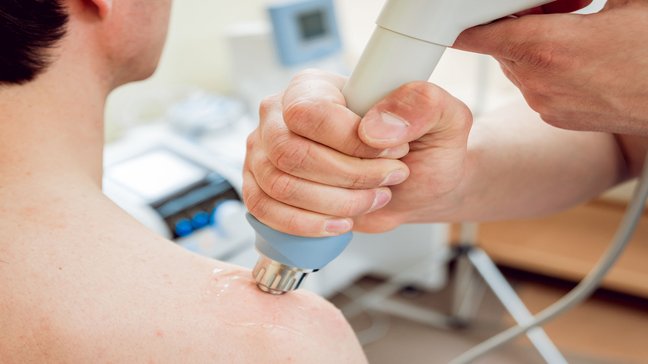
Shock wave therapy
Shock wave therapy is a non-invasive treatment method in which high-energy sound waves (shock waves) are directed at the affected tissue to relieve pain and promote healing. This method is often used in orthopedics and sports medicine to treat…
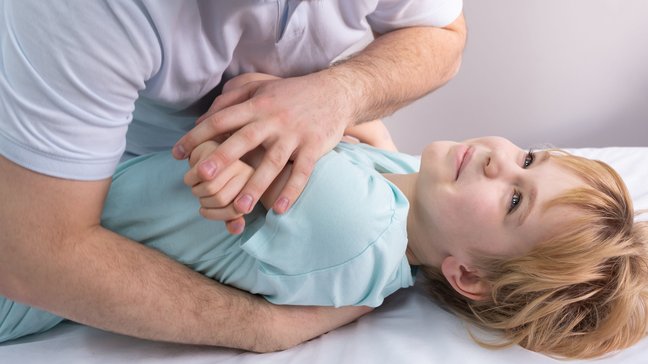
Pediatric orthopedics
Pediatric orthopedics is a specialized area of orthopedics that deals with the diagnosis, treatment, and prevention of diseases and deformities of the musculoskeletal system in children and adolescents. This discipline takes into account the special…
Biomechanical analysis with the MediMouse
When is the biomechanical analysis with the MediMouse applied?
The biomechanical analysis with the MediMouse is applied for various complaints and for general health promotion, including:
- Back pain and neck pain
- Posture problems
- Scoliosis and other spinal deformities
- Herniated discs
- Spinal injuries
- Chronic pain
- Preventive health examinations
Advantages of biomechanical analysis with the MediMouse
- Precise diagnostics: Provides accurate measurement data on the shape and mobility of the spine.
- Non-invasive: The examination is performed without radiation exposure and is painless.
- Fast results: The analysis can be conducted and evaluated in a short time.
- Individually tailored: Supports the development of customized therapy plans.
Conducting the biomechanical analysis with the MediMouse.
- Examination: The patient stands or lies in a relaxed position while the doctor guides the MediMouse along the spine.
- Measurement: The MediMouse precisely captures data on the shape and mobility of the spine. Measurements are taken at various points along the spine to obtain a complete picture.
- Analysis: The collected data is evaluated using computer support and presented in the form of graphs and diagrams.
- Duration of the examination: A session usually lasts between 15 and 30 minutes.
- Individual therapy plan: The results of the analysis are then incorporated into a patient-specific therapy plan, including exercise instructions, which is given to the patient.
What you need to consider before the biomechanical analysis with the MediMouse.
- Health issues: Inform the doctor about existing health problems, especially spinal injuries or recent surgeries.
- Medications: Inform the doctor about any medications you are taking that could affect spinal mobility.
- Preparation: No special preparations are required, but comfortable clothing that allows access to the spine is helpful.
Debriefing and Consultation
After the biomechanical analysis with the MediMouse, the doctor will discuss the results and your reaction to the examination. The doctor will assess whether further examinations or treatments are necessary. Additional recommendations may include physiotherapeutic measures, specific exercises, or adjustments in daily life to improve posture and mobility of the spine.
Functional Movement Therapy
Functional movement therapy is a holistic method aimed at improving mobility and body functionality. Through specific exercises and movement patterns, natural movements are trained to strengthen muscles, improve joint mobility, and facilitate…
Posture training
Posture training is a preventive and therapeutic measure aimed at improving body posture and preventing or correcting postural damage. Through specific exercises and awareness exercises, individuals learn to optimize their body posture in everyday…
Shock wave therapy
Shock wave therapy is a non-invasive treatment method in which high-energy sound waves (shock waves) are directed at the affected tissue to relieve pain and promote healing. This method is often used in orthopedics and sports medicine to treat…
Pediatric orthopedics
Pediatric orthopedics is a specialized area of orthopedics that deals with the diagnosis, treatment, and prevention of diseases and deformities of the musculoskeletal system in children and adolescents. This discipline takes into account the special…