

Alexander Technique
When is the Alexander Technique applied?
The Alexander Technique is often applied in the following areas:
- Chronic back pain and neck tension: The technique helps to gently correct posture and release excessive muscular tension, which can reduce pain in the back and neck.
- Voice and breathing problems: By relaxing the neck and chest, breathing quality and vocal power improve, which is particularly beneficial for singers and speakers.
- Muscle tension in musicians and performers: The Alexander Technique allows musicians and artists to perform with less physical effort and more freedom by reducing unwanted tension and improving movement coordination.
- Stress reduction and general relaxation: The technique promotes awareness of physical tension and teaches sustainable relaxation, leading to better mental and physical balance.
Advantages of the Alexander Technique
- Avoidance of Overstrain and Injuries: By training body awareness, participants learn to avoid excessive tension, which reduces the risk of injuries.
- Optimization of Posture: The technique promotes a natural posture that balances the body and prevents tension.
- Fewer Side Effects than Painkillers: The Alexander Technique is non-invasive and has no side effects, making it a valuable alternative to medication.
- Better Movement Coordination and Performance: Especially for artists and athletes, the technique is useful for making their movements more efficient and enhancing their performance.
- Individualized Adaptation: Each application of the technique is tailored to individual needs, so the specific complaints of the patient are addressed directly.
Procedures and Methods of the Alexander Technique
The technique involves a combination of verbal instruction and gentle manual guidance by the teacher. Exercises such as conscious sitting, standing, and walking help participants recognize and change harmful movement habits. Basic principles like "inhibition" (the conscious pausing before a movement) and "direction" (aligning the body into a relaxed, coordinated posture) support the learning process. Depending on the need, the technique is carried out in a series of sessions to bring about sustainable change.
Recommendations before and after the treatment
Before the training, participants should indicate their general health complaints and any movement restrictions. During the session, comfortable clothing should be worn to allow free movement. After the treatment, the teacher may recommend specific exercises for self-application to support the long-term integration of the technique.
Case Studies from Practice
- Musicians with chronic tension: Musicians who work with the Alexander Technique report an improvement in their playing abilities and less tension, leading to better performance quality.
- Office workers with back problems: Many users of the Alexander Technique have been able to improve their posture at work and reduce back problems through regular sessions.
- Performers and speakers: Actors and singers experience an improvement in their voice quality and breath control, enhancing their artistic expressiveness.
Side effects and risks
The Alexander Technique is considered safe and has no known side effects. However, it requires commitment and continuous practice to achieve the desired results. There are hardly any risks, as the technique is based on mindful movements and does not involve invasive methods.
Dear patient!
Unfortunately, we are not currently offering therapy for this condition at our center. However, we warmly invite you to schedule an appointment so that we can assess your situation individually. Often, different therapeutic approaches are suitable for a specific situation. We will be happy to recommend, if necessary, a specialist physician or an appropriate center that can alternatively assist you directly.
Schedule an appointment
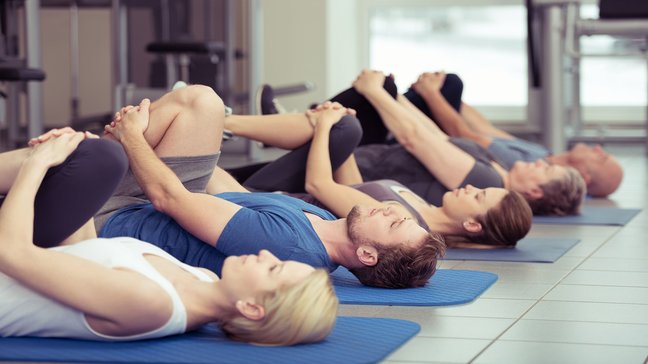
Feldenkrais Method
The Feldenkrais Method is a holistic movement therapy aimed at improving body awareness and promoting more efficient movement patterns. It was developed by Moshé Feldenkrais and is based on the idea that conscious movement and learning can activate…
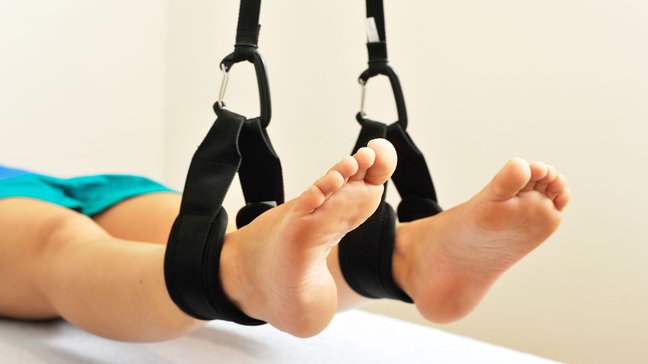
Suspension table therapy
The sling table therapy is a physiotherapeutic treatment method used for the relief and mobilization of the musculoskeletal system. With the help of a special device, the sling table, various body parts are suspended in slings to partially or…
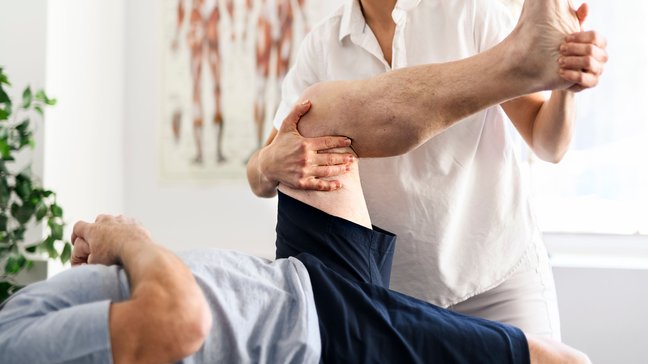
Proprioceptive Neuromuscular Facilitation (PNF)
Proprioceptive Neuromuscular Facilitation (PNF) is a therapeutic method aimed at improving the movement and functional ability of muscles and joints through targeted exercises. This technique utilizes the body's natural reflexes and neuromuscular…
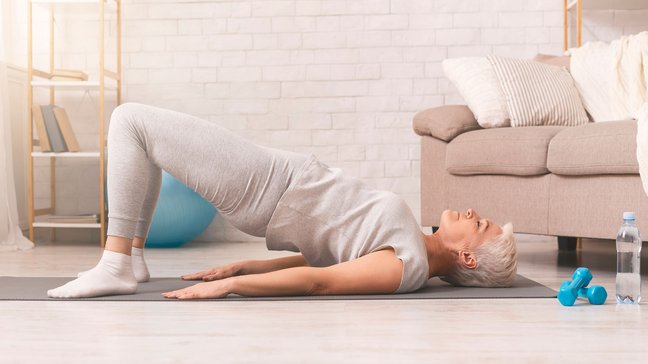
Back training
Back training is a preventive and therapeutic measure aimed at preventing and treating back pain. This method includes specific exercises, posture and movement instructions, as well as ergonomic advice to strengthen the back muscles, improve posture,…
Alexander Technique
When is the Alexander Technique applied?
The Alexander Technique is often applied in the following areas:
- Chronic back pain and neck tension: The technique helps to gently correct posture and release excessive muscular tension, which can reduce pain in the back and neck.
- Voice and breathing problems: By relaxing the neck and chest, breathing quality and vocal power improve, which is particularly beneficial for singers and speakers.
- Muscle tension in musicians and performers: The Alexander Technique allows musicians and artists to perform with less physical effort and more freedom by reducing unwanted tension and improving movement coordination.
- Stress reduction and general relaxation: The technique promotes awareness of physical tension and teaches sustainable relaxation, leading to better mental and physical balance.
Advantages of the Alexander Technique
- Avoidance of Overstrain and Injuries: By training body awareness, participants learn to avoid excessive tension, which reduces the risk of injuries.
- Optimization of Posture: The technique promotes a natural posture that balances the body and prevents tension.
- Fewer Side Effects than Painkillers: The Alexander Technique is non-invasive and has no side effects, making it a valuable alternative to medication.
- Better Movement Coordination and Performance: Especially for artists and athletes, the technique is useful for making their movements more efficient and enhancing their performance.
- Individualized Adaptation: Each application of the technique is tailored to individual needs, so the specific complaints of the patient are addressed directly.
Procedures and Methods of the Alexander Technique
The technique involves a combination of verbal instruction and gentle manual guidance by the teacher. Exercises such as conscious sitting, standing, and walking help participants recognize and change harmful movement habits. Basic principles like "inhibition" (the conscious pausing before a movement) and "direction" (aligning the body into a relaxed, coordinated posture) support the learning process. Depending on the need, the technique is carried out in a series of sessions to bring about sustainable change.
Recommendations before and after the treatment
Before the training, participants should indicate their general health complaints and any movement restrictions. During the session, comfortable clothing should be worn to allow free movement. After the treatment, the teacher may recommend specific exercises for self-application to support the long-term integration of the technique.
Case Studies from Practice
- Musicians with chronic tension: Musicians who work with the Alexander Technique report an improvement in their playing abilities and less tension, leading to better performance quality.
- Office workers with back problems: Many users of the Alexander Technique have been able to improve their posture at work and reduce back problems through regular sessions.
- Performers and speakers: Actors and singers experience an improvement in their voice quality and breath control, enhancing their artistic expressiveness.
Side effects and risks
The Alexander Technique is considered safe and has no known side effects. However, it requires commitment and continuous practice to achieve the desired results. There are hardly any risks, as the technique is based on mindful movements and does not involve invasive methods.
Dear patient!
Unfortunately, we are not currently offering therapy for this condition at our center. However, we warmly invite you to schedule an appointment so that we can assess your situation individually. Often, different therapeutic approaches are suitable for a specific situation. We will be happy to recommend, if necessary, a specialist physician or an appropriate center that can alternatively assist you directly.
Schedule an appointment
Feldenkrais Method
The Feldenkrais Method is a holistic movement therapy aimed at improving body awareness and promoting more efficient movement patterns. It was developed by Moshé Feldenkrais and is based on the idea that conscious movement and learning can activate…
Suspension table therapy
The sling table therapy is a physiotherapeutic treatment method used for the relief and mobilization of the musculoskeletal system. With the help of a special device, the sling table, various body parts are suspended in slings to partially or…
Proprioceptive Neuromuscular Facilitation (PNF)
Proprioceptive Neuromuscular Facilitation (PNF) is a therapeutic method aimed at improving the movement and functional ability of muscles and joints through targeted exercises. This technique utilizes the body's natural reflexes and neuromuscular…
Back training
Back training is a preventive and therapeutic measure aimed at preventing and treating back pain. This method includes specific exercises, posture and movement instructions, as well as ergonomic advice to strengthen the back muscles, improve posture,…