

Occupational therapy
When is occupational therapy used?
Occupational therapy is used for various conditions and for general health promotion, including:
- Neurological conditions: Stroke, multiple sclerosis, Parkinson's, traumatic brain injury
- Orthopedic and rheumatological conditions: Arthritis, osteoarthritis, fractures, amputations
- Pediatric conditions: Developmental delays, attention deficit hyperactivity disorder (ADHD), autism
- Mental health conditions: Depression, anxiety disorders, schizophrenia
- Geriatric conditions: Dementia, Alzheimer's, age-related movement restrictions
- Hand therapy: Injuries and conditions of the hand and arm
Advantages of occupational therapy
- Improvement of Action Capability: Supports the development and restoration of everyday skills.
- Pain Relief: Reduces pain through targeted exercises and techniques.
- Promotion of Independence: Helps patients maintain or regain their independence in daily life.
- Holistic Approach: Considers the patient as a whole and integrates physical, psychological, and social aspects.
- Adaptation to Individual Needs: Therapy is tailored to the specific needs and goals of the patient.
- Support in the Adaptation of Aids: Advice and adaptation of aids and environmental adjustments to facilitate everyday life.
Conducting occupational therapy.
- Examination: The occupational therapist conducts a thorough medical history and functional assessment to identify the specific needs and goals of the patient.
- Treatment plan: Based on the results of the examination, an individual treatment plan is created.
- Therapy: The therapy may include various methods and techniques, including:
- Activities of daily living (ADL): Training in everyday activities such as dressing, eating, personal hygiene.
- Motor-functional exercises: Improvement of fine and gross motor skills.
- Sensory-motor-perceptual exercises: Promotion of sensory and motor integration.
- Cognitive training: Improvement of attention, memory, and problem-solving skills.
- Consultation and adaptation: Provision of aids and adaptation of the home and work environment.
- Duration of treatment: A session usually lasts between 30 and 60 minutes.
- Frequency of sessions: Depending on the type and severity of the complaints, several sessions per week may be necessary.
What you need to consider before occupational therapy
- Health issues: Inform the occupational therapist about existing health problems, injuries, or limitations.
- Medications: Inform the occupational therapist about any medications you are taking that could affect your physical or mental performance.
- Goals: Consider what goals you want to achieve before the therapy to discuss them with the therapist.
Debriefing and Consultation
After occupational therapy, the occupational therapist will discuss the results and your response to the treatment. The occupational therapist will assess whether further sessions are necessary and how occupational therapy can be integrated into the overall treatment plan. Additional recommendations may include exercises for home, adjustments in daily life, or other therapeutic measures to optimize the results.
Dear patient!
Unfortunately, we are not currently offering therapy for this condition at our center. However, we warmly invite you to schedule an appointment so that we can assess your situation individually. Often, different therapeutic approaches are suitable for a specific situation. We will be happy to recommend, if necessary, a specialist physician or an appropriate center that can alternatively assist you directly.
Schedule an appointment
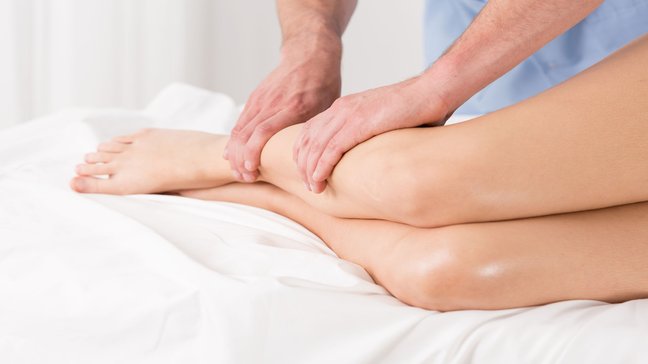
Manual lymphatic drainage
Manual lymph drainage (MLD) is a special form of therapy that stimulates the lymph flow in the body through gentle, rhythmic massage techniques. It is often used to treat lymphedema and to support healing after injuries or surgeries. This technique…

Orthopedic custom-made shoes
Orthopedic custom-made shoes are individually crafted shoes tailored specifically to the needs of the patient. They provide optimal support and relief for people with foot deformities, chronic pain, or other orthopedic issues. Their custom fit…
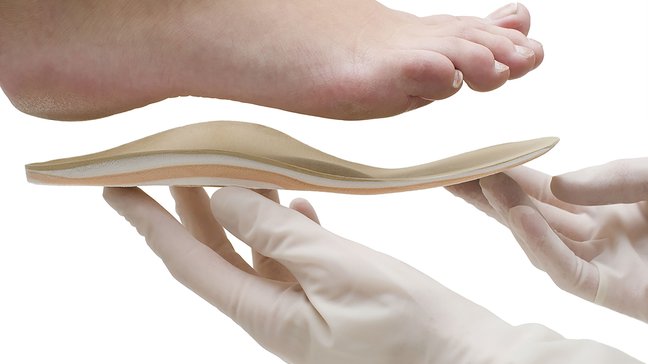
Orthopedic insoles
Orthopedic insoles are specially made or prefabricated shoe inserts that serve to support, relieve, and correct the feet and musculoskeletal system. They play an essential role in the treatment of foot problems, improving posture, and alleviating…
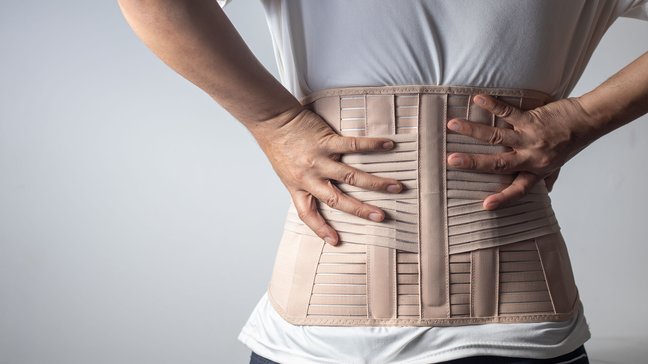
Corset
A corset, also referred to as an orthosis or support corset, is a medical device used to stabilize and support the back and spine. It is often used for the treatment and prevention of back problems and can help alleviate pain and improve mobility.…
Occupational therapy
When is occupational therapy used?
Occupational therapy is used for various conditions and for general health promotion, including:
- Neurological conditions: Stroke, multiple sclerosis, Parkinson's, traumatic brain injury
- Orthopedic and rheumatological conditions: Arthritis, osteoarthritis, fractures, amputations
- Pediatric conditions: Developmental delays, attention deficit hyperactivity disorder (ADHD), autism
- Mental health conditions: Depression, anxiety disorders, schizophrenia
- Geriatric conditions: Dementia, Alzheimer's, age-related movement restrictions
- Hand therapy: Injuries and conditions of the hand and arm
Advantages of occupational therapy
- Improvement of Action Capability: Supports the development and restoration of everyday skills.
- Pain Relief: Reduces pain through targeted exercises and techniques.
- Promotion of Independence: Helps patients maintain or regain their independence in daily life.
- Holistic Approach: Considers the patient as a whole and integrates physical, psychological, and social aspects.
- Adaptation to Individual Needs: Therapy is tailored to the specific needs and goals of the patient.
- Support in the Adaptation of Aids: Advice and adaptation of aids and environmental adjustments to facilitate everyday life.
Conducting occupational therapy.
- Examination: The occupational therapist conducts a thorough medical history and functional assessment to identify the specific needs and goals of the patient.
- Treatment plan: Based on the results of the examination, an individual treatment plan is created.
- Therapy: The therapy may include various methods and techniques, including:
- Activities of daily living (ADL): Training in everyday activities such as dressing, eating, personal hygiene.
- Motor-functional exercises: Improvement of fine and gross motor skills.
- Sensory-motor-perceptual exercises: Promotion of sensory and motor integration.
- Cognitive training: Improvement of attention, memory, and problem-solving skills.
- Consultation and adaptation: Provision of aids and adaptation of the home and work environment.
- Duration of treatment: A session usually lasts between 30 and 60 minutes.
- Frequency of sessions: Depending on the type and severity of the complaints, several sessions per week may be necessary.
What you need to consider before occupational therapy
- Health issues: Inform the occupational therapist about existing health problems, injuries, or limitations.
- Medications: Inform the occupational therapist about any medications you are taking that could affect your physical or mental performance.
- Goals: Consider what goals you want to achieve before the therapy to discuss them with the therapist.
Debriefing and Consultation
After occupational therapy, the occupational therapist will discuss the results and your response to the treatment. The occupational therapist will assess whether further sessions are necessary and how occupational therapy can be integrated into the overall treatment plan. Additional recommendations may include exercises for home, adjustments in daily life, or other therapeutic measures to optimize the results.
Dear patient!
Unfortunately, we are not currently offering therapy for this condition at our center. However, we warmly invite you to schedule an appointment so that we can assess your situation individually. Often, different therapeutic approaches are suitable for a specific situation. We will be happy to recommend, if necessary, a specialist physician or an appropriate center that can alternatively assist you directly.
Schedule an appointment
Manual lymphatic drainage
Manual lymph drainage (MLD) is a special form of therapy that stimulates the lymph flow in the body through gentle, rhythmic massage techniques. It is often used to treat lymphedema and to support healing after injuries or surgeries. This technique…
Orthopedic custom-made shoes
Orthopedic custom-made shoes are individually crafted shoes tailored specifically to the needs of the patient. They provide optimal support and relief for people with foot deformities, chronic pain, or other orthopedic issues. Their custom fit…
Orthopedic insoles
Orthopedic insoles are specially made or prefabricated shoe inserts that serve to support, relieve, and correct the feet and musculoskeletal system. They play an essential role in the treatment of foot problems, improving posture, and alleviating…
Corset
A corset, also referred to as an orthosis or support corset, is a medical device used to stabilize and support the back and spine. It is often used for the treatment and prevention of back problems and can help alleviate pain and improve mobility.…